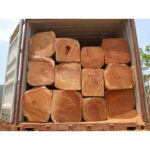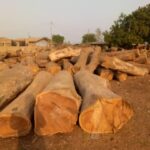
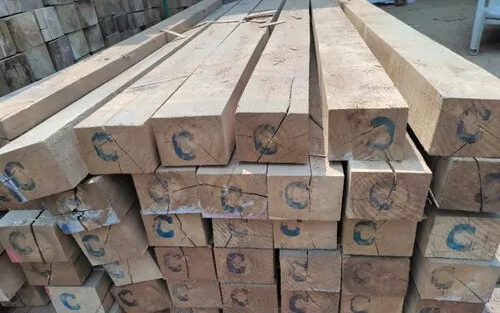
Exporting Teak wood from Nigeria requires strict compliance with forestry regulations, international trade requirements, and destination-country import standards. Proper documentation is essential for proving legal sourcing, facilitating customs clearance, and ensuring smooth shipment movement across borders.
Unfortunately, many timber shipments experience delays due to incomplete paperwork, missing permits, or non-compliance with export regulations. Palmadex helps buyers and importers avoid these challenges through a structured export compliance process.
This checklist outlines the key permits, certifications, inspections, and documents required for exporting Nigerian Teak wood successfully.
1. Verify Legal Timber Sourcing
The first step in export compliance is ensuring that the Teak wood has been sourced legally.
Palmadex works with verified suppliers and approved forestry operations that comply with applicable regulations. Documentation supporting legal harvesting and transportation is maintained throughout the supply chain.
This provides buyers with confidence regarding product origin and regulatory compliance.
2. Obtain Required Forestry Permits
Forestry permits are essential for demonstrating that timber harvesting and movement comply with national regulations.
Depending on the shipment and applicable requirements, permits may be required to support harvesting, transportation, and export activities.
Palmadex coordinates the necessary permit processes before shipment preparation begins.
3. Secure a Phytosanitary Certificate
Many importing countries require a phytosanitary certificate for timber products.
This certificate confirms that the Teak wood has been inspected and is free from pests, diseases, and other harmful organisms that could threaten local ecosystems.
Palmadex obtains phytosanitary certification through the appropriate regulatory authorities before export.
4. Prepare the Certificate of Origin
The Certificate of Origin confirms that the Teak wood originates from Nigeria.
This document is often required for customs clearance and may influence tariff treatment under certain trade agreements.
Palmadex prepares and verifies this document as part of the export documentation package.
5. Conduct Quality and Inspection Procedures
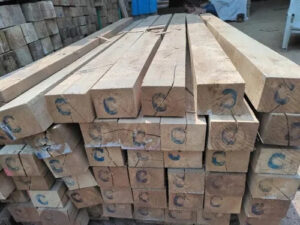
Inspection is an important component of export compliance.
Teak wood shipments are assessed to verify:
- Dimensions
- Grade
- Moisture content
- Product quality
- Packaging condition
Where required, third-party inspection services may also be arranged.
These inspections help ensure compliance with buyer specifications and import requirements.
6. Prepare Commercial Export Documents
Several commercial documents are required for international timber shipments.
These commonly include:
- Commercial Invoice
- Packing List
- Bill of Lading
- Inspection Reports
- Shipping Instructions
Palmadex prepares and reviews these documents carefully to minimize errors that could cause customs delays.
7. Ensure Proper Timber Labeling
Proper labeling supports cargo identification, inventory management, and shipment traceability.
Palmadex ensures that bundles and packages are appropriately marked with relevant shipment information, helping improve handling efficiency throughout the logistics chain.
8. Verify Container Loading Compliance
Cargo loading practices can influence both product protection and customs inspections.
Palmadex supervises container loading to ensure that Teak wood is secured properly and packaged according to export requirements.
This helps reduce transit-related risks and supports efficient cargo handling.
9. Confirm Shipping and Customs Readiness
Before shipment departure, all documents are reviewed and verified.
Palmadex confirms that permits, certificates, shipping documents, and inspection reports are complete and aligned with shipment details.
This final verification reduces the likelihood of customs complications.
10. Maintain Shipment Records
Accurate recordkeeping is essential for future audits, compliance reviews, and shipment traceability.
Palmadex maintains organized records covering sourcing, inspections, certifications, and shipment documentation.
This provides additional transparency and support for international buyers.
Conclusion
Export compliance plays a critical role in successful Teak wood trade. Proper permits, phytosanitary certification, certificates of origin, inspections, and commercial documents help ensure smooth customs clearance and reliable international delivery.
Palmadex manages the compliance process from sourcing through shipment, helping buyers reduce risks and import Nigerian Teak wood efficiently and confidently.
Teak Wood Export Specifications (Typical)
Product: Teak Wood (Logs or Sawn Timber)
Moisture Content: 12–20% (depending on buyer specification)
Dimensions: Customized according to requirements
Grade: Export grade
Defects: Minimal, within accepted tolerance levels
Packaging: Bundled and containerized
Origin: Nigeria
Applications: Furniture, decking, flooring, marine construction, doors, and general construction
Contact Us Today
Emails: [email protected] | [email protected]
Phone/WhatsApp: +2348066579079