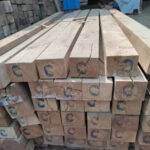
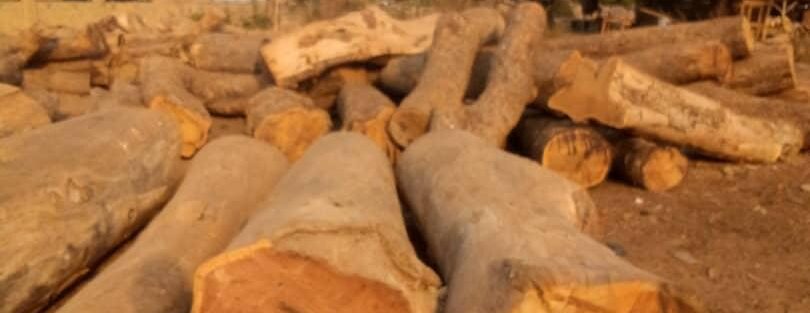
Teak wood is one of the most valuable hardwoods in international markets, prized for its durability, natural oils, weather resistance, and attractive appearance. It is widely used in furniture manufacturing, decking, flooring, marine construction, and premium building projects. However, successful timber procurement requires a structured purchasing process to ensure quality, compliance, and timely delivery.
Many buyers encounter challenges such as unclear specifications, grading inconsistencies, documentation issues, and shipment delays. Palmadex simplifies the buying process through professional sourcing, quality control, and export management.
This importer’s playbook outlines the 10 essential steps for purchasing Teak wood from Nigeria through Palmadex.
Step 1: Submit Your Inquiry
The process begins when the buyer contacts Palmadex with their requirements.
Important details typically include:
- Product type (logs or sawn timber)
- Required dimensions
- Grade specifications
- Moisture requirements
- Quantity needed
- Destination country
- Preferred shipment schedule
Providing detailed information helps ensure accurate quotations and planning.
Step 2: Confirm Product Specifications
Once the inquiry is received, Palmadex provides detailed product specifications.
These may include:
- Dimensions
- Moisture content
- Grade classification
- Packaging format
- Quality standards
Both parties review and confirm specifications before proceeding.
This step helps eliminate misunderstandings later in the transaction.
Step 3: Request Samples or Product Evaluation
Buyers may request samples, photographs, videos, or inspection reports before committing to a bulk order.
This allows customers to evaluate:
- Grain patterns
- Surface quality
- Timber condition
- Overall suitability
Product evaluation supports informed purchasing decisions.
Step 4: Approve Specifications and Quality Standards
After reviewing the sample or product information, the buyer formally approves the agreed specifications.
Palmadex then allocates production and inventory resources according to the approved requirements.
This step establishes a clear quality benchmark for the order.
Step 5: Receive Quotation and Commercial Terms
Palmadex provides a detailed quotation outlining:
- Product pricing
- Shipment terms
- Payment terms
- Delivery schedule
- Packaging details
Buyers review the commercial proposal and confirm acceptance before contract preparation.
Step 6: Sign the Sales Contract
A formal sales agreement is prepared to define the responsibilities of both parties.
The contract typically covers:
- Product specifications
- Quantity
- Pricing
- Payment structure
- Delivery terms
- Documentation requirements
This provides clarity and protects both buyer and seller.
Step 7: Production and Quality Inspection
After contract confirmation, production and preparation begin.
Palmadex conducts inspections covering:
- Dimensions
- Moisture content
- Grade consistency
- Structural integrity
- Packaging readiness
These inspections help ensure that the shipment matches agreed specifications.
Step 8: Documentation Preparation
Palmadex prepares the required export documents, including:
- Export permits
- Certificate of Origin
- Phytosanitary Certificate
- Commercial Invoice
- Packing List
- Bill of Lading
- Inspection Reports
Proper documentation supports efficient customs clearance and international trade compliance.
Step 9: Shipment Coordination and Cargo Loading
Once production and documentation are complete, shipment arrangements are finalized.
Palmadex coordinates:
- Container loading
- Cargo securing
- Shipping schedules
- Logistics planning
Careful loading procedures help protect timber quality during transit.
Step 10: Delivery and Post-Shipment Support
After shipment departure, buyers receive shipment updates and tracking information.
Palmadex continues to provide support regarding:
- Documentation requests
- Customs inquiries
- Shipment coordination
- Delivery follow-up
This ensures a smooth import experience from order placement through final delivery.
Conclusion
Importing Teak wood successfully requires careful planning, specification confirmation, quality control, documentation management, and logistics coordination.
Palmadex simplifies the entire procurement process through professional sourcing, transparent communication, and structured export management. By following these 10 buying steps, importers can confidently source premium Nigerian Teak wood while minimizing risks and maximizing efficiency.
Teak Wood Export Specifications (Typical)
Product: Teak Wood (Logs or Sawn Timber)
Moisture Content: 12–20% (depending on buyer specification)
Dimensions: Customized according to requirements
Grade: Export grade
Defects: Minimal, within accepted tolerance levels
Packaging: Bundled and containerized
Origin: Nigeria
Applications: Furniture, decking, flooring, marine construction, doors, and general construction
Contact Us Today
Emails: [email protected] | [email protected]
Phone/WhatsApp: +2348066579079