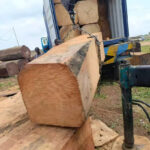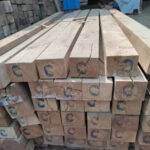
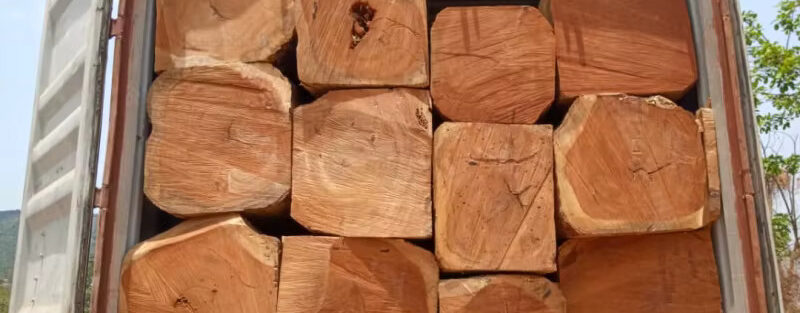
Teak wood is one of the most sought-after hardwoods in international markets due to its durability, weather resistance, and attractive appearance. It is widely used in furniture manufacturing, decking, flooring, marine applications, and construction projects. However, exporting Teak wood from Nigeria presents several challenges that can affect product quality, regulatory compliance, and delivery schedules.
Importers often encounter issues such as moisture imbalance, cracking, grading inconsistencies, documentation errors, and shipment delays. Palmadex addresses these challenges through structured quality control, compliance management, and professional logistics coordination. In this guide, we discuss the most common Teak wood export challenges and how Palmadex solves them.
1. Moisture Control Challenges
One of the most critical challenges in timber export is managing moisture content.
If Teak wood contains excessive moisture, it may warp, shrink, develop fungal growth, or become unstable during transportation and installation. On the other hand, excessive drying can create internal stress within the timber.
Palmadex Solution
Palmadex uses controlled seasoning methods, including air-drying and kiln-drying where required. Moisture levels are monitored regularly throughout processing.
As a result, buyers receive Teak wood with moisture content that meets agreed export specifications and supports long-term performance.
2. Cracking and Splitting Risks
Timber can develop cracks and splits when drying occurs unevenly or when handling practices are inadequate.
These defects reduce both the structural value and visual appeal of the wood.
Palmadex Solution
Palmadex applies proper seasoning schedules and careful handling procedures throughout processing and storage. Additionally, timber is inspected regularly to identify and remove defective pieces.
Consequently, the risk of cracking and splitting is significantly reduced.
3. Grading Inconsistencies
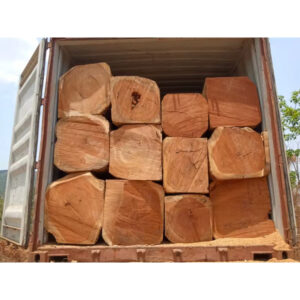
Many timber buyers experience problems when received products do not match agreed grades or specifications.
Variations in dimensions, grain patterns, moisture content, and defects can create production challenges and increase waste.
Palmadex Solution
Palmadex follows standardized grading procedures based on:
- Dimensions
- Grain quality
- Moisture content
- Structural integrity
- Permitted defects
Every shipment undergoes inspection before export to ensure consistency.
4. Compliance and Documentation Risks
International timber trade requires extensive documentation and regulatory compliance.
Missing permits, inaccurate paperwork, or incomplete certifications can result in customs delays, penalties, or shipment rejection.
Palmadex Solution
Palmadex manages export documentation professionally, including:
- Export permits
- Certificate of Origin
- Phytosanitary Certificate
- Commercial Invoice
- Packing List
- Bill of Lading
- Inspection Reports
This structured approach helps ensure smooth customs clearance.
5. Shipment Delays
Logistical disruptions can impact production schedules and increase costs for importers.
Delays may occur due to documentation issues, poor coordination, or inadequate shipment planning.
Palmadex Solution
Palmadex coordinates production, packaging, documentation, container loading, and shipping schedules carefully. Furthermore, buyers receive regular shipment updates throughout the export process.
As a result, deliveries remain more predictable and efficient.
6. Maintaining Quality During Transit
Even properly processed timber can be affected by poor packaging and loading practices.
Exposure to moisture, improper stacking, or physical impact can damage cargo during transportation.
Palmadex Solution
Palmadex applies export-grade packaging and supervises container loading procedures. Timber is bundled and secured appropriately to reduce movement and environmental exposure during transit.
This helps preserve product quality from origin to destination.
7. Managing Large-Volume Orders
Bulk timber shipments require consistent quality across multiple batches.
Without proper management, variations between batches can create challenges for manufacturers and distributors.
Palmadex Solution
Palmadex maintains batch control systems and standardized inspection procedures throughout production. This allows us to maintain consistency across large export orders.
As a result, buyers receive uniform quality regardless of shipment volume.
Conclusion
Exporting Teak wood successfully requires effective management of moisture content, cracking risks, grading standards, compliance requirements, and logistics operations.
Palmadex addresses these challenges through disciplined sourcing, strict quality control, professional documentation management, and reliable shipment coordination. By solving common export problems before they affect buyers, we help ensure a smooth and dependable timber procurement experience.
Teak Wood Export Specifications (Typical)
Product: Teak Wood (Logs or Sawn Timber)
Moisture Content: 12–20% (depending on buyer specification)
Dimensions: Customized according to requirements
Grade: Export grade
Defects: Minimal, within accepted tolerance levels
Packaging: Bundled and containerized
Origin: Nigeria
Applications: Furniture, decking, flooring, marine construction, doors, and general construction
Contact Us Today
Emails: [email protected] | [email protected]
Phone/WhatsApp: +2348066579079