Exporting Nigerian dried hibiscus flower requires careful attention to product quality, food safety, documentation, packaging, labeling, and destination-market regulations. International buyers need assurance that shipments meet their specifications and arrive with the necessary documentation for smooth importation.
Palmadex helps buyers manage these requirements through structured quality checks, appropriate export documentation, careful packaging, and professional shipment preparation.
1. Confirm Buyer Specifications
Every international buyer may have different requirements for dried hibiscus flower.
Before processing an order, Palmadex confirms important specifications such as colour, moisture content, foreign matter, grade, packaging, quantity, intended application, and destination.
Clear specifications help ensure the product is prepared according to the buyer’s expectations.
2. Verify Product Quality
Quality inspection is an essential part of export preparation.
Palmadex checks relevant parameters that may include:
- Natural colour and appearance
- Moisture content
- Foreign matter
- Cleanliness
- Product condition
- Packaging condition
Additional testing or third-party inspection can be arranged when required by the buyer or destination market.
3. Address Food Safety Requirements
Dried hibiscus flower intended for tea, beverages, and food applications must meet applicable food safety requirements.
Buyers may require testing for microbiological quality, contaminants, residues, or other parameters. Palmadex works according to agreed buyer specifications and applicable destination-market requirements.
4. Obtain Phytosanitary Documentation
Plant-based agricultural products may require phytosanitary certification depending on the destination country and applicable import regulations.
Palmadex works with the relevant Nigerian authorities and export partners to support the required phytosanitary documentation where applicable.
5. Obtain a Certificate of Origin
A Certificate of Origin establishes that the exported dried hibiscus flower originates from Nigeria.
This document may be required for customs clearance, trade documentation, tariff assessment, and supply-chain verification.
6. Prepare Export Documentation
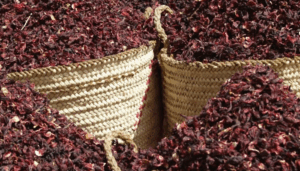
Complete and accurate documentation helps reduce unnecessary delays during customs and shipping processes.
Depending on the destination and transaction, export documents may include:
- Commercial Invoice
- Packing List
- Certificate of Origin
- Phytosanitary Certificate, where required
- Bill of Lading
- Quality or Inspection Certificate
- Laboratory Test Report, where required
- Other destination-specific documents
7. Use Suitable Export Packaging
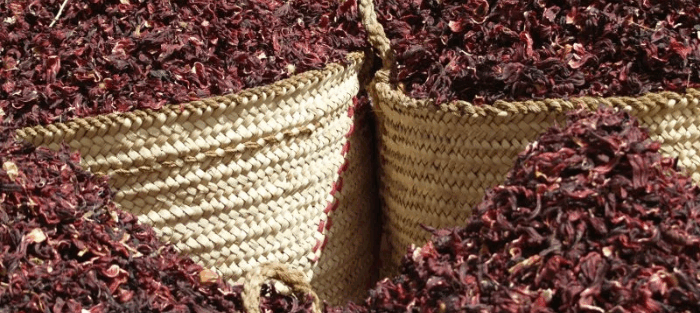
Packaging must protect dried hibiscus flower throughout handling, storage, and transportation.
Palmadex uses suitable export packaging according to buyer requirements. Proper packaging helps reduce moisture exposure, contamination, handling damage, and product loss.
8. Apply Correct Product Labeling
Accurate labeling supports product identification and traceability.
Depending on buyer and destination requirements, labels may include:
- Product name
- Net weight
- Country of origin
- Batch or lot number
- Product grade
- Packaging date, where applicable
- Exporter or supplier details
- Buyer-specific information
9. Check Destination-Market Requirements
Import regulations differ from one country to another.
Palmadex works with buyers to confirm applicable requirements before shipment, including documentation, testing, labeling, packaging, food safety, and phytosanitary requirements where applicable.
This early review helps reduce the risk of compliance problems at the destination.
10. Complete a Final Shipment Inspection
Before loading, Palmadex reviews the completed order to ensure the product, packaging, labels, quantity, and documentation correspond with the agreed specifications.
This final quality and compliance review helps identify potential issues before the shipment leaves Nigeria.
Key Takeaway
Successful dried hibiscus flower exports require careful preparation at every stage. Product quality, food safety, phytosanitary requirements, certificates of origin, export documentation, packaging, labeling, and buyer specifications all contribute to a compliant international shipment.
Palmadex helps international buyers navigate these requirements and prepare Nigerian dried hibiscus flower for efficient export.
Dried Hibiscus Flower Export Specifications
- Product: Nigerian Dried Hibiscus Flower
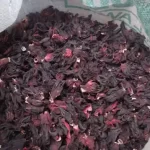
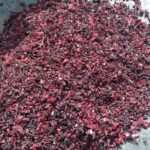
- Type: Dried Hibiscus Calyces
- Colour: Natural Red, According to Buyer Specification
- Moisture Content: According to Buyer Specification
- Foreign Matter: Minimal
- Grade: Export Grade
- Packaging: 25kg or 50kg PP Bags or Buyer Specification
- Origin: Nigeria
- Applications: Herbal Tea, Beverages, Food Processing, Natural Colour Applications, Botanical Products
Contact Us Today
Palmadex is a trusted supplier of Nigerian dried hibiscus flower for international importers, herbal tea manufacturers, beverage companies, food processors, and commodity traders.
Emails: [email protected] | [email protected]
Phone/WhatsApp: +2348066579079