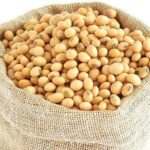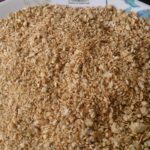
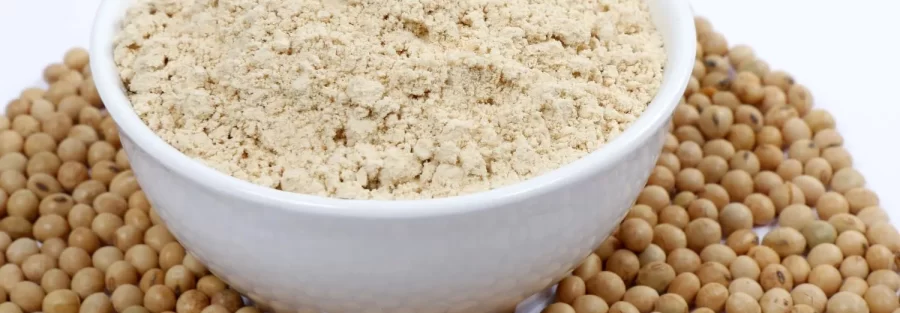
Soya bean meal is an important protein source for poultry feed, livestock feed, aquaculture, and other animal nutrition applications. For international buyers, consistent protein content, controlled moisture, minimal contamination, and reliable packaging are essential when sourcing Nigerian soya bean meal for commercial use.
At Palmadex, we understand that export buyers need more than a product that meets basic expectations. They need dependable quality, clear specifications, careful handling, and supply arrangements that support their production requirements. Our quality-focused approach helps buyers source Nigerian soya bean meal with greater confidence.
1. Careful Sourcing of Nigerian Soya Bean Meal
Quality begins with selecting suitable suppliers and understanding how the meal was produced. Variations in raw materials, processing methods, and handling can affect the nutritional composition and physical condition of the final product.
Palmadex prioritizes sourcing arrangements that support consistent quality and buyer requirements. We consider product condition, intended application, available specifications, and the buyer’s preferred quality parameters before confirming an order.
This approach helps importers identify suitable Nigerian soya bean meal for feed production and other approved commercial applications.
2. Protein Content Verification
Protein content is one of the most important specifications for soya bean meal buyers. Feed manufacturers depend on accurate nutritional information to formulate balanced rations and maintain consistent production standards.
Palmadex recognizes the importance of verifying protein levels against the agreed purchase specifications. Where required, buyers can request laboratory analysis or a certificate of analysis to confirm the product’s nutritional composition.
Protein levels can vary depending on processing methods, the quality of the original beans, and whether the product is full-fat or defatted. Buyers should therefore confirm the required protein percentage and product type before placing bulk orders.
3. Moisture Control and Proper Storage
Excessive moisture can encourage mould growth, deterioration, caking, and reduced storage stability. These problems may affect product quality during transportation and warehousing.
Palmadex emphasizes appropriate moisture assessment, dry storage conditions, and suitable handling practices. The moisture specification should reflect the product type, processing method, buyer requirements, and applicable destination standards.
We also recognize the importance of keeping soya bean meal away from rain, damp floors, leaking roofs, and other sources of moisture throughout storage and handling.
4. Contamination Prevention and Clean Handling
Foreign materials and contaminants can reduce the commercial value of soya bean meal and create concerns for feed manufacturers. Potential problems include dust, stones, metal fragments, insect infestation, and contamination from unsuitable storage or transportation environments.
Palmadex focuses on product inspection and appropriate handling practices to help minimize these risks. Buyers with specific requirements can communicate acceptable foreign-matter limits, testing procedures, and any additional quality conditions before shipment.
Where relevant, food and feed safety controls should also address chemical residues, microbiological risks, and cross-contamination.
5. Consistent Product Specifications
International buyers often need repeated deliveries that meet the same technical requirements. Inconsistent protein levels, moisture, colour, texture, or particle size can disrupt feed formulation and production planning.
Palmadex encourages buyers to establish clear specifications before an order is confirmed. These may include:
- Required crude protein percentage.
- Maximum moisture content.
- Crude fibre, fat, and ash limits.
- Product type, including full-fat or defatted meal.
- Acceptable foreign-matter and contamination limits.
- Packaging requirements and expected order quantity.
Documenting these specifications helps both parties understand the quality expectations for each shipment.
6. Suitable Packaging for Export Shipments
Packaging protects soya bean meal against moisture, contamination, spillage, and handling damage. The appropriate option depends on shipment size, transport method, storage arrangements, and buyer preferences.
Palmadex can discuss suitable packaging arrangements, including bags or bulk packaging where available and commercially appropriate. Buyers should confirm bag weight, packaging material, labelling details, and any palletization requirements before production or dispatch.
Properly prepared packaging also helps simplify handling, storage, and cargo identification at the destination.
7. Quality Checks Before Dispatch
Quality assurance should continue after sourcing and packaging. Pre-shipment checks help identify problems before goods leave the supplier’s facility.
Depending on the order, relevant checks may include:
- Visual inspection for unusual colour, odour, pests, or visible contamination.
- Moisture testing against agreed limits.
- Review of protein analysis and other nutritional specifications.
- Verification of packaging condition and quantity.
- Confirmation that required quality documents are available.
Where independent verification is required, buyers can agree on third-party inspection or laboratory testing before shipment. Any testing method, sampling procedure, and acceptance criteria should be agreed upon in advance.
8. Proper Storage and Shipment Coordination
Even good-quality soya bean meal can deteriorate if exposed to moisture, excessive heat, pests, or unsuitable storage conditions. Transport arrangements therefore form an important part of export quality management.
Palmadex emphasizes suitable storage before dispatch and coordination of packaging and shipping arrangements according to the order. Buyers should also ensure that containers and transport facilities are clean, dry, odour-free, and appropriate for animal feed ingredients.
Clear communication about loading schedules, documentation, and delivery terms helps reduce avoidable handling problems and delays.
Key Takeaway
Premium Nigerian soya bean meal requires careful sourcing, verified protein content, appropriate moisture levels, contamination prevention, consistent specifications, and proper storage and packaging. These factors help importers protect product value and maintain dependable feed production.
Palmadex works with buyers to establish clear quality requirements and suitable export arrangements for their intended applications. By confirming specifications and quality checks before shipment, buyers can make more informed purchasing decisions and establish a stronger foundation for repeat orders.
Product Export Specifications
- Product: Nigerian Soya Bean Meal
- Product Type: Full-Fat or Defatted Soya Bean Meal, Subject to Availability
- Grade: Feed Grade, Subject to Buyer Requirements
- Protein Content: According to Agreed Specification and Laboratory Analysis
- Moisture Content: According to Agreed Specification
- Foreign Matter: Minimal, Within Agreed Limits
- Packaging: Bags or Bulk Packaging, Subject to Availability and Buyer Requirements
- Origin: Nigeria
- Applications: Poultry Feed, Livestock Feed, Aquaculture Feed, and Animal Nutrition
Final nutritional values, quality parameters, packaging, and applicable certifications should be confirmed for each order before shipment.
Contact Us Today
Looking for a reliable supplier of Nigerian soya bean meal for your feed manufacturing or distribution business? Contact Palmadex to discuss your product specifications, order volume, packaging preferences, and export requirements.
Emails: [email protected] | [email protected]
Phone/WhatsApp: +2348066579079