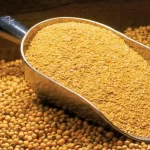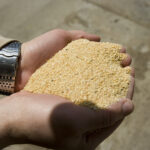

Sourcing Nigerian soya bean meal for international markets requires careful attention to product quality, storage, documentation, and transportation. For feed manufacturers and commodity importers, even small inconsistencies can affect production costs and delivery schedules.
Palmadex understands these concerns and emphasizes clear specifications, appropriate quality checks, and organized export arrangements. Here are eight common soya bean meal export challenges and practical ways to address them.
1. Inconsistent Protein Content
Protein content directly influences the nutritional value of soya bean meal. Variations between batches can complicate feed formulation and reduce confidence in repeat purchases.
How Palmadex addresses it: Buyers are encouraged to specify their required crude protein percentage before ordering. Where necessary, laboratory analysis and a certificate of analysis can help verify that the product meets agreed specifications.
2. Excessive Moisture and Mould
High moisture levels can encourage mould growth, deterioration, and storage problems. These risks may increase when products encounter damp warehouses or poorly prepared shipping containers.
How Palmadex addresses it: Moisture requirements should be agreed before shipment. Appropriate storage, product inspection, and clean, dry transport conditions help protect quality throughout handling and delivery.
3. Contamination and Foreign Matter
Dust, stones, metal fragments, pests, and other unwanted materials can affect product suitability and create concerns for feed manufacturers.
How Palmadex addresses it: Buyers should confirm acceptable foreign-matter limits and required inspection procedures. Visual checks and suitable testing can help identify problems before dispatch.
4. Unclear Product Specifications

Full-fat and defatted soya bean meal have different nutritional characteristics. Unclear descriptions can result in a product that does not match the buyer’s production needs.
How Palmadex addresses it: We encourage buyers to identify the required product type, protein level, moisture limit, fibre content, packaging, and intended application before confirming an order. Written specifications help both parties maintain consistent expectations.
5. Poor Packaging and Handling
Unsuitable packaging can expose soya bean meal to moisture, spillage, contamination, and handling damage during transportation.
How Palmadex addresses it: Packaging should match the shipment size, storage conditions, and buyer’s requirements. Bags or bulk arrangements can be discussed according to availability. Buyers should also confirm labelling and ensure transport containers are clean and dry.
6. Incomplete Export Documentation
Missing documents or inconsistent shipment details can delay customs clearance and increase costs. Requirements also vary between destination countries.
How Palmadex addresses it: Buyers should confirm documentation requirements early. Depending on the shipment, relevant records may include the commercial invoice, packing list, bill of lading, certificate of origin, and certificate of analysis. Additional permits or certificates may apply under destination-country rules.
7. Shipping Delays and Poor Coordination
Delays can disrupt feed production schedules and inventory planning. Common causes include late documentation, unclear shipping terms, and insufficient coordination between parties.
How Palmadex addresses it: Agree on shipment quantities, delivery terms, documentation deadlines, and expected schedules before dispatch. Early communication with freight forwarders and customs brokers also helps identify potential problems.
8. Unexpected Costs and Commercial Disputes
Differences in expectations about quality, inspection, freight, insurance, and delivery responsibilities can lead to disputes.
How Palmadex addresses it: Buyers should document product specifications, pricing, payment terms, inspection procedures, and delivery responsibilities in the purchase agreement. Clear Incoterms, such as FOB or CIF where appropriate, help define each party’s obligations.
Key Takeaway
Successful soya bean meal exports depend on consistent specifications, controlled moisture, contamination prevention, suitable packaging, accurate documentation, and effective shipping coordination.
Palmadex encourages international buyers to establish clear requirements before placing orders. This approach helps reduce avoidable risks and supports more predictable sourcing of Nigerian soya bean meal.
Product Export Specifications
- Product: Nigerian Soya Bean Meal
- Type: Full-Fat or Defatted, Subject to Availability
- Grade: Feed Grade, Subject to Buyer Requirements
- Protein and Moisture: According to Agreed Specifications
- Packaging: Bags or Bulk, Subject to Availability
- Origin: Nigeria
- Applications: Poultry Feed, Livestock Feed, and Aquaculture Feed
Final product values, inspection requirements, packaging, and certificates must be confirmed for each order.
Contact Us Today
Are you looking for a supplier of Nigerian soya bean meal for your feed production or distribution business? Contact Palmadex to discuss specifications, order quantities, quality checks, and export arrangements.
Emails: [email protected] | [email protected]
Phone/WhatsApp: +2348066579079