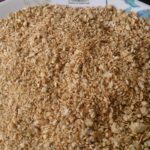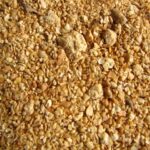
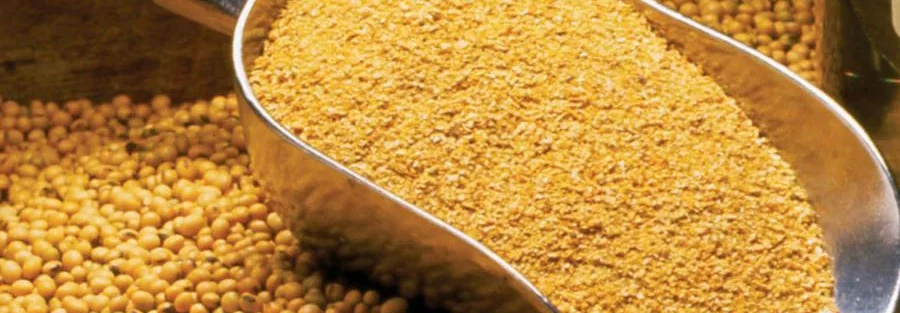
Exporting Nigerian soya bean meal requires careful attention to product quality, nutritional specifications, packaging, and destination-country regulations. For international buyers, these requirements help protect animal feed quality, reduce shipping delays, and support smoother customs clearance.
Palmadex helps buyers clarify their sourcing and export requirements before an order is confirmed. Use this checklist to understand the key considerations when importing Nigerian soya bean meal.
1. Confirm Product Type and Specifications
First, identify the exact product you need. Soya bean meal may be full-fat or defatted, and processing methods can affect its nutritional composition.
Before placing an order, confirm:
- Product type and intended application.
- Required crude protein percentage.
- Maximum moisture content.
- Crude fibre, fat, and ash limits.
- Acceptable foreign-matter levels.
Document these requirements in the purchase agreement. Clear specifications reduce misunderstandings and provide a basis for assessing the delivered product.
2. Verify Nutritional Quality
Feed manufacturers rely on accurate nutritional information when formulating animal feed. Therefore, buyers should request appropriate test results to confirm that the product meets agreed requirements.
A certificate of analysis may report protein, moisture, fibre, fat, and ash levels, depending on the product and testing arrangement. Where necessary, use an independent laboratory and agree on sampling procedures before shipment.
Avoid relying on general descriptions such as “high protein” without a confirmed value and an agreed testing method.
3. Check Moisture and Product Condition
Excess moisture can contribute to mould growth, deterioration, and reduced storage stability. Inspectors should assess moisture against the agreed specification and look for unusual odours, visible mould, pests, or signs of poor handling.
Suppliers should store the meal in dry, clean conditions and protect it from rain and damp surfaces. Buyers should also confirm that transport containers are clean, dry, and suitable for animal feed ingredients.
4. Review Feed Safety Requirements
Soya bean meal intended for animal feed must meet applicable safety and import requirements. Depending on the product, origin, processing method, and destination, buyers may need evidence relating to contaminants, residues, or other feed safety parameters.
Confirm the destination country’s rules before shipment. Where required, arrange appropriate testing and ensure that the supplier understands the buyer’s acceptance criteria.
5. Prepare the Required Export Documents
Accurate documentation helps prevent customs delays and discrepancies between the goods and shipment records. Depending on the transaction and destination, the required documents may include:
- Commercial invoice.
- Packing list.
- Bill of lading or applicable transport document.
- Certificate of origin, where required.
- Certificate of analysis or other quality records.
- Phytosanitary or other regulatory certificates, where applicable.
The exact requirements vary by destination. Importers should confirm them with their customs broker and relevant authorities before dispatch.
6. Confirm Packaging and Labelling
Packaging must protect the product during handling, storage, and transportation. Depending on the shipment, suitable options may include bags or bulk packaging.
Confirm bag weight, packaging material, labelling details, shipment quantity, and any palletization requirements. Labels and accompanying documents should accurately identify the product and match the agreed shipment details.
7. Arrange Pre-Shipment Inspection
A pre-shipment inspection can help buyers verify that the goods meet agreed conditions before dispatch. Depending on the contract, checks may cover product appearance, moisture, nutritional analysis, packaging, and quantity.
Agree on the inspection provider, sampling method, acceptance limits, and responsibility for inspection costs before the order is finalized.
8. Confirm Shipping and Import Clearance Arrangements
Before loading, review the destination port, shipping terms, estimated schedule, insurance responsibilities, and document submission deadlines.
Buyers should also confirm any import permits, registration requirements, or product-specific restrictions that apply in their country. Clear communication between the buyer, supplier, freight forwarder, and customs broker helps reduce avoidable delays.
Key Takeaway
Successful Nigerian soya bean meal imports depend on clear specifications, verified nutritional quality, suitable packaging, accurate documentation, and compliance with destination-country regulations.
Palmadex encourages buyers to confirm these requirements before placing orders. A documented checklist helps both parties understand their responsibilities and prepare for a more organized export transaction.
Product Export Specifications
- Product: Nigerian Soya Bean Meal
- Type: Full-Fat or Defatted, Subject to Availability
- Grade: Feed Grade, Subject to Buyer Requirements
- Protein and Moisture: According to Agreed Specifications
- Packaging: Bags or Bulk, Subject to Availability
- Origin: Nigeria
- Applications: Poultry, Livestock, and Aquaculture Feed
Final specifications, testing, certifications, and packaging must be confirmed for each order.
Contact Us Today
Contact Palmadex to discuss Nigerian soya bean meal specifications, bulk orders, quality verification, and export arrangements.
Emails: [email protected] | [email protected]
Phone/WhatsApp: +2348066579079