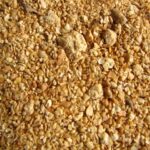
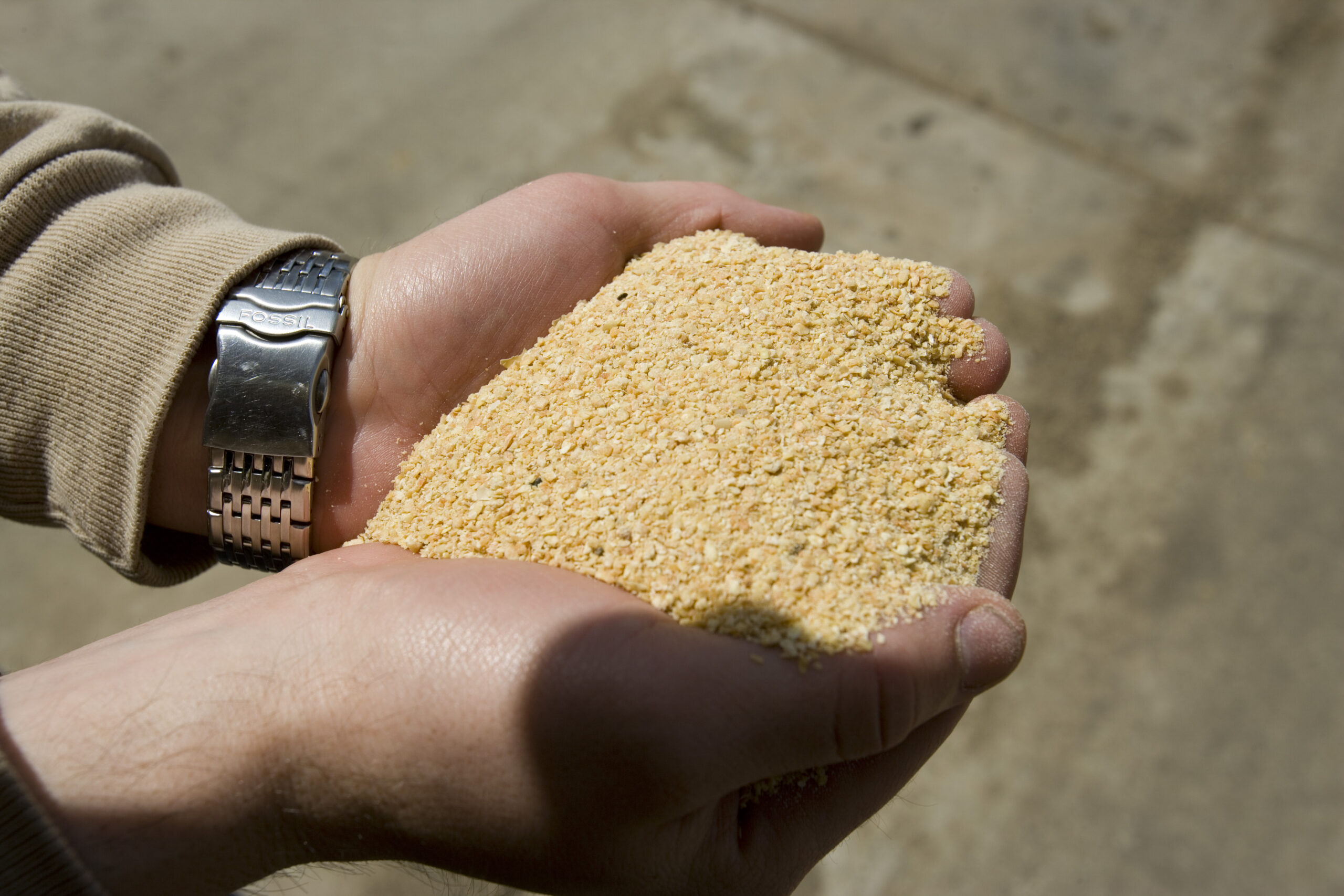
Buying Nigerian soya bean meal for animal feed production requires careful planning. Importers must evaluate nutritional specifications, supplier reliability, packaging, documentation, and shipping arrangements before committing to a purchase.
Palmadex helps international buyers discuss their requirements and organize suitable sourcing arrangements. Follow these 10 steps to prepare for a smoother soya bean meal import transaction.
Step 1: Define Your Product Requirements
Start by identifying whether you need full-fat or defatted soya bean meal. These products have different nutritional profiles and may suit different feed formulations.
Specify your intended application, required quantity, destination country, and preferred delivery schedule. Clear requirements help suppliers determine whether they can meet your needs.
Step 2: Request a Detailed Quotation
Contact Palmadex with your product requirements and destination details. Request a quotation covering product price, quantity, packaging, delivery terms, and estimated shipment schedule.
Compare quotations using the same specifications and Incoterms to evaluate the overall commercial value accurately.
Step 3: Confirm Nutritional Specifications
Protein content is particularly important when purchasing soya bean meal for feed production. You should also establish acceptable moisture, fibre, fat, ash, and foreign-matter limits.
Document these requirements before confirming the order. This creates a clear reference for quality checks and acceptance.
Step 4: Request Samples or Laboratory Results
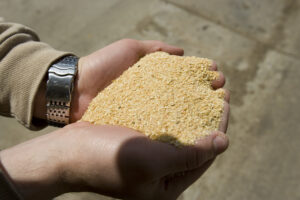
Where practical, request a representative sample or recent laboratory analysis before committing to a large shipment.
A certificate of analysis may provide information on protein, moisture, and other agreed parameters. For additional assurance, consider independent testing using an agreed sampling procedure.
Step 5: Agree on Quality and Inspection Conditions
Decide how the goods will be inspected and what happens if they fail to meet the agreed specifications.
Confirm sampling methods, testing responsibilities, acceptable limits, and whether a third-party inspection is required. Put these conditions in writing before payment or dispatch.
Step 6: Confirm Pricing and Payment Terms
Review the total commercial cost, including applicable packaging, freight, insurance, inspection, and destination charges.
Agree on the payment schedule, currency, delivery terms, and each party’s responsibilities. Use a written purchase agreement to minimize misunderstandings.
Step 7: Confirm Packaging and Labelling
Choose packaging suitable for your order volume, transport method, and storage facilities. Bagged or bulk options may be available depending on the supply arrangement.
Confirm bag weight, packaging material, labels, and any destination-specific requirements before shipment.
Step 8: Prepare Import and Export Documents
Confirm documentation requirements with your customs broker and relevant authorities before dispatch.
Depending on the shipment and destination, documents may include a commercial invoice, packing list, bill of lading, certificate of origin, and certificate of analysis. Additional permits or certificates may apply under local regulations.
Step 9: Coordinate Shipping and Delivery
Agree on the destination port, shipment schedule, delivery terms, and responsibilities for freight and insurance.
Ensure transport containers are clean, dry, and suitable for animal feed ingredients. Maintain communication with the supplier and freight forwarder to track documentation and shipment progress.
Step 10: Inspect the Shipment on Arrival
When the consignment arrives, verify the quantity, packaging condition, product identity, and accompanying documents.
Where appropriate, test samples against the agreed specifications. Document any discrepancies promptly and follow the inspection and claims procedure stated in the purchase agreement.
Key Takeaway
Successful Nigerian soya bean meal imports begin with clear requirements and continue through quality verification, written commercial terms, suitable packaging, accurate documentation, and careful shipment inspection.
Palmadex welcomes enquiries from international importers, feed manufacturers, and commodity distributors seeking Nigerian soya bean meal. Establishing expectations before purchase helps buyers manage risks and plan repeat orders more effectively.
Product Export Specifications
- Product: Nigerian Soya Bean Meal
- Type: Full-Fat or Defatted, Subject to Availability
- Grade: Feed Grade, Subject to Buyer Requirements
- Protein and Moisture: According to Agreed Specifications
- Packaging: Bags or Bulk, Subject to Availability
- Origin: Nigeria
- Applications: Poultry Feed, Livestock Feed, and Aquaculture Feed
Confirm final nutritional values, testing requirements, packaging, and applicable certificates for each order.
Contact Us Today
Planning to import Nigerian soya bean meal? Contact Palmadex to discuss product specifications, bulk quantities, quality verification, packaging, and export arrangements.
Emails: [email protected] | [email protected]
Phone/WhatsApp: +2348066579079