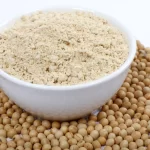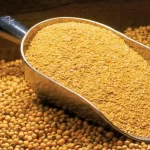
International buyers need a dependable supplier when sourcing soya bean meal for poultry feed, livestock feed, aquaculture, and other animal nutrition applications. They look for consistent product specifications, competitive commercial terms, suitable packaging, and reliable export coordination.
Nigeria offers opportunities for buyers seeking agricultural commodities from West Africa. However, successful sourcing requires careful supplier selection and clear communication about product quality, quantities, documentation, and delivery requirements.
Palmadex helps international buyers explore Nigerian soya bean meal sourcing opportunities through a buyer-focused approach that emphasizes agreed specifications, quality checks, and practical export arrangements.
1. Reliable Sourcing for International Buyers
A dependable supply chain starts with understanding the buyer’s requirements and identifying suitable supply options. Differences in processing methods and raw material quality can affect the nutritional value and physical characteristics of soya bean meal.
Palmadex works with buyers to clarify product type, required specifications, order volume, and intended application before confirming supply arrangements. This helps establish realistic expectations and reduces the risk of misunderstandings.
Whether you are a feed manufacturer, commodity trader, distributor, or importer, clear sourcing requirements provide a stronger foundation for a successful transaction.
2. Product Specifications That Support Feed Production
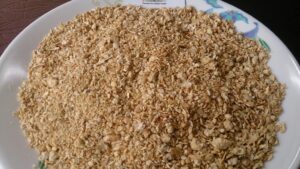
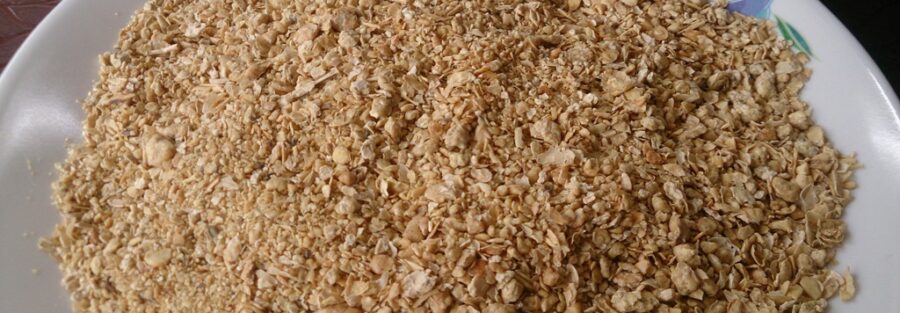
Soya bean meal is widely used because of its protein content and suitability for animal feed formulations. However, buyers must select a product that meets their nutritional and operational requirements.
Palmadex encourages buyers to specify key parameters before placing an order, including:
- Crude protein percentage.
- Moisture content.
- Crude fibre, fat, and ash levels.
- Product type, such as full-fat or defatted meal.
- Foreign-matter limits and applicable safety requirements.
Where required, laboratory analysis and a certificate of analysis can help verify nutritional values. This is particularly important for buyers who need consistent specifications across multiple shipments.
3. Bulk Supply for Commercial Requirements
Feed manufacturers and commodity distributors often require substantial quantities to support ongoing operations. Their purchasing decisions depend on product availability, order size, delivery schedules, and commercial terms.
Palmadex discusses quantity requirements and available supply arrangements with prospective buyers before confirming an order. Buyers should provide their estimated monthly demand, preferred shipment size, destination port, and purchasing schedule.
Planning these details early helps both parties assess feasibility and coordinate procurement, packaging, and transportation more effectively.
4. Competitive Pricing and Clear Commercial Terms
Price is important, but the lowest quotation does not always represent the best value. Buyers should compare nutritional specifications, testing requirements, packaging, shipment terms, and total landed cost.
Palmadex encourages transparent discussions about the product grade, quantity, packaging, inspection arrangements, payment terms, and delivery responsibilities.
International buyers should also clarify whether quotations are based on EXW, FOB, CFR, or CIF terms, as applicable. These Incoterms allocate different responsibilities and costs between the seller and buyer.
By agreeing on commercial details in advance, both parties can reduce avoidable disputes and make better purchasing decisions.
5. Suitable Packaging for Export Transportation
Packaging helps protect soya bean meal from moisture, contamination, spillage, and handling damage. The right choice depends on order volume, shipping arrangements, storage facilities, and buyer preferences.
Palmadex discusses suitable packaging options with buyers, including bagged or bulk arrangements where available. Buyers should confirm bag weight, packaging material, labelling, palletization, and any destination-specific requirements before dispatch.
In addition, transport containers should be clean, dry, and suitable for carrying animal feed ingredients. These precautions help preserve product condition during transit.
6. Export Documentation and Regulatory Preparation
International commodity shipments require accurate documentation. Missing or inconsistent information can delay clearance, increase costs, or create problems at the destination.
Depending on the transaction and destination, relevant documents may include:
- Commercial invoice.
- Packing list.
- Bill of lading or other applicable transport document.
- Certificate of origin, where required.
- Certificate of analysis or other agreed quality records.
- Phytosanitary or other regulatory documents, where applicable to the product and destination.
Palmadex encourages buyers to confirm import requirements with their local authorities before shipment. Documentation requirements vary by country, product classification, processing method, and intended use.
7. Quality Checks Before Shipment
Buyers need confidence that the goods correspond to the agreed specifications. Pre-shipment verification can help identify inconsistencies before the consignment leaves the supplier’s facility.
Depending on the order, quality checks may cover moisture content, protein levels, visible contamination, packaging condition, and quantity. Buyers may also request independent inspection or laboratory testing under agreed sampling and acceptance procedures.
Palmadex supports clear communication about the quality checks required for each transaction. Agreeing on acceptance criteria before payment and dispatch helps protect both parties’ commercial interests.
8. Shipment Coordination and Communication
International buyers must coordinate procurement, loading, freight arrangements, documentation, and delivery schedules. Poor communication at any stage can disrupt inventory planning and production.
Palmadex works with buyers to clarify shipment expectations, required documents, destination details, and agreed delivery terms. Buyers should communicate their preferred shipping window and any special handling or documentation requirements as early as possible.
Regular updates and clearly assigned responsibilities help make the export process easier to manage.
9. Building Long-Term Supply Relationships
A successful first transaction can provide the foundation for repeat business. Long-term relationships benefit from consistent specifications, realistic lead times, reliable communication, and a shared understanding of quality expectations.
Palmadex welcomes discussions with importers, feed manufacturers, distributors, and commodity traders interested in Nigerian soya bean meal. By documenting specifications and reviewing performance after each shipment, buyers and suppliers can improve future orders and develop more predictable sourcing arrangements.
Key Takeaway
International buyers should evaluate soya bean meal suppliers based on product specifications, verified nutritional quality, supply capacity, commercial transparency, packaging, documentation, and shipment coordination.
Palmadex provides a point of contact for buyers seeking to source Nigerian soya bean meal and discuss their export requirements. Before committing to a purchase, confirm the product type, agreed quality limits, available quantity, final price, inspection arrangements, and destination-country regulations.
Product Export Specifications
- Product: Nigerian Soya Bean Meal
- Product Type: Full-Fat or Defatted Soya Bean Meal, Subject to Availability
- Grade: Feed Grade, Subject to Buyer Requirements
- Protein Content: According to Agreed Specification and Laboratory Analysis
- Moisture Content: According to Agreed Specification
- Foreign Matter: Minimal, Within Agreed Limits
- Packaging: Bags or Bulk Packaging, Subject to Availability and Buyer Requirements
- Origin: Nigeria
- Applications: Poultry Feed, Livestock Feed, Aquaculture Feed, and Animal Nutrition
Final specifications, quantities, packaging, certifications, and shipping arrangements must be confirmed for each order.
Contact Us Today
Are you looking for a Nigerian soya bean meal supplier for your feed manufacturing, distribution, or commodity trading business? Contact Palmadex to discuss your required specifications, order volume, packaging options, and export arrangements.
Emails: [email protected] | [email protected]
Phone/WhatsApp: +2348066579079