Buying Nigerian soya beans for international trade requires careful planning, clear product specifications, reliable quality checks, and accurate export documentation. Whether you import soya beans for food processing, animal feed, or edible oil production, a structured purchasing process can help reduce avoidable risks.
This 10-step playbook explains how international buyers can source Nigerian soya beans through Palmadex, from the initial inquiry to final delivery.
1. Define Your Soya Bean Requirements
Start by identifying your intended application and required quantity. Specify the grade, minimum purity, moisture level, acceptable foreign matter, packaging, destination country, and delivery expectations.
Clear requirements help Palmadex understand your needs and establish suitable sourcing arrangements.
2. Submit Your Inquiry
Contact Palmadex with your required volume, product specifications, preferred packaging, destination, and expected shipment timeline.
Providing complete information at the beginning helps both parties discuss the order more efficiently and reduces misunderstandings later.
3. Request and Review Samples
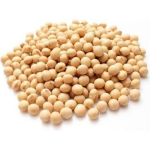
For suitable orders, request a sample before committing to a bulk purchase. Examine the beans for cleanliness, colour, physical condition, visible damage, and foreign matter.
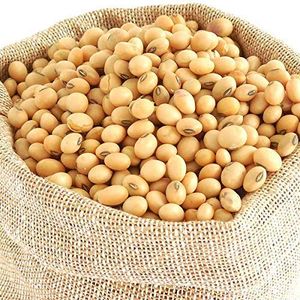
Where necessary, arrange appropriate testing to confirm that the sample meets your quality requirements.
4. Confirm Product Specifications
Before proceeding, agree on the quality parameters that will govern the order. These may include purity, moisture, grade, foreign matter, damaged beans, and other buyer-specific requirements.
Record the agreed specifications so that product preparation and final inspection follow the same criteria.
5. Agree on Price and Commercial Terms
Confirm the order quantity, unit price, payment terms, packaging, delivery terms, inspection arrangements, and shipment schedule.
Make sure both parties understand their responsibilities, including who handles freight, insurance, and destination charges where applicable.
6. Verify Product Quality Before Shipment
Before dispatch, check that the prepared soya beans meet the agreed requirements.
Verification may cover moisture, purity, foreign matter, physical condition, quantity, and packaging. Additional food or feed safety testing may be arranged where required by the buyer or destination market.
7. Prepare Export Documentation
Ensure that the required commercial and export documents are prepared accurately. Depending on the transaction and destination, these may include commercial invoices, packing lists, certificates of origin, shipping documents, and phytosanitary documentation where applicable.
Confirm destination-country requirements early to reduce the risk of clearance problems.
8. Confirm Packaging and Labelling
Agree on packaging that suits your storage, handling, and transportation needs. Palmadex can arrange 50kg PP bags or other buyer-specified formats.
Check that labels and shipment details meet applicable buyer and destination requirements before dispatch.
9. Coordinate Shipment
Once quality checks, packaging, commercial terms, and documentation are in order, finalise shipment arrangements.
Palmadex coordinates relevant export and logistics activities and communicates important shipment details to help buyers plan for the arrival of their goods.
10. Receive and Inspect Your Order
When the shipment arrives, inspect the quantity, packaging, product condition, and accompanying documents against the agreed order.
Keep records of the inspection and any quality findings. These records can help resolve discrepancies and support more consistent repeat purchases.
Why Source Nigerian Soya Beans Through Palmadex?
Palmadex brings together Nigerian sourcing, quality-focused preparation, buyer-specific specifications, packaging, documentation coordination, and shipment support.
This structured approach helps international buyers manage their purchases with clearer expectations at every stage of the export process.
Key Takeaway
Successful soya bean importing starts with clear requirements and continues through sampling, specification confirmation, commercial agreement, quality verification, documentation, packaging, shipment, and delivery inspection.
Palmadex supports buyers throughout this process, helping organise the sourcing and export of Nigerian soya beans according to agreed requirements.
Product Export Specifications
- Product: Nigerian Soya Beans
- Type: Raw Soya Beans
- Grade: Export Grade
- Purity: 98% Minimum, According to Buyer Specification
- Moisture: 12% Maximum, According to Buyer Specification
- Foreign Matter: Minimal, According to Buyer Specification
- Packaging: 50kg PP Bags or Buyer Specification
- Origin: Nigeria
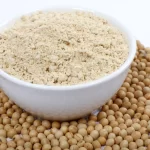
- Applications: Food Processing, Animal Feed, Edible Oil Production, Soy Flour, Industrial Processing
Contact Us Today
Ready to source Nigerian soya beans for your international business?
Palmadex can support your requirements with sourcing, cleaning, quality verification, suitable packaging, export documentation, and shipment coordination.
Contact Us Today to discuss your required quantity, quality specifications, packaging, and destination.
Emails: [email protected] | [email protected]
Phone/WhatsApp: +2348066579079