
Exporting Nigerian soya beans involves several challenges that can affect product quality, storage stability, shipment costs, and delivery timelines. International buyers need suppliers who understand these risks and take practical steps to reduce them before dispatch.
Palmadex focuses on sourcing, cleaning, sorting, moisture control, quality verification, packaging, documentation, and shipment coordination to help buyers manage common soya bean export challenges.
1. Excess Moisture
Excess moisture can encourage mould growth, deterioration, and storage losses. It may also affect the suitability of soya beans for processing.
Palmadex addresses this risk through appropriate drying and handling practices, with moisture levels checked against the buyer’s agreed specification.
2. Mould and Product Deterioration
Soya beans exposed to excessive moisture or unsuitable storage conditions can deteriorate before shipment. This may reduce commercial value and affect their intended use.
Palmadex emphasises suitable storage conditions and product inspection to help identify quality problems before packaging and dispatch.
3. Foreign Matter and Contamination
Stones, soil, plant debris, and other unwanted materials can enter soya beans during harvesting, handling, and transportation.
Cleaning, sorting, and inspection help minimise these materials. Palmadex focuses on foreign matter control to help the product meet agreed purity requirements.
4. Inconsistent Purity and Grading

Variations in bean condition, broken beans, discolouration, and foreign matter can create inconsistent quality between orders.
Palmadex works with buyer-specific grade and purity requirements. Sorting and final checks help identify unsuitable material and improve consistency across shipments.
5. Insect Damage and Pest Problems
Insect activity during storage can damage soya beans and reduce their marketability. Poor storage practices may increase the risk of infestation.
Palmadex considers appropriate storage, handling, and inspection practices to help identify pest-related issues and protect product condition before shipment.
6. Poor Storage and Handling
Soya beans can deteriorate when exposed to moisture, contamination, pests, or unsuitable storage conditions. Rough handling can also cause physical damage.
Palmadex focuses on appropriate storage and careful handling to help preserve the beans until packaging and shipment.
7. Unsuitable Packaging
Packaging that does not meet the buyer’s requirements can create problems during loading, transportation, and storage.
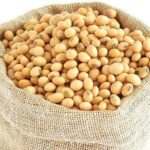
Palmadex works with buyers to confirm suitable packaging, including 50kg PP bags or other agreed formats. Packaging arrangements should reflect the shipment quantity, handling needs, and destination requirements.
8. Food and Feed Safety Concerns
Buyers may have specific requirements for pesticide residues, contaminants, or other safety parameters, depending on whether the soya beans are intended for food processing or animal feed.
Palmadex encourages buyers to identify applicable requirements early so that relevant quality checks can be planned before shipment.
9. Documentation Errors
Incomplete or inconsistent commercial documents can delay customs clearance and shipment processing.
Depending on the destination and transaction, the shipment may require commercial invoices, packing lists, certificates of origin, phytosanitary documentation where applicable, and other supporting records.
Palmadex helps coordinate documentation requirements and encourages verification before dispatch.
10. Shipment Delays
Delays can arise from incomplete documents, late packaging decisions, freight arrangements, or destination-specific requirements that were not identified early enough.
Palmadex coordinates key export preparation stages and communicates with buyers about important order and shipment details to help reduce avoidable delays.
How Palmadex Reduces Soya Bean Export Risks
Palmadex uses a coordinated approach to help buyers manage the main stages of a soya bean export order. This includes:
- Careful Nigerian sourcing
- Cleaning and sorting
- Moisture and purity checks
- Buyer-specific grading
- Suitable storage and packaging
- Confirmation of food or feed safety requirements
- Export documentation coordination
- Final pre-shipment verification
- Shipment planning and communication
These measures help identify potential problems before they affect the buyer’s order.
Key Takeaway
Soya bean export challenges can begin during harvesting and storage, but they can also arise from inconsistent grading, unsuitable packaging, documentation errors, and shipping delays.
Palmadex helps reduce these risks through quality-focused preparation, buyer-specific specifications, careful packaging, and coordinated export support. Clear requirements and early planning remain essential to a successful shipment.
Product Export Specifications
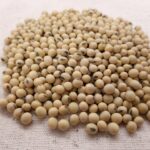
- Product: Nigerian Soya Beans
- Type: Raw Soya Beans
- Grade: Export Grade
- Purity: 98% Minimum, According to Buyer Specification
- Moisture: 12% Maximum, According to Buyer Specification
- Foreign Matter: Minimal, According to Buyer Specification
- Packaging: 50kg PP Bags or Buyer Specification
- Origin: Nigeria
- Applications: Food Processing, Animal Feed, Edible Oil Production, Soy Flour, Industrial Processing
Contact Us Today
Looking for a reliable Nigerian soya bean supplier that understands the challenges of international agricultural trade?
Palmadex can support your order through sourcing, cleaning, sorting, quality checks, packaging, export documentation, and shipment coordination.
Contact Us Today to discuss your required quantity, quality specifications, packaging, and destination market.
Emails: [email protected] | [email protected]
Phone/WhatsApp: +2348066579079