
Exporting Nigerian soya beans requires careful preparation to meet buyer specifications, applicable export regulations, and destination-country requirements. International buyers must consider product quality, food and feed safety, packaging, labelling, and shipping documentation before dispatch.
Palmadex helps buyers organise these requirements through a structured approach to product verification and export preparation.
1. Confirm Buyer Specifications
Begin by documenting the buyer’s requirements. These may include quantity, grade, purity, moisture level, foreign matter limits, packaging, intended application, and delivery destination.
Clear specifications help guide product preparation, inspection, and final shipment verification.
2. Verify Purity and Grade
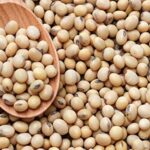
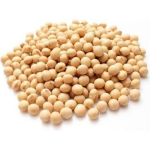
Soya beans should meet the agreed grade and purity requirements. Buyers may specify minimum purity levels and acceptable limits for damaged, broken, or discoloured beans.
Cleaning, sorting, and inspection help identify material that does not meet the agreed standard.
3. Check Moisture Requirements
Excess moisture can encourage mould growth and deterioration during storage and transportation. Therefore, buyers should confirm the acceptable moisture level before an order is prepared.
Palmadex works with the moisture specification agreed for each transaction and supports appropriate product handling before shipment.
4. Control Foreign Matter
Foreign matter may include stones, soil, plant debris, and other unwanted materials. These contaminants can affect processing efficiency and product quality.

Soya beans should be cleaned and checked against the buyer’s requirements before packaging. Any applicable destination-market limits must also be considered.
5. Confirm Food and Feed Safety Requirements
The intended use of the soya beans affects the relevant compliance requirements. Products destined for food processing may be subject to different controls from those intended for animal feed.
Depending on the buyer and destination, requirements may cover pesticide residues, contaminants, microbiological parameters, or other relevant safety criteria. Importers should confirm the applicable rules before shipment.
6. Check Phytosanitary Requirements
Soya beans may be subject to plant-health controls in the destination country. Import permits, phytosanitary certificates, inspections, or other measures may apply depending on the product and destination.
Buyers should confirm requirements with the relevant importing-country authorities before finalising shipment arrangements.
7. Prepare the Certificate of Origin
A certificate of origin may be required to establish that the soya beans originate from Nigeria.
Where necessary, the document should be obtained through the appropriate process and checked against the commercial shipment details.
8. Prepare Commercial Export Documents
Accurate documents help support customs processing and shipment clearance. Depending on the transaction, these may include:
- Commercial invoice
- Packing list
- Certificate of origin
- Shipping documents
- Inspection or quality certificates where required
- Phytosanitary certificate where applicable
- Other destination-specific documents
The exact document set depends on the shipment and applicable regulations.
9. Confirm Packaging and Labelling
Packaging should protect the beans from contamination, moisture exposure, and physical damage during handling and transportation.
Palmadex can arrange 50kg PP bags or other buyer-specified packaging. Labelling must accurately reflect the shipment and comply with applicable buyer and destination-country requirements.
10. Conduct Final Pre-Shipment Checks
Before dispatch, review the product and documentation together. Confirm quantity, packaging, labels, quality specifications, shipping details, and required certificates.
This final review helps identify discrepancies before the shipment leaves Nigeria.
Common Soya Bean Export Compliance Mistakes
Importers and exporters can reduce avoidable delays by addressing these common problems early:
- Unclear quality specifications
- Incorrect or incomplete documents
- Failure to confirm destination-country rules
- Moisture levels outside the agreed limits
- Excessive foreign matter
- Unsuitable packaging or inaccurate labels
- Missing certificates where required
- Inadequate pre-shipment verification
How Palmadex Supports Export Compliance
Palmadex works with buyers to clarify specifications, coordinate quality checks, establish packaging requirements, and prepare the shipment for export.
Because requirements differ between destinations and intended applications, buyers should confirm the applicable rules before dispatch.
Key Takeaway
Successful Nigerian soya bean exports depend on both product quality and regulatory preparation. Confirming specifications, moisture, purity, safety requirements, phytosanitary conditions, documentation, packaging, and labelling early helps reduce avoidable complications.
Palmadex supports international buyers by coordinating these essential stages according to agreed order specifications and applicable export requirements.
Product Export Specifications
- Product: Nigerian Soya Beans
- Type: Raw Soya Beans
- Grade: Export Grade
- Purity: 98% Minimum, According to Buyer Specification
- Moisture: 12% Maximum, According to Buyer Specification
- Foreign Matter: Minimal, According to Buyer Specification
- Packaging: 50kg PP Bags or Buyer Specification
- Origin: Nigeria
- Applications: Food Processing, Animal Feed, Edible Oil Production, Soy Flour, Industrial Processing
Contact Us Today
Planning to import Nigerian soya beans and need a supplier that understands quality requirements and export preparation?
Palmadex can support your order through sourcing, cleaning, quality verification, packaging, documentation coordination, and shipment planning.
Contact Us Today to discuss your quantity, product specifications, packaging, and destination-country requirements.
Emails: [email protected] | [email protected]
Phone/WhatsApp: +2348066579079