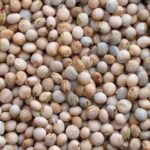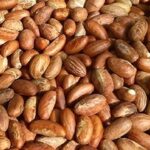
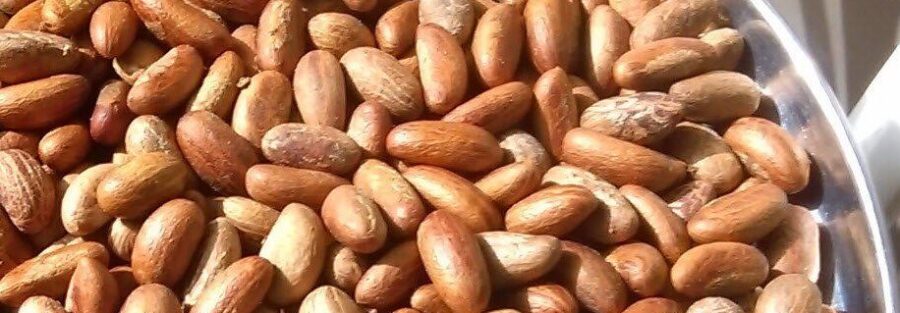
Bitter Kola (Garcinia Kola) is a highly valued agricultural commodity widely used in traditional medicine, herbal products, nutraceutical manufacturing, and consumer markets across the world. International buyers require products that are properly sourced, carefully handled, and consistently maintained to meet export-quality standards.
Palmadex is committed to supplying premium Nigerian Bitter Kola through structured sourcing, quality control, and professional export management. In this guide, we explain how Palmadex ensures quality at every stage of the supply chain.
1. Where Does Palmadex Source Bitter Kola?
Palmadex sources Bitter Kola from trusted farming communities, collectors, and aggregation networks across Nigeria.
We work with reliable suppliers who understand quality requirements and follow proper harvesting and handling practices. This helps ensure consistent product availability and quality throughout the export season.
2. How Is Bitter Kola Harvested?
Proper harvesting is essential for maintaining product quality.
Palmadex works with suppliers who harvest mature Bitter Kola nuts at the appropriate stage of development. Careful harvesting helps preserve freshness, appearance, and overall product quality while minimizing physical damage.
3. How Does Palmadex Handle Sorting and Selection?
After sourcing, Bitter Kola undergoes sorting and selection procedures.
The product is examined to remove damaged, defective, immature, or contaminated nuts. This process helps improve uniformity and ensures that export shipments meet buyer specifications.
4. How Does Palmadex Manage Drying Processes?
Drying is an important stage in preparing Bitter Kola for export.
Palmadex ensures that products are properly dried to appropriate moisture levels before storage and shipment. Proper drying helps reduce the risk of spoilage, mold development, and quality deterioration during transit.
5. How Does Palmadex Control Moisture Levels?
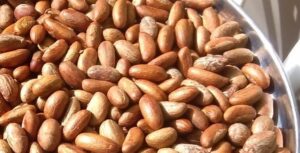
Moisture management plays a critical role in maintaining product quality.
Excess moisture can affect shelf life and increase the risk of spoilage. Palmadex monitors storage and handling conditions to help maintain product integrity throughout the export process.
6. How Does Palmadex Ensure Proper Storage?
Storage conditions directly affect the quality of agricultural commodities.
Palmadex utilizes suitable storage practices designed to protect Bitter Kola from moisture, contamination, pests, and environmental factors that may affect quality before shipment.
7. What Quality Standards Does Palmadex Apply?
Palmadex evaluates Bitter Kola based on several important quality factors, including:
- Size consistency
- Physical appearance
- Moisture condition
- Cleanliness
- Product integrity
- Overall export suitability
These quality checks help ensure consistency across shipments.
8. How Does Palmadex Ensure Export-Ready Quality?
Before shipment, products undergo final inspections to verify compliance with buyer specifications and export requirements.
Quality verification, proper packaging, and careful handling help ensure that Bitter Kola arrives at its destination in good condition.
Conclusion
Premium Bitter Kola exports require proper sourcing, harvesting, sorting, drying, storage, and quality assurance. Every stage contributes to the quality of the final product delivered to international buyers.
Through structured quality management procedures and professional export services, Palmadex helps buyers source premium Nigerian Bitter Kola with confidence and reliability.
Bitter Kola Export Specifications
- Product: Bitter Kola (Garcinia Kola)
- Grade: Export Grade
- Moisture Content: As Per Buyer Specification
- Quality: Clean and Well Sorted
- Packaging: PP Bags, Cartons, or Buyer Specification
- Origin: Nigeria
- Applications: Herbal Products, Nutraceuticals, Traditional Medicine, Food Processing
Contact Us Today
Palmadex is a trusted supplier of export-quality Nigerian Bitter Kola for international buyers.
Emails: [email protected] | [email protected]
Phone/WhatsApp: +2348066579079