Exporting kola nuts from Nigeria can be highly rewarding, but buyers and exporters often face several challenges. Issues such as moisture fluctuations, spoilage, inconsistent grading, contamination, and shipment delays can affect product quality and reliability.
Palmadex addresses these challenges through structured processes, strict quality control, and professional export management. This guide explains common kola nut export problems and how Palmadex ensures smooth international supply.
1. Moisture Control Challenges
High moisture content in kola nuts can lead to mold growth and reduced shelf life. Improper drying or storage is a common problem in the supply chain.
Palmadex Solution: We monitor moisture content throughout sourcing, curing, and storage. Kola nuts are kept in controlled, ventilated environments, ensuring they remain dry and export-ready.
2. Spoilage Risks
Without proper handling, kola nuts can spoil before reaching buyers, affecting taste, appearance, and quality.
Palmadex Solution: Proper curing, hygienic handling, and careful storage minimize spoilage. Additionally, final quality inspections before shipment ensure that only fresh, healthy nuts are exported.
3. Grading Inconsistencies
Variations in size, color, or quality can create buyer dissatisfaction and affect pricing.
Palmadex Solution: Palmadex sorts and grades kola nuts according to standardized criteria. We align grading with buyer specifications, guaranteeing consistency in every shipment.
4. Contamination Risks
Foreign materials such as dirt, stones, or damaged nuts can compromise quality and lead to rejection at import.
Palmadex Solution: Strict cleaning and sorting procedures remove foreign matter. Workers inspect the nuts thoroughly during processing, ensuring the final product meets export standards.
5. Shipment Delays
Delays in container booking, documentation, or port handling can disrupt supply chains and reduce buyer confidence.
Palmadex Solution: Palmadex coordinates logistics from documentation to container loading and shipment tracking. We provide regular updates to buyers, minimizing delays and ensuring timely delivery.
6. Maintaining Traceability
Lack of traceability can cause regulatory issues or make quality verification difficult for buyers.
Palmadex Solution: Each batch is tracked from sourcing to shipment. Buyers can trace kola nuts to their origin, ensuring transparency and compliance with international trade standards.
7. Ensuring Export Compliance
Incorrect or incomplete export documentation can lead to customs rejection or shipment penalties.
Palmadex Solution: Palmadex handles all compliance requirements, including phytosanitary certificates, fumigation reports, certificates of origin, inspections, and proper labeling. This reduces the risk of regulatory issues at import.
Conclusion
Kola nut exports involve multiple challenges, from moisture control and spoilage to grading, contamination, and shipment delays. Palmadex addresses these issues through strict quality control, careful handling, and professional logistics management.
By following these solutions, Palmadex ensures international buyers receive consistent, high-quality, and export-ready Nigerian kola nuts.
Kola Nut Export Specifications (Typical)
Product: Kola Nut
Moisture Content: Controlled to preserve freshness
Defects: Minimal, as per buyer specification
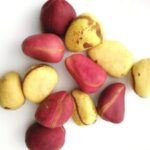
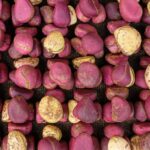
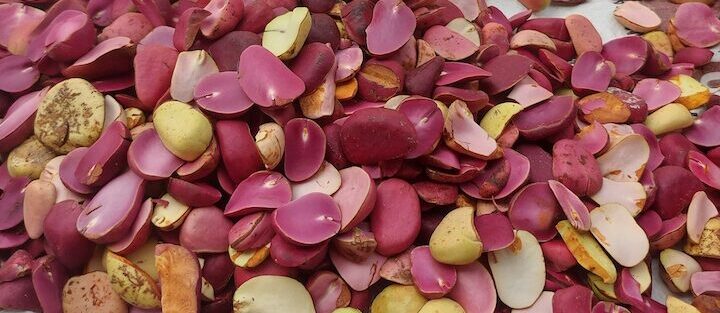
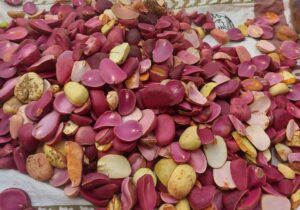
Color: Natural (white or red varieties)
Form: Whole kola nuts
Packaging: Ventilated bags or crates (or buyer specification)
Origin: Nigeria
Shelf Life: Varies based on storage conditions
Contact Us Today
Emails: [email protected] | [email protected]
Phone/WhatsApp: +2348066579079