Nigeria is one of the leading producers of kola nuts in West Africa, supplying both regional and international markets. However, exporting kola nuts requires careful handling to preserve freshness, prevent spoilage, and maintain quality standards. Buyers often face issues such as poor curing, contamination, inconsistent grading, and improper storage.
Palmadex addresses these challenges through structured sourcing, controlled processing, and strict quality assurance. In this Q&A guide, we explain how Palmadex ensures premium Nigerian kola nut quality for international buyers.
1. Where Does Palmadex Source Kola Nuts?
Palmadex sources kola nuts from key producing regions in Southern Nigeria, where climate conditions support healthy kola tree growth.
First, we evaluate suppliers based on harvesting practices and product quality. Additionally, we maintain long-term relationships with trusted farmers. As a result, we ensure a steady supply of high-quality kola nuts.
2. How Are Kola Nuts Harvested?
Farmers harvest kola nuts when the pods reach full maturity. Mature pods produce nuts with better flavor, size, and shelf life.
After harvesting, workers open the pods and extract the nuts carefully. They then remove damaged or immature nuts during initial sorting. This process improves overall product quality before curing begins.
3. What Curing Methods Are Used?
Curing is essential for maintaining freshness and extending the shelf life of kola nuts. Improper curing can lead to spoilage or reduced quality.
Palmadex ensures proper curing under controlled conditions. Additionally, we monitor temperature and humidity during the curing process. Consequently, the nuts retain their freshness and natural characteristics.
4. How Are Kola Nuts Sorted and Cleaned?
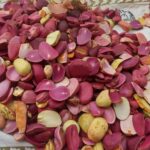
After curing, kola nuts undergo sorting and cleaning to remove defective nuts and foreign materials.
Palmadex supervises this process carefully. Workers separate nuts based on size, color, and condition. As a result, buyers receive clean and well-sorted kola nuts suitable for export.
5. What Grading Standards Does Palmadex Apply?
Grading ensures consistency in quality and helps buyers select the right product for their market.
Palmadex grades kola nuts based on size, color, and overall quality. Furthermore, we align grading with buyer specifications. Therefore, each shipment meets the agreed requirements.
6. How Does Palmadex Prevent Spoilage and Contamination?
Kola nuts are sensitive to moisture and poor handling. Without proper care, they can spoil quickly.
Palmadex stores kola nuts in clean, ventilated environments that control moisture levels. In addition, we follow strict hygiene practices during handling and packaging. These measures help maintain product quality and prevent contamination.
7. How Does Palmadex Ensure Export-Ready Quality?
Before shipment, Palmadex conducts final inspections to verify freshness, grading consistency, and packaging quality. We also prepare all required export documentation.
Furthermore, our team supervises packaging and container loading to protect the nuts during transit. Consequently, buyers receive export-ready kola nuts that meet international standards.
Conclusion
Exporting premium kola nuts requires careful sourcing, proper curing, accurate grading, and strict quality control. Palmadex manages each stage of the supply chain to ensure consistent Nigerian kola nut quality.
By combining reliable sourcing, controlled processing, and professional export handling, Palmadex delivers high-quality kola nuts that meet global buyer expectations.
Kola Nut Export Specifications (Typical)
Product: Kola Nut
Moisture Content: Controlled to preserve freshness
Defects: Minimal, as per buyer specification
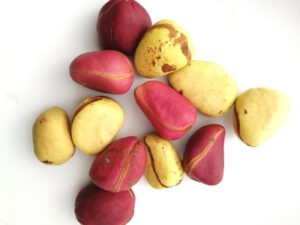
Color: Natural (white or red varieties)
Form: Whole kola nuts
Packaging: Ventilated bags or crates (or buyer specification)
Origin: Nigeria
Shelf Life: Varies based on storage conditionsx
Contact Us Today
Emails: [email protected] | [email protected]
Phone/WhatsApp: +2348066579079