Cassava flakes (garri) are one of Nigeria’s most widely consumed and exported food products. However, maintaining export-grade quality requires strict control over sourcing, fermentation, drying, and packaging. Buyers often encounter issues such as excessive moisture, poor fermentation, contamination, and inconsistent grain texture.
Palmadex addresses these challenges through structured sourcing and disciplined processing standards. In this Q&A guide, we explain how Palmadex ensures premium Nigerian cassava flakes quality for international buyers.
1. Where Does Palmadex Source Cassava for Processing?
Palmadex sources cassava roots from key farming regions in Nigeria where soil conditions support high starch yield and quality.
First, we work with trusted farmers who follow proper harvesting practices. Additionally, we ensure cassava roots are processed soon after harvest. As a result, the raw material retains freshness and produces high-quality garri.
2. How Is Cassava Processed into Flakes?
Cassava processing involves peeling, washing, grating, fermenting, pressing, and frying. Each step affects the final product quality.
Palmadex supervises the entire process carefully. Moreover, we ensure hygienic handling at every stage. Therefore, the cassava flakes remain clean and suitable for export markets.
3. How Does Fermentation Affect Quality?
Fermentation plays a key role in flavor, texture, and shelf life. Poor fermentation can result in off-flavors or unsafe products.
Palmadex controls fermentation time and conditions to achieve balanced acidity and taste. Additionally, we monitor the process to prevent over-fermentation. Consequently, buyers receive cassava flakes with consistent flavor and quality.
4. How Is Proper Drying Ensured?
Drying is essential to reduce moisture and prevent spoilage. High moisture content can lead to mold growth and reduced shelf life.
Palmadex ensures proper roasting and drying to achieve safe moisture levels. Furthermore, we test the product before packaging. As a result, the cassava flakes remain stable during storage and shipment.
5. How Are Cassava Flakes Cleaned and Sorted?
After drying, cassava flakes are sieved and sorted to remove lumps, fibers, and foreign materials.
Palmadex conducts careful cleaning and inspection during this stage. Workers ensure uniform grain size and remove impurities. Therefore, the final product meets export-grade cleanliness standards.
6. What Grading Standards Does Palmadex Apply?
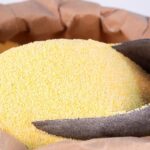
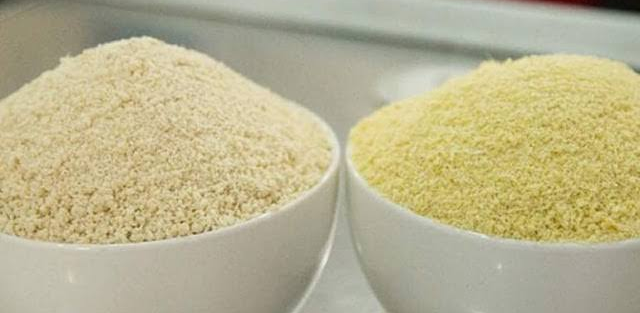
Cassava flakes are graded based on color, texture, grain size, and overall quality. White and yellow garri are handled according to buyer preferences.
Palmadex aligns grading with customer specifications. In addition, we maintain consistency across batches. Consequently, buyers receive products that match their requirements.
7. How Does Palmadex Ensure Export-Ready Quality?
Before shipment, Palmadex performs final inspections on moisture content, grading consistency, and packaging integrity.
Furthermore, we supervise packaging and container loading to prevent contamination. As a result, buyers receive cassava flakes that meet international standards and arrive in good condition.
Conclusion
Producing premium cassava flakes for export requires strict control over sourcing, fermentation, drying, and grading. Palmadex manages each stage carefully to ensure consistent Nigerian garri quality.
By combining proper processing methods with strong quality assurance systems, Palmadex delivers reliable, export-ready cassava flakes to global buyers.
Cassava Flakes Export Specifications (Typical)
Product: Cassava Flakes (Garri)
Moisture Content: ≤ 10–12%
Foreign Matter: ≤ 1–2%
Color: White or Yellow
Texture: Fine to medium grain
Packaging: 25kg or 50kg PP bags (or buyer specification)
Origin: Nigeria
Shelf Life: Up to 6–12 months under proper storage
Contact Us Today
Emails: [email protected] | [email protected]
Phone/WhatsApp: +2348066579079