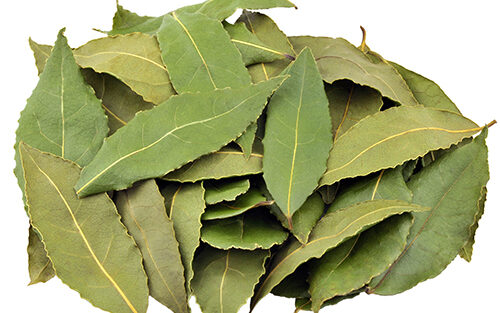
Importing Nigerian bay leaves requires careful planning and coordination to ensure quality, compliance, and timely delivery. Buyers often face challenges such as inconsistent grading, moisture issues, incomplete documentation, and shipment delays.
Palmadex provides a structured roadmap for first-time and experienced buyers alike, guiding them from inquiry to container delivery. This playbook outlines the 10 essential steps to a successful bay leaves import.
1. Inquiry and Initial Contact
Start by reaching out to Palmadex with your product requirements, including quantity, preferred grade, and packaging specifications.
Palmadex responds promptly with available stock details, pricing, and preliminary lead times. Clear communication at this stage sets expectations for the entire process.
2. Sample Request
Request samples to verify aroma, color, size, and overall quality. Palmadex provides representative samples for inspection before finalizing orders.
This step ensures that buyers are confident in the quality and grading of the bay leaves.
3. Specification Confirmation
Confirm product specifications, including moisture content, leaf size, grade, packaging type, and shipment quantity.
Palmadex aligns every order with the buyer’s exact requirements to prevent discrepancies during delivery.
4. Contracting and Payment Terms
Once specifications are agreed upon, Palmadex issues a proforma invoice. Buyers review and sign contracts, and payment terms are confirmed, including LC, TT, or other agreed methods.
This step formalizes the agreement and protects both parties.
5. Quality Inspection
Before shipment, Palmadex performs internal quality checks, ensuring leaves meet moisture, aroma, and grading standards. Third-party inspections can be arranged if requested by buyers.
This guarantees that the exported bay leaves match the approved sample.
6. Documentation Preparation
Palmadex handles all necessary export documentation, including phytosanitary certificates, fumigation reports, certificates of origin, invoices, and packing lists.
Proper documentation ensures smooth customs clearance at the destination.
7. Packaging and Labelling
Bay leaves are packaged in ventilated cartons or PP bags, protecting them from moisture and contamination during transit.
Labels include product name, batch number, weight, and origin, supporting traceability and regulatory compliance.
8. Container Loading and Shipment
Palmadex supervises container loading to prevent damage or contamination. Buyers receive shipment updates, including ETAs, to track the cargo.
Efficient logistics management minimizes delays and ensures timely delivery.
9. Customs Clearance Support
Palmadex assists buyers with customs clearance by providing all required documents and guidance.
This support reduces potential hold-ups and ensures smooth entry into the importing country.
10. Post-Delivery Follow-Up
After delivery, Palmadex follows up to confirm receipt and quality satisfaction. Buyers can discuss any feedback or future orders with the team.
This step strengthens long-term relationships and ensures ongoing supply reliability.
Conclusion
Importing bay leaves from Nigeria can be seamless when each step—from inquiry to post-delivery—is managed carefully. Palmadex provides expertise in quality control, documentation, logistics, and buyer support to guarantee a smooth and reliable import process.
By following this 10-step playbook, international buyers receive consistent, export-ready Nigerian bay leaves with minimal risk.
Bay Leaves Export Specifications (Typical)
Product: Dried Bay Leaves
Moisture Content: ≤ 10–12%
Foreign Matter: ≤ 1–2%
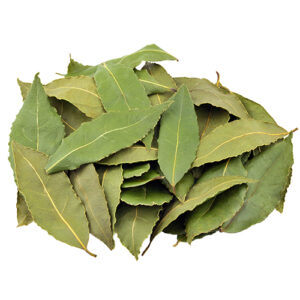
Color: Green to olive green
Form: Whole dried leaves
Packaging: 10kg–25kg cartons or PP bags (buyer specification)
Origin: Nigeria
Shelf Life: Up to 18–24 months under proper storage
Contact Us Today
Emails: [email protected] | [email protected]
Phone/WhatsApp: +2348066579079