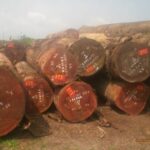
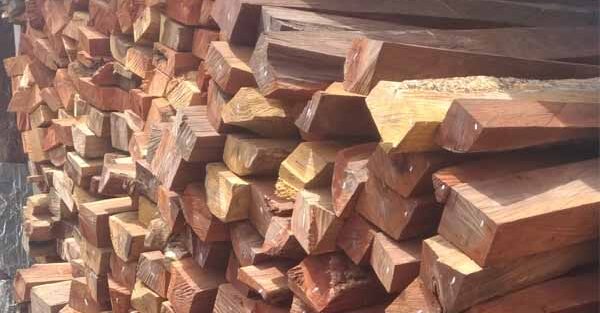
Eku wood is valued for its durability, strength, and suitability for construction, furniture, and industrial applications. However, exporting premium Eku wood from Nigeria requires strict control over sourcing, logging practices, seasoning, grading, and handling. Buyers often face challenges such as improper moisture levels, inconsistent dimensions, defects, and unreliable documentation.
Palmadex addresses these challenges through disciplined sourcing and structured quality management. In this Q&A guide, we explain how Palmadex ensures premium Nigerian Eku wood quality for global buyers.
1. Where Does Palmadex Source Eku Wood?
Palmadex sources Eku wood from approved forest zones in Nigeria where regulated harvesting practices are followed.
First, we work with verified suppliers who comply with forestry regulations. Additionally, we assess supplier reliability and timber quality regularly. As a result, buyers receive legally sourced and dependable timber supply.
2. How Are Logging Practices Controlled?
Proper logging practices help preserve timber strength and reduce damage during harvesting.
Palmadex ensures that trees are harvested using controlled methods that minimize internal stress and defects. Furthermore, logs are transported carefully to maintain structural integrity. Therefore, the wood retains its natural quality.
3. How Does Palmadex Ensure Accurate Conversion?
After harvesting, Eku wood is converted into logs or sawn timber based on buyer specifications.
Palmadex supervises cutting and sizing processes to ensure dimensional accuracy. In addition, we align production with international buyer requirements. Consequently, the timber meets agreed export standards.
4. How Is Eku Wood Seasoned?
Seasoning reduces moisture content and improves wood stability during storage and use.
Palmadex applies controlled air-drying or kiln-drying methods depending on buyer needs. Moreover, we monitor moisture levels throughout the process. As a result, the timber remains stable and resistant to warping or cracking.
5. What Grading Standards Does Palmadex Apply?
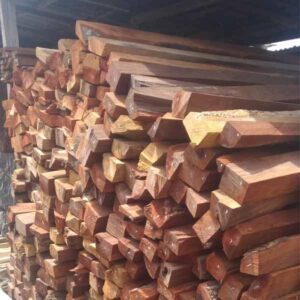
Eku wood is graded based on dimensions, moisture content, grain consistency, and visible defects.
Palmadex follows standardized grading systems aligned with export requirements. Furthermore, we inspect timber carefully before shipment. Therefore, buyers receive consistent quality across all orders.
6. How Does Palmadex Prevent Defects?
Defects such as splits, insect damage, or warping can reduce timber value and usability.
Palmadex conducts inspections at multiple processing stages. Additionally, we store timber in controlled environments to reduce moisture-related damage. These measures help maintain product integrity.
7. How Does Palmadex Ensure Export-Ready Quality?
Before shipment, Palmadex performs final checks on dimensions, grading, moisture content, and packaging.
Furthermore, we supervise container loading to prevent transit damage. Consequently, buyers receive export-ready Eku wood that arrives in excellent condition.
Conclusion
Exporting premium Eku wood requires disciplined sourcing, proper logging, controlled seasoning, and strict grading standards. Palmadex manages each stage carefully to ensure consistent Nigerian Eku wood quality.
By combining structured quality control with efficient export coordination, Palmadex delivers timber that meets global buyer expectations.
Eku Wood Export Specifications (Typical)
Product: Eku Wood (Logs or Sawn Timber)
Moisture Content: 12–20% (depending on specification)
Dimensions: As per buyer requirements
Grade: Export grade (as specified)
Defects: Minimal, within acceptable tolerance
Packaging: Bundled and containerized
Origin: Nigeria
Durability Class: Suitable for structural and industrial applications
Contact Us Today
Emails: [email protected] | [email protected]
Phone/WhatsApp: +2348066579079