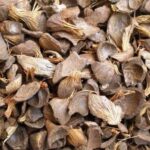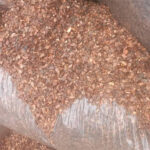
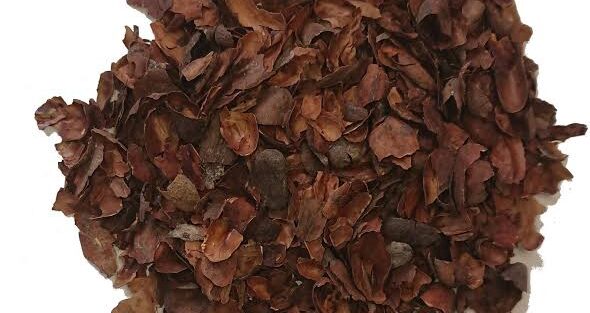
Cocoa shells are widely used in biomass energy, animal feed, and agricultural applications. However, exporting high-quality cocoa shells from Nigeria requires strict control over sourcing, separation, drying, cleaning, and grading. Buyers often face challenges such as high moisture content, contamination, low shell purity, and inconsistent particle size.
Palmadex addresses these challenges through structured sourcing and disciplined quality management. In this Q&A guide, we explain how Palmadex ensures premium Nigerian cocoa shells quality for global buyers.
1. Where Does Palmadex Source Cocoa Shells?
Palmadex sources cocoa shells from established cocoa processing centers in Nigeria. These facilities generate shells during cocoa bean processing and roasting.
First, we partner with reliable processors who maintain proper handling standards. Additionally, we verify supplier consistency and output quality. As a result, buyers receive stable and dependable supply.
2. How Are Cocoa Shells Separated?
Cocoa shells are separated from cocoa beans during roasting and winnowing processes.
Palmadex ensures efficient separation to minimize contamination with cocoa nibs or dust. Moreover, we supervise processing stages to maintain high shell purity. Therefore, the final product meets industrial and export requirements.
3. How Does Palmadex Ensure Proper Drying?
Moisture control is essential for cocoa shells, especially for storage and biomass applications. High moisture can lead to mold growth and reduced efficiency.
Palmadex dries cocoa shells under controlled conditions to achieve safe moisture levels. In addition, we monitor drying performance closely. As a result, the shells remain stable during storage and shipment.
4. How Are Cocoa Shells Cleaned?
After drying, cocoa shells are cleaned to remove dust, fibers, and foreign materials.
Palmadex supervises cleaning processes carefully. Workers inspect and sort the shells to ensure purity. Consequently, buyers receive clean, export-grade cocoa shells.
5. What Grading Standards Does Palmadex Apply?
Cocoa shells are graded based on purity, particle size, and moisture content.
Palmadex aligns grading with buyer specifications. Furthermore, we maintain consistency across batches. Therefore, each shipment meets agreed quality standards.
6. How Does Palmadex Prevent Contamination?
Contamination can occur during handling, storage, or transport if proper procedures are not followed.
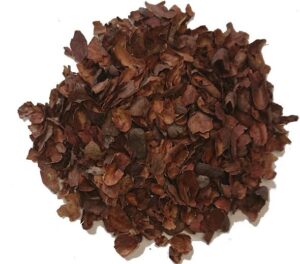
Palmadex uses clean storage facilities and ensures proper ventilation. Additionally, we enforce strict hygiene standards during handling. These measures protect product quality.
7. How Does Palmadex Ensure Export-Ready Quality?
Before shipment, Palmadex conducts final inspections on moisture levels, shell purity, and particle consistency.
Furthermore, we supervise packaging and container loading to prevent contamination and damage. Consequently, buyers receive cocoa shells that meet international standards.
Conclusion
Exporting premium cocoa shells requires careful control over sourcing, separation, drying, cleaning, and grading. Palmadex manages each stage of the supply chain to ensure consistent Nigerian cocoa shells quality.
By combining disciplined processing with efficient export coordination, Palmadex delivers cocoa shells that meet global buyer expectations.
Cocoa Shells Export Specifications (Typical)
Product: Cocoa Shells
Moisture Content: ≤ 10–12%
Foreign Matter: ≤ 1–2%
Purity: High shell content, minimal nib residue
Particle Size: As per buyer specification
Packaging: Bulk or jumbo bags (buyer specification)
Origin: Nigeria
Shelf Life: Long-term under proper dry storage
Contact Us Today
Emails: [email protected] | [email protected]
Phone/WhatsApp: +2348066579079