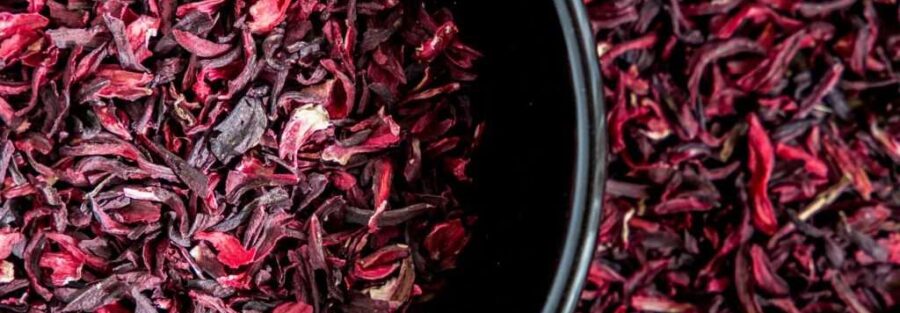
Nigerian dried hibiscus flowers are valued in international markets for their rich colour, distinctive tart flavour, and versatility in herbal teas, beverages, and food processing. However, buyers need more than attractive-looking flowers. They require consistent quality, controlled moisture, cleanliness, and suitable packaging to protect their investment.
Palmadex helps international buyers source Nigerian dried hibiscus flowers with attention to product specifications, careful handling, and export preparation. Our quality-focused approach supports importers seeking dependable supplies for commercial use.
1. Careful Sourcing and Product Selection
Quality begins with selecting suitable dried hibiscus flowers. Differences in harvesting, drying, and handling can affect colour, cleanliness, aroma, and overall product condition.
Palmadex encourages buyers to establish clear quality expectations before confirming an order. These may include the preferred flower variety, colour, grade, intended application, and acceptable levels of foreign matter.
This approach helps align sourcing decisions with the requirements of tea manufacturers, beverage producers, wholesalers, and herbal product businesses.
2. Colour Retention and Appearance
The deep red colour of dried hibiscus flowers is an important quality indicator for many buyers. Excessive exposure to sunlight, heat, moisture, and unsuitable storage conditions can cause colour deterioration.
Proper post-harvest drying and appropriate storage help preserve the flowers’ natural appearance. Buyers should communicate their colour and visual grading requirements before purchase.
Where colour consistency is commercially important, sample evaluation can help buyers assess whether the product meets their expectations.
3. Proper Drying and Moisture Control
Moisture control is essential because inadequately dried hibiscus flowers may develop mould, unpleasant odours, or other signs of deterioration during storage and transportation.
Palmadex emphasizes the importance of suitable drying practices and moisture assessment against agreed specifications. Buyers should confirm the maximum acceptable moisture level for their intended use and destination market.
Appropriate drying helps improve storage stability, while dry, well-ventilated storage conditions help protect the product before shipment.
4. Cleanliness and Foreign-Matter Removal
Export buyers expect dried hibiscus flowers to be free from excessive dust, stones, stalks, and other unwanted materials. Poor cleaning can reduce product value and create additional processing costs.
Quality checks should assess the visible condition of the flowers and the presence of foreign matter. Buyers can also specify acceptable limits for stalks, dust, and other impurities.
For food and beverage applications, buyers should identify any additional hygiene, contaminant-testing, or food safety requirements that apply to their markets.
5. Protection Against Contamination
Dried hibiscus flowers can be affected by insects, mould, chemical residues, and contamination during harvesting, handling, or storage.
Suitable handling procedures, clean storage areas, pest management, and appropriate packaging help reduce these risks. Depending on the destination and intended application, buyers may require laboratory tests for pesticide residues, microbiological hazards, or other contaminants.
Palmadex encourages buyers to agree on relevant testing requirements before shipment to ensure that quality expectations are clearly understood.
6. Suitable Packaging and Storage
Packaging helps protect dried hibiscus flowers from moisture, contamination, and physical damage during transportation. The appropriate option depends on the order size, shipping method, storage conditions, and buyer preferences.
Palmadex can discuss suitable packaging arrangements according to availability and buyer specifications. Before dispatch, packaging should be checked for damage and suitability for the intended journey.
The product should also remain in clean, dry storage away from direct sunlight, excessive heat, strong odours, and moisture.
7. Quality Verification Before Export
Pre-shipment checks help buyers assess whether the consignment meets the agreed requirements. Depending on the order, these checks may cover:
- Colour and general appearance.
- Moisture content.
- Cleanliness and foreign-matter levels.
- Signs of mould, pests, or unusual odours.
- Packaging condition and shipment quantity.
- Required laboratory results and supporting documents.
Where necessary, buyers can arrange independent inspection or laboratory testing using agreed sampling procedures.
Key Takeaway
Premium Nigerian dried hibiscus flowers require careful sourcing, proper drying, moisture control, cleanliness, suitable packaging, and appropriate quality verification.
Palmadex works with buyers to clarify product requirements and discuss export arrangements that support their intended applications. Confirming specifications and inspection procedures before shipment helps establish realistic expectations and supports more dependable sourcing.
Product Export Specifications
- Product: Nigerian Dried Hibiscus Flowers
- Product Type: Dried Hibiscus Calyces
- Grade: Export Grade, Subject to Buyer Requirements
- Colour: Natural Red, According to Agreed Specification
- Moisture Content: According to Buyer Specification
- Foreign Matter: Minimal, Within Agreed Limits
- Packaging: Suitable Export Bags, Subject to Buyer Requirements
- Origin: Nigeria
- Applications: Herbal Tea, Beverage Production, Food Processing, and Herbal Products
Final moisture limits, grading, testing requirements, packaging, and certifications must be confirmed for each order.
Contact Us Today
Looking for a supplier of Nigerian dried hibiscus flowers for your import, wholesale, or processing business? Contact Palmadex to discuss product specifications, bulk quantities, packaging, and export requirements.
Emails: [email protected] | [email protected]
Phone/WhatsApp: +2348066579079