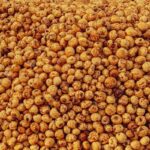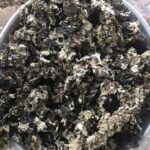
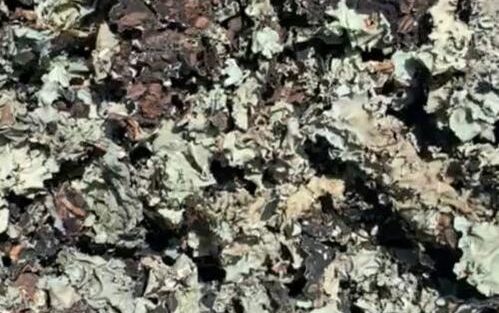
Stone flower (Kalpasi) is a niche but highly valued aromatic ingredient used in spice blends, traditional cuisine, and specialty food manufacturing across global markets. Because of its natural growth pattern and sensitivity to moisture and contamination, stone flower requires careful sourcing, handling, and quality control to meet export standards. Inconsistent harvesting practices, poor cleaning, or improper drying can easily compromise aroma, appearance, and shelf life. At Palmadex, stone flower exports are managed through a structured quality framework designed to deliver clean, aromatic, and export-ready Kalpasi to international buyers. This extended Q&A provides a detailed look into how Palmadex controls sourcing, processing, quality assurance, and export readiness for premium Nigerian stone flower.
Q&A: The Palmadex Stone Flower (Kalpasi) Quality Framework
Q1: Where does Palmadex source stone flower (Kalpasi) in Nigeria?
Palmadex sources stone flower from carefully identified regions in Nigeria where natural environmental conditions support proper aroma development and structural integrity. These sourcing areas are selected based on historical availability, harvesting expertise, and accessibility for quality monitoring. By working with trusted local collectors and aggregation points, Palmadex maintains consistency in supply while ensuring traceability across batches.
Q2: How does Palmadex control harvesting practices to protect quality?
Stone flower is harvested manually using controlled collection techniques that minimize contamination and physical damage. Palmadex emphasizes selective harvesting, avoiding overexposure to moisture, soil, or foreign materials. Harvesters are guided to collect only mature, intact stone flower to preserve aroma strength and visual quality.
Q3: What steps are taken to prevent contamination after harvest?
Immediately after collection, stone flower is handled in clean, dry environments to reduce contamination risks. Palmadex enforces strict handling protocols that limit contact with dust, debris, and moisture. Early-stage sorting removes visibly contaminated material before cleaning begins.
Q4: How does Palmadex clean stone flower to export standards?
Cleaning is performed through a combination of manual sorting and visual inspection to remove sand, stones, plant matter, and other foreign materials. This careful approach ensures that the delicate structure of stone flower is preserved while achieving export-grade cleanliness that meets buyer specifications.
Q5: How are drying and moisture levels controlled?
Drying is one of the most critical stages in stone flower export. Palmadex applies controlled drying methods that reduce moisture to safe levels without damaging aroma or texture. Moisture is monitored to prevent mold growth and to ensure long shelf life during storage and transit.
Q6: How does Palmadex preserve aroma and sensory quality?
Aroma preservation is achieved through proper drying, minimal handling, and suitable storage conditions. Stone flower is stored away from excessive heat, humidity, and strong external odors. Packaging is selected to protect aroma integrity throughout international transit.
Q7: What final quality assurance checks are done before export?
Before shipment, Palmadex conducts final quality checks covering moisture content, cleanliness, aroma strength, batch uniformity, packaging integrity, and labeling accuracy. Only consignments that meet agreed buyer specifications are approved for export.
Conclusion
Exporting high-quality stone flower from Nigeria requires precision at every stage, from harvesting and cleaning to drying and shipment preparation. Palmadex’s structured quality framework addresses the unique sensitivities of Kalpasi by focusing on aroma preservation, contamination control, and moisture stability. Through disciplined sourcing, careful processing, and rigorous final inspections, Palmadex delivers export-grade stone flower that meets international buyer expectations. This commitment to quality and consistency makes Palmadex a dependable partner for global buyers seeking premium Nigerian stone flower supply.
Stone Flower (Kalpasi) Export Specifications (Typical)
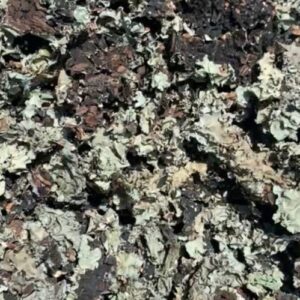
Product: Dried Stone Flower (Kalpasi)
Moisture Content: ≤ 10–12%
Foreign Matter: ≤ 1%
Aroma: Natural, strong, intact
Packaging: PP bags or cartons (customizable)
Origin: Nigeria
Shelf Life: Up to 12 months under proper storage
Contact Us Today
For export inquiries, specifications, or sampling requests:
Emails: [email protected] | [email protected]
Phone/WhatsApp: +2348066579079