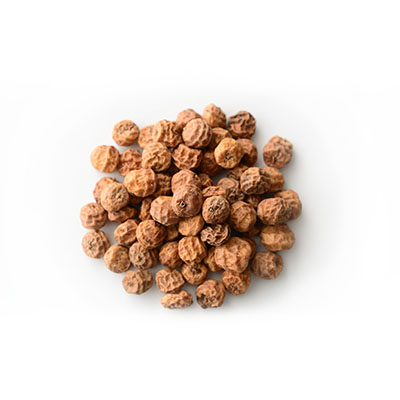
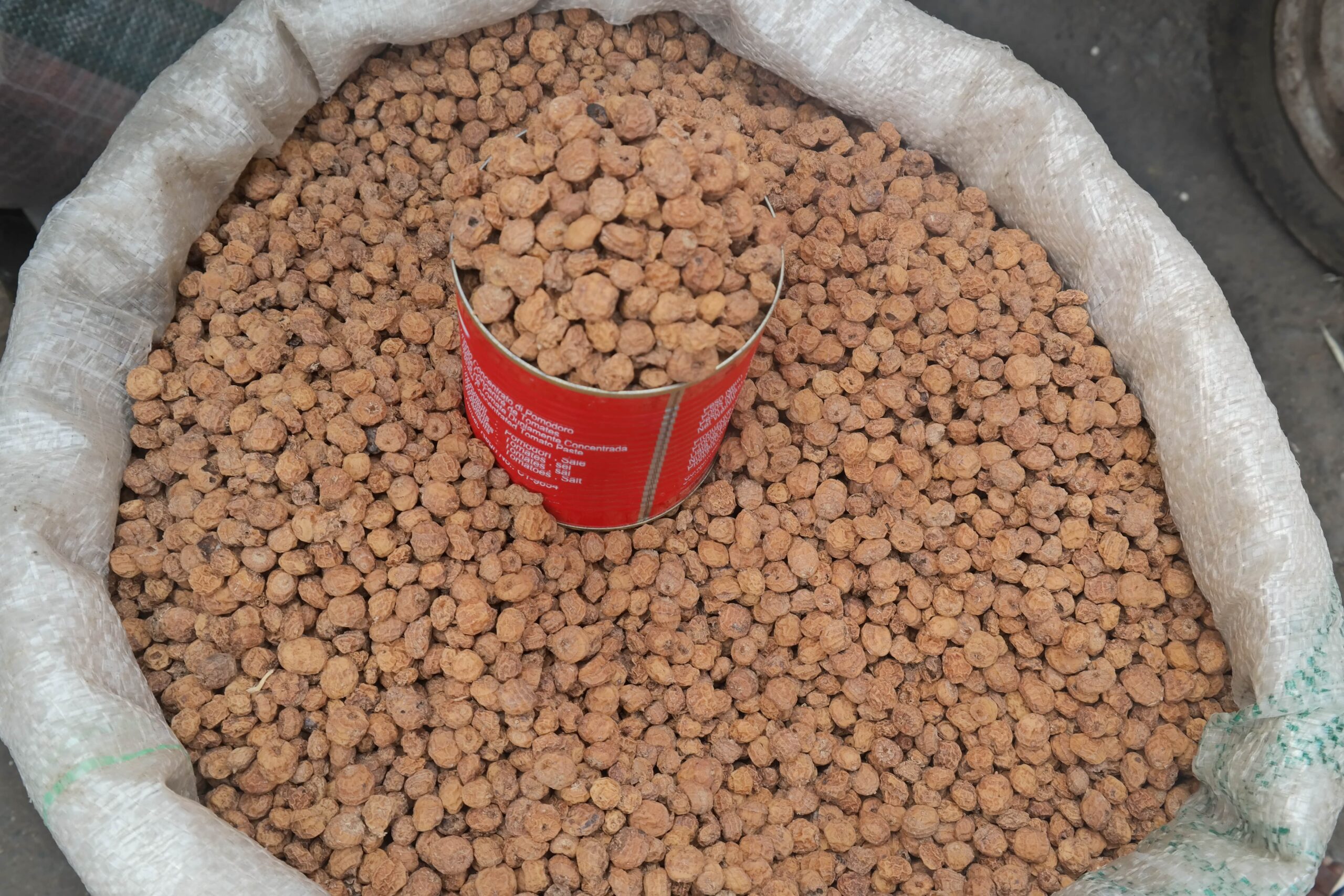
As global demand for tiger nuts grows across food processing, beverage manufacturing, and health-focused industries, international buyers increasingly prioritize suppliers that can deliver consistency, compliance, and reliable logistics. Nigeria remains one of the leading sources of tiger nuts, but variability in quality, traceability gaps, and export delays often create challenges for importers. Palmadex has positioned itself as a dependable export partner by building structured sourcing systems, export-grade quality controls, and compliant logistics processes. This conversation explains why global buyers trust Palmadex for consistent tiger nut supply from Nigeria and how the company manages reliability, traceability, export compliance, and international shipment execution.
Q&A: Why Buyers Choose Palmadex
Q1: How does Palmadex ensure consistent tiger nut supply volumes?
Palmadex works with established farmer networks and aggregation centers across Nigeria’s major tiger nut–producing regions. This diversified sourcing structure reduces dependency on a single location and ensures steady volumes across seasons while maintaining quality consistency.
Q2: What traceability systems does Palmadex apply?
Each tiger nut batch is tracked from aggregation through processing, storage, and shipment. Batch identification and documentation records allow buyers to trace product origin, processing timelines, and inspection outcomes, supporting transparency and accountability.
Q3: How does Palmadex manage export compliance for tiger nuts?
Palmadex prepares all required export documentation, including phytosanitary certificates, fumigation records, certificates of origin, and inspection reports. Documentation readiness is aligned with destination-country requirements to reduce customs clearance delays.
Q4: What logistics practices support reliable delivery?
Palmadex plans shipments around confirmed booking timelines, container availability, and documentation completion. Containers are loaded under supervision to ensure packaging integrity, moisture protection, and accurate labeling before dispatch.
Q5: How does Palmadex reduce risk for international buyers?
By combining quality control, traceability, compliance management, and proactive logistics coordination, Palmadex minimizes shipment disruptions, specification disputes, and clearance challenges for buyers importing from Nigeria.
Conclusion
Consistency in tiger nut exports requires disciplined sourcing, transparent traceability, and reliable logistics execution. Palmadex has built export systems that address the most common buyer concerns, from quality variability and compliance gaps to shipment delays. Through structured aggregation, export-grade processing, and documentation precision, Palmadex delivers tiger nuts that meet agreed specifications and arrive on schedule. For global buyers seeking a Nigerian supplier capable of supporting long-term supply relationships, Palmadex continues to stand out as a trusted export partner.
Tiger Nut Export Specifications (Typical)
Product: Dried Tiger Nuts
Moisture Content: ≤ 10–12%
Foreign Matter: ≤ 1%
Packaging: PP bags or jute bags (customizable)
Origin: Nigeria
Shelf Life: Up to 12 months under proper storage
Contact Us Today
For export inquiries, specifications, or sampling requests:
Emails: [email protected] | [email protected]
Phone/WhatsApp: +2348066579079
Palmadex — delivering consistent, export-ready Nigerian tiger nuts to global markets.