Buying Nigerian soya bean meal requires careful attention to protein content, moisture, purity, feed safety, packaging, and export documentation. For international feed manufacturers, livestock producers, and commodity traders, choosing a reliable supplier can make the import process significantly easier.
Palmadex provides international buyers with a structured sourcing process designed to support quality, compliance, and efficient delivery.
Step 1: Define Your Requirements
Start by identifying your required quantity, protein specification, moisture level, packaging, destination, and intended feed application.
Clear requirements allow Palmadex to prepare a suitable supply proposal.
Step 2: Submit Your Inquiry
Send your product requirements to Palmadex.
Our team will confirm availability, discuss specifications, provide commercial information, and outline suitable shipping options.
Step 3: Request a Product Sample
Sampling allows buyers to evaluate the soya bean meal before placing a bulk order.
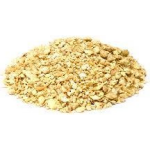
Buyers can assess appearance, texture, cleanliness, moisture, and other agreed quality parameters.
Step 4: Confirm Protein Specifications
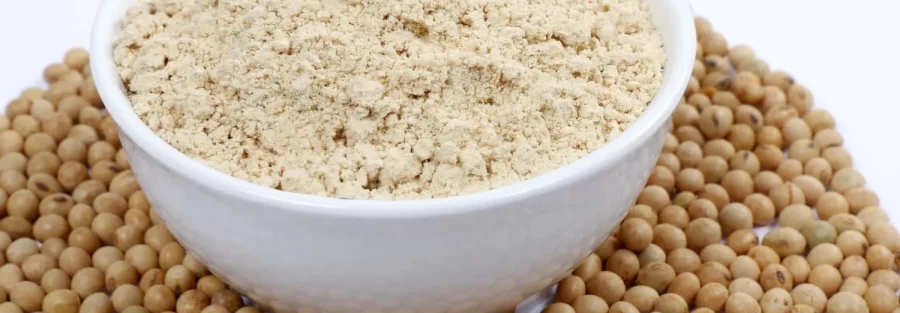
Protein content is one of the most important considerations for animal feed manufacturers.
Confirm the required protein level and any additional nutritional specifications before finalizing the order.
Step 5: Verify Product Quality
Before shipment, Palmadex verifies the product against the agreed specifications.
Quality checks may include protein content, moisture, foreign matter, appearance, packaging, and other buyer-specific requirements.
Step 6: Finalize the Contract
Once the product and commercial terms are approved, both parties finalize the supply agreement.
The contract should clearly state quantity, specifications, pricing, payment terms, delivery conditions, and shipment schedules.
Step 7: Prepare Export Documentation
Proper documentation is essential for international trade.
Depending on the destination, documents may include:
- Commercial Invoice
- Packing List
- Certificate of Origin
- Bill of Lading
- Quality or Inspection Certificate
- Laboratory Test Report, where required
Step 8: Confirm Packaging and Labeling
Packaging should protect the soya bean meal throughout transportation.
Palmadex prepares packaging and labeling according to agreed buyer and destination-market requirements, including product identification, weight, origin, and batch information where applicable.
Step 9: Coordinate Shipment
Palmadex coordinates container loading, documentation, shipping arrangements, and logistics with experienced partners.
This structured process helps minimize avoidable delays and supports efficient delivery.
Step 10: Receive Your Shipment
Once the soya bean meal arrives, buyers can inspect the shipment against the agreed specifications.
Successful transactions can also lead to long-term supply partnerships, helping buyers secure a dependable source of Nigerian soya bean meal for future orders.
Key Takeaway
Importing Nigerian soya bean meal becomes easier when every stage is properly planned. From inquiry and sampling to protein verification, contracting, documentation, shipment, and delivery, a structured process reduces purchasing risks.
Palmadex supports international buyers with quality-focused sourcing, professional export management, and dependable logistics for Nigerian soya bean meal.
Soya Bean Meal Export Specifications
- Product: Nigerian Soya Bean Meal
- Protein Content: According to Buyer Specification
- Moisture Content: According to Buyer Specification
- Grade: Export Grade
- Foreign Matter: Minimal
- Packaging: 50kg PP Bags or Bulk, According to Buyer Specification
- Origin: Nigeria
- Applications: Poultry Feed, Livestock Feed, Aquaculture Feed, Animal Nutrition
Contact Us Today
Palmadex is a trusted supplier of Nigerian soya bean meal for international feed manufacturers, traders, and distributors.
Emails: [email protected] | [email protected]
Phone/WhatsApp: +2348066579079