Importing Nigerian soya beans can be a profitable opportunity for food manufacturers, edible oil processors, animal feed producers, and commodity traders. However, successful sourcing depends on selecting a reliable supplier, confirming product quality, and ensuring every stage of the export process is professionally managed.
Palmadex simplifies international sourcing by supplying premium Nigerian soya beans backed by strict quality assurance, export expertise, and efficient logistics. This 10-step playbook explains how to buy Nigerian soya beans with confidence.
Step 1: Define Your Product Requirements
Every successful purchase starts with clear specifications.
Determine your preferred purity level, moisture content, packaging type, quantity required, destination country, and intended application. Providing detailed requirements helps Palmadex recommend the most suitable export solution.
Step 2: Submit Your Inquiry
Once your requirements are established, send a detailed inquiry to Palmadex.
Our team will review your request, confirm product availability, prepare a quotation, and discuss the most appropriate shipping and delivery options for your business.
Step 3: Review Product Specifications
Before placing an order, carefully review the proposed product specifications.
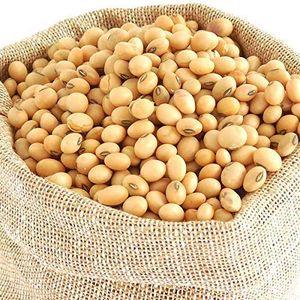
Key quality parameters include:
- Purity level
- Moisture content
- Foreign matter
- Packaging options
- Available quantity
- Export grade
Confirming these details ensures the shipment meets your commercial and processing requirements.
Step 4: Request Product Samples
Sampling allows buyers to evaluate product quality before committing to a bulk purchase.
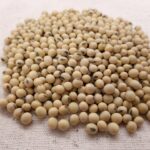
Samples can be assessed for cleanliness, bean size, colour, moisture level, purity, and overall suitability for food processing, feed production, or oil extraction.
Step 5: Confirm Pricing and Commercial Terms
After approving the sample, both parties should agree on the commercial terms.
This typically includes pricing, payment terms, Incoterms, shipment schedules, delivery timelines, and other contractual obligations. Clear agreements help ensure transparent and efficient business transactions.
Step 6: Finalize the Supply Contract
A formal contract protects both the buyer and supplier.
The agreement should clearly define product specifications, quantity, quality standards, pricing, payment conditions, shipment schedules, and delivery responsibilities before export preparation begins.
Step 7: Verify Product Quality
Before shipment, Palmadex conducts final quality inspections to confirm the soya beans comply with the agreed specifications.
Quality verification typically includes checks for purity, moisture content, foreign matter, damaged beans, packaging condition, and overall export readiness.
Step 8: Review Export Documentation
Complete and accurate documentation is essential for successful international trade.
Typical export documents include:
- Commercial Invoice
- Packing List
- Certificate of Origin
- Phytosanitary Certificate
- Bill of Lading
- Inspection Reports (where applicable)
Proper documentation supports smooth customs clearance and helps minimize unnecessary delays.
Step 9: Coordinate Shipment and Delivery
Reliable logistics help ensure products arrive safely and on schedule.
Palmadex coordinates packaging, container loading, export documentation, shipping schedules, and transportation with experienced logistics partners to support efficient global deliveries.
Step 10: Receive Your Shipment and Build a Long-Term Partnership
Upon delivery, inspect the shipment to verify it meets the agreed quality specifications.
Many buyers choose to build long-term partnerships with Palmadex because of our dependable supply, consistent product quality, responsive communication, and professional export support.
Key Takeaway
Buying Nigerian soya beans becomes straightforward when you follow a structured procurement process. From inquiry and sampling to quality verification, export documentation, shipment coordination, and final delivery, every step helps reduce risk and improve purchasing confidence.
Palmadex supports international buyers throughout the export journey by supplying premium Nigerian soya beans, professional export services, and dependable logistics for global markets.
Soya Bean Export Specifications
- Product: Nigerian Soya Beans
- Grade: Export Grade
- Purity: 98% Minimum (Buyer Specification)
- Moisture Content: 12% Maximum
- Foreign Matter: Minimal
- Packaging: 50kg PP Bags or Buyer Specification
- Origin: Nigeria
- Applications: Food Processing, Animal Feed, Edible Oil Production, Soy Flour, Industrial Processing
Contact Us Today
Palmadex is a trusted supplier of premium Nigerian soya beans for international buyers.
Emails: [email protected] | [email protected]
Phone/WhatsApp: +2348066579079