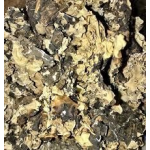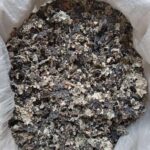
Exporting Stone Flowers, commonly known as Kalpasi, requires more than preparing the product and arranging transportation. International buyers and destination countries may have specific requirements covering product quality, food safety, documentation, packaging, labelling, and phytosanitary controls.
Palmadex uses a structured compliance process to help ensure Nigerian Kalpasi shipments are prepared according to agreed buyer specifications and applicable export requirements.
1. Confirm Buyer Specifications
Begin by documenting the buyer’s requirements. These may include product type, quantity, moisture level, foreign matter limits, appearance, packaging, labelling, and intended application.
Clear specifications provide the basis for quality preparation and help prevent misunderstandings later in the transaction.
2. Verify Product Identity and Quality
Stone Flowers should be correctly identified and assessed before export preparation. The product should be checked for general condition, appearance, cleanliness, and suitability for the intended use.
Palmadex focuses on sourcing and preparing material that matches the agreed product description.
3. Control Moisture
Moisture is an important consideration for dried botanical products. Excess moisture can contribute to mould, deterioration, odour changes, and reduced shelf stability.
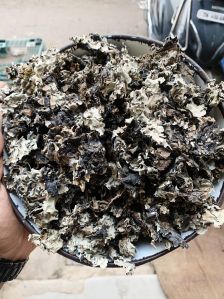
Palmadex pays attention to drying and storage conditions while working toward the moisture level specified by the buyer.
4. Control Foreign Matter
Dirt, debris, and other unwanted materials can affect product quality and may create problems for food processors.
Cleaning and sorting should therefore be carried out to reduce foreign matter. The acceptable level should be agreed with the buyer and aligned with applicable requirements.
5. Consider Food Safety Requirements
Where Kalpasi is intended for food or spice applications, the shipment may need to meet relevant food safety requirements in the destination market.
Importers should identify applicable standards before placing an order so the sourcing and preparation process can address the required specifications.
6. Check Phytosanitary Requirements
Some destinations may require phytosanitary documentation or other plant-health controls for dried botanical products.
Requirements can vary by destination and product classification. Palmadex can coordinate applicable documentation where required for the specific shipment.
7. Prepare the Certificate of Origin
A Certificate of Origin may be required to establish that the product was exported from Nigeria.
The document should accurately correspond with the shipment and other commercial records.
8. Prepare Commercial Export Documents
Export shipments generally require accurate commercial documentation. Depending on the transaction, this may include:
- Commercial invoice
- Packing list
- Certificate of origin
- Inspection documents where required
- Transport and shipping documents
- Other destination-specific documentation
All documents should be checked for consistency before shipment.
9. Confirm Packaging and Labelling
Packaging should protect the Stone Flowers throughout handling, transportation, and storage.
Labels should also reflect applicable buyer and destination requirements, including product identification, quantity, origin, and other required information.
10. Conduct Final Pre-Shipment Checks
Before the shipment leaves Nigeria, the product and documentation should be reviewed against the agreed order.
Final checks may cover quantity, cleanliness, moisture requirements, foreign matter, packaging, labelling, documentation, and shipping details.
Common Compliance Mistakes to Avoid
International buyers and exporters should avoid:
- Using unclear product specifications
- Ignoring destination-country requirements
- Allowing excessive moisture
- Neglecting foreign matter control
- Using unsuitable packaging
- Providing inconsistent documents
- Leaving documentation until the last minute
- Failing to verify buyer-specific requirements before shipment
Addressing these issues early can reduce delays and complications.
How Palmadex Supports Compliance
Palmadex helps coordinate the sourcing, quality preparation, packaging, documentation, and shipment stages of Nigerian Stone Flowers exports.
Because requirements can vary between buyers and destinations, the export process is organized around the specific order rather than relying on a single standard for every shipment.
Key Takeaway
A compliant Kalpasi export requires attention to product identity, quality, moisture, foreign matter, food safety, phytosanitary requirements where applicable, documentation, packaging, labelling, and final verification.
Palmadex helps international buyers coordinate these requirements when sourcing Nigerian Stone Flowers for global markets.
Product Export Specifications
- Product: Nigerian Stone Flowers (Kalpasi)
- Type: Dried Stone Flowers
- Grade: Export Grade
- Moisture: According to Buyer Specification
- Foreign Matter: Minimal, According to Buyer Specification
- Colour & Aroma: Natural, According to Buyer Specification
- Packaging: 25kg, 50kg PP Bags, or Buyer Specification
- Origin: Nigeria
- Applications: Spice Blends, Food Processing, Culinary Products, Seasoning, Traditional Food Applications
Contact Us Today
Are you sourcing Nigerian Stone Flowers and need support with quality preparation, export documentation, packaging, and shipment coordination?
Palmadex is ready to discuss your requirements and help structure your Kalpasi order around your product specifications and destination requirements.
Contact Us Today to begin your Nigerian Stone Flowers sourcing process.
Emails: [email protected] | [email protected]
Phone/WhatsApp: +2348066579079