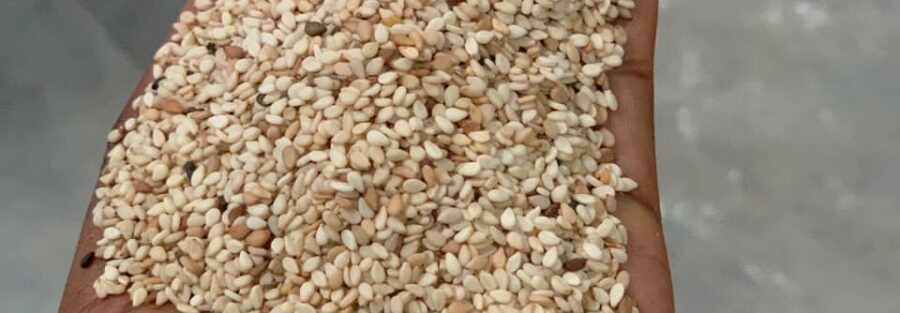
Exporting Nigerian sesame seeds successfully requires more than supplying a quality product. International buyers expect shipments to comply with destination country regulations, supported by accurate documentation, proper packaging, and verified quality standards. Meeting these requirements helps reduce customs delays, protects product integrity, and ensures smooth international trade.
Palmadex supports buyers through every stage of the export process. This practical checklist highlights the key compliance requirements for importing premium Nigerian sesame seeds.
Obtain the Required Export Certificates
Every importing country has its own regulatory requirements.
One of the most important documents is the Phytosanitary Certificate, which confirms that the sesame seeds have been inspected and meet the plant health requirements of the destination country. Buyers should also confirm whether any additional certifications are required before shipment.
Verify the Certificate of Origin
A Certificate of Origin confirms that the sesame seeds were sourced and exported from Nigeria.
This document is commonly required for customs clearance, tariff assessment, trade agreements, and product traceability. Having the correct certificate helps simplify the import process.
Confirm Product Quality Before Shipment
Quality inspections help ensure the shipment meets the agreed specifications.
Palmadex carries out quality verification before export, including checks for:
- Purity level
- Moisture content
- Foreign matter
- Seed uniformity
- Packaging condition
- Overall export readiness
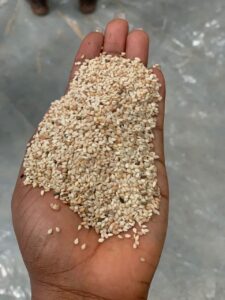
These inspections help buyers receive consistent export-quality sesame seeds.
Prepare Complete Export Documentation
Accurate documentation is essential for international trade.
Depending on the destination market, export documents may include:
- Commercial Invoice
- Packing List
- Certificate of Origin
- Phytosanitary Certificate
- Bill of Lading
- Inspection Reports (where applicable)
Proper documentation helps facilitate customs clearance and minimizes unnecessary delays.
Use Export-Standard Packaging
Proper packaging protects sesame seeds during handling, storage, and international transportation.
Palmadex uses export-grade packaging designed to reduce contamination, control moisture exposure, and preserve product quality throughout the shipping process. Packaging can also be customized to meet buyer requirements.
Ensure Products Are Properly Labeled
Accurate labeling supports traceability and regulatory compliance.
Depending on customer and destination market requirements, labels may include:
- Product name
- Country of origin
- Net weight
- Batch or lot number
- Exporter information
- Buyer-specific labeling requirements
Proper labeling improves shipment identification and customs processing.
Confirm Buyer Requirements Before Shipment
Different buyers may have unique quality, packaging, or documentation preferences.
Palmadex reviews all buyer specifications before shipment to ensure product quality, packaging, documentation, labeling, and delivery instructions align with contractual requirements.
Key Takeaway
Successful sesame seed exports depend on careful preparation. Proper certifications, quality inspections, export documentation, packaging, labeling, and compliance with buyer requirements all contribute to efficient international trade.
Palmadex manages these critical export processes to help buyers import premium Nigerian sesame seeds with confidence while reducing compliance risks.
Sesame Seed Export Specifications
- Product: Nigerian Sesame Seeds
- Grade: Export Grade
- Purity: 99% Minimum (Buyer Specification)
- Moisture Content: 8% Maximum
- Foreign Matter: Minimal
- Packaging: 25kg or 50kg PP Bags or Buyer Specification
- Origin: Nigeria
- Applications: Food Processing, Bakery, Confectionery, Edible Oil Production, Animal Feed
Contact Us Today
Palmadex is a trusted supplier of premium Nigerian sesame seeds for international buyers.
Emails: [email protected] | [email protected]
Phone/WhatsApp: +2348066579079