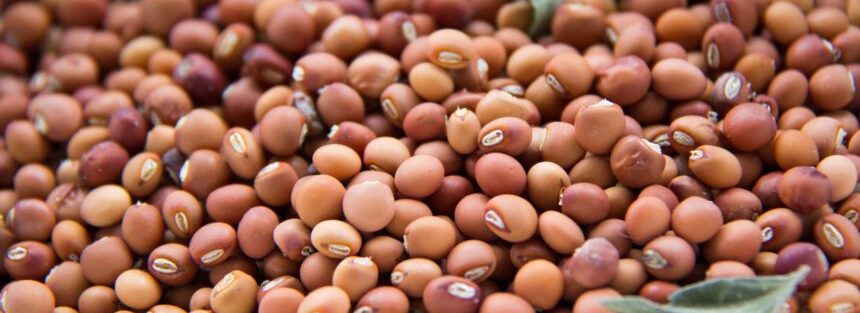
Exporting pigeon peas successfully requires more than sourcing quality products. International buyers and regulatory authorities expect exporters to comply with documentation, quality, packaging, and shipment requirements before products can enter destination markets.
Understanding export compliance helps reduce delays, prevent shipment rejections, and support smooth international trade transactions. Palmadex assists buyers and importers by ensuring that export procedures are properly managed throughout the supply chain.
1. Why Is a Phytosanitary Certificate Important for Pigeon Pea Exports?
Many countries require a phytosanitary certificate to confirm that imported agricultural products meet plant health standards and are free from regulated pests and diseases.
This document helps facilitate customs clearance and provides assurance regarding the condition of the exported pigeon peas.
2. Why Is a Certificate of Origin Required?
A certificate of origin verifies the country where the pigeon peas were produced or sourced.
Importers often require this document for customs procedures, trade agreements, tariff considerations, and regulatory compliance within their destination markets.
3. What Quality Inspections Should Be Conducted Before Export?
Quality inspections help verify that pigeon peas meet agreed commercial specifications before shipment.
Typical inspection areas include:
- Moisture content
- Purity levels
- Foreign matter content
- Grain uniformity
- Packaging condition
- General product quality
These inspections help reduce the risk of disputes and quality-related claims.
4. What Export Documentation Is Typically Required?
Export transactions generally require supporting documentation to facilitate international trade.
Common export documents may include:
- Commercial Invoice
- Packing List
- Certificate of Origin
- Phytosanitary Certificate
- Bill of Lading
- Inspection Reports (where applicable)
Accurate documentation helps avoid customs delays and shipment complications.
5. Why Are Packaging Standards Important?
Proper packaging protects pigeon peas from contamination, moisture exposure, and physical damage during transportation.
Export-grade packaging also helps maintain product quality throughout storage, handling, and delivery to the final destination.
6. Are Labeling Requirements Necessary?
Many importing countries have labeling requirements that must be followed before products can enter the market.
Labels may include product information, country of origin, net weight, batch details, and other importer-specific requirements.
7. How Does Palmadex Support Export Compliance?
Palmadex works to ensure that export shipments are prepared in accordance with buyer specifications and applicable export requirements.
The company assists with quality verification, packaging coordination, documentation preparation, and shipment management to support smoother export transactions.
8. Why Does Export Compliance Matter for International Buyers?
Compliance helps reduce operational risks, prevent shipment delays, and improve supply chain efficiency.
When export requirements are properly managed, buyers can receive products more efficiently while minimizing customs and regulatory challenges.
Conclusion
Export compliance plays a critical role in the successful international trade of pigeon peas. Proper documentation, quality inspections, packaging standards, and regulatory requirements help ensure smooth customs clearance and successful delivery.
Palmadex supports international buyers by helping manage key compliance requirements and delivering export-ready Nigerian pigeon peas that meet commercial expectations.
Pigeon Pea Export Specifications
- Product: Nigerian Pigeon Peas
- Grade: Export Grade
- Moisture Content: 12–14% Maximum
- Purity: 98% Minimum
- Foreign Matter: 2% Maximum
- Packaging: 25kg, 50kg PP Bags or Buyer Specification
- Origin: Nigeria
- Applications: Food Processing, Animal Feed, Flour Production, Household Consumption
Contact Us Today
Palmadex is a trusted supplier of export-quality Nigerian pigeon peas for international buyers.
Emails: [email protected] | [email protected]
Phone/WhatsApp: +2348066579079