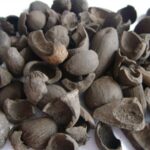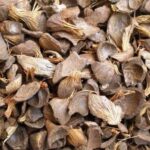
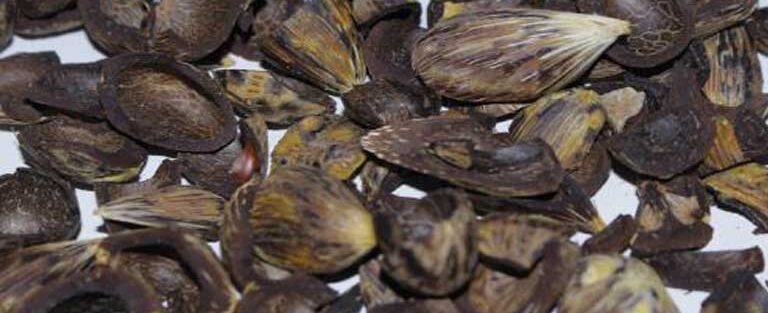
Exporting palm kernel shells (PKS) from Nigeria requires strict adherence to international trade regulations. Importing countries demand accurate documentation to verify product safety, origin, and quality. However, missing or incorrect documents can lead to costly delays or shipment rejection.
Palmadex simplifies this process through a structured compliance checklist. By managing certifications, inspections, and labeling efficiently, we ensure smooth customs clearance and reliable delivery. This guide outlines the key compliance requirements for exporting Nigerian PKS.
1. Why Is a Phytosanitary Certificate Required?
A phytosanitary certificate confirms that palm kernel shells are free from pests and plant-related risks. Most importing countries require this document for agricultural products.
Palmadex secures the phytosanitary certificate from authorized Nigerian agencies. As a result, shipments meet international plant health standards.
2. Why Is Fumigation Necessary?
Fumigation eliminates insects and reduces contamination risks during storage and transit.
Palmadex ensures all PKS shipments undergo approved fumigation procedures. Consequently, the cargo complies with import regulations and remains safe during transport.
3. What Is the Role of the Certificate of Origin?
The certificate of origin verifies that the palm kernel shells were sourced and processed in Nigeria.
Palmadex prepares this document for every shipment. Therefore, buyers can benefit from proper tariff classification and smooth customs processing.
4. How Are Pre-Shipment Inspections Conducted?
Pre-shipment inspections confirm that PKS meet agreed specifications such as moisture content, cleanliness, and particle size.
Palmadex performs internal quality checks and coordinates third-party inspections when required. As a result, buyers receive verified, export-ready products.
5. Why Is Export Labeling Important?
Accurate labeling ensures proper identification and handling of cargo. Labels typically include product name, weight, origin, and batch information.
Palmadex ensures all packaging complies with international labeling standards. This improves traceability and simplifies customs procedures.
6. What Additional Export Documents Are Required?
In addition to regulatory certificates, exporters must provide commercial documents such as invoices, packing lists, and bills of lading.
Palmadex prepares and verifies all required documents before shipment. Consequently, buyers receive a complete documentation package for efficient clearance.
7. How Does Palmadex Simplify Compliance for Buyers?
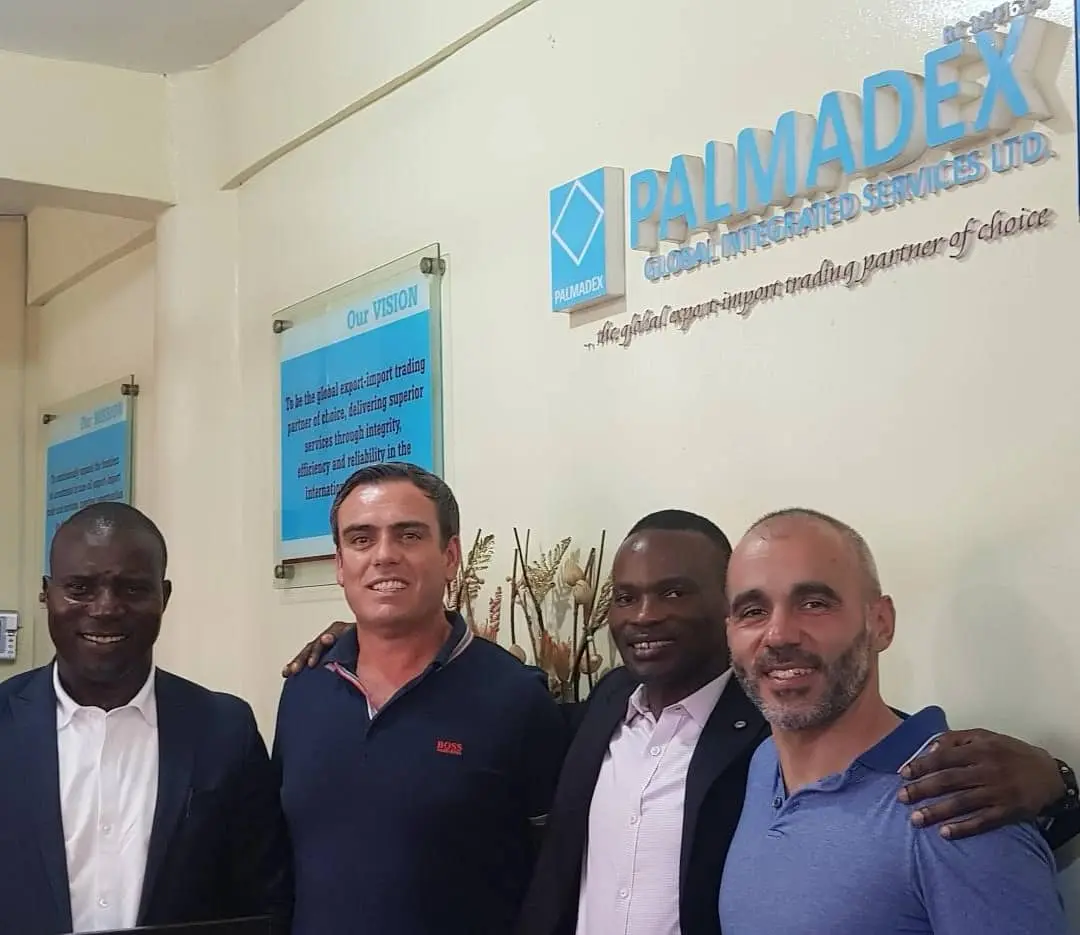
Export compliance can be complex, especially for new buyers. Palmadex manages documentation, certification, and shipment coordination from start to finish.
Furthermore, we provide buyers with all documents before shipment departure. This transparency reduces delays and builds confidence.
Conclusion
Export compliance is essential for successful palm kernel shells trade. Palmadex ensures that every shipment includes phytosanitary certificates, fumigation reports, certificates of origin, inspections, and proper labeling.
By following this structured checklist, Palmadex enables buyers to import Nigerian PKS efficiently and without complications.
Palm Kernel Shells Export Specifications (Typical)
Product: Palm Kernel Shells (PKS)
Moisture Content: ≤ 10–15%
Foreign Matter: ≤ 1–2%
Particle Size: As per buyer specification
Ash Content: As per industrial requirement
Packaging: Bulk or jumbo bags (buyer specification)
Origin: Nigeria
Shelf Life: Long-term under proper dry storage
Contact Us Today
Emails: [email protected] | [email protected]
Phone/WhatsApp: +2348066579079