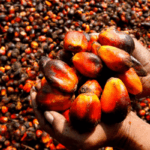

Nigerian palm oil remains an important agricultural export because of its wide applications in food production, cosmetics, soap manufacturing, and other industries. However, international buyers need more than just a supplier. They need dependable product quality, suitable packaging, and consistent export preparation.
At Palmadex, we focus on helping international buyers source Nigerian palm oil that meets their agreed specifications. Through careful supplier selection, product assessment, quality checks, and proper shipment preparation, we work to make every order more reliable.
1. Careful Selection of Palm Oil Suppliers
Quality begins at the sourcing stage. Palm oil can vary in colour, freshness, processing quality, and purity depending on its source and handling.
Palmadex works with suppliers who understand the requirements of bulk agricultural trade. We assess available products against the buyer’s expectations before proceeding with an order.
This approach helps us reduce the risk of supplying palm oil that does not match the agreed requirements.
2. Checking Colour and Appearance
Colour is one of the first characteristics buyers notice when evaluating Nigerian palm oil. Depending on the processing method and intended application, buyers may require a particular shade of orange-red or reddish-orange.
We pay attention to the product’s appearance during quality assessment. We also encourage buyers to communicate their preferred colour range and intended use before confirming an order.
This helps establish clear expectations and reduces disagreements during delivery.
3. Assessing Freshness and Product Condition

Poor storage and prolonged exposure to unsuitable conditions can affect palm oil quality. Oxidation, unpleasant odours, and changes in product characteristics may reduce its suitability for certain applications.
Palmadex considers freshness and general product condition during sourcing and inspection. We also encourage appropriate storage and handling throughout the preparation and transportation process.
For buyers with specific requirements, additional laboratory testing can help verify important quality parameters before shipment.
4. Monitoring Moisture and Impurities
Excess moisture and unwanted particles can affect palm oil quality and storage stability.
We pay attention to visible impurities, sediment, and general cleanliness when assessing available supplies. Where required, buyers can specify acceptable moisture levels and impurity limits.
We also encourage laboratory analysis when the transaction requires measurable confirmation of these parameters.
5. Matching Palm Oil to Buyer Specifications
Not every buyer needs the same type of palm oil. Food manufacturers, industrial processors, and cosmetic producers may have different technical requirements.
Before sourcing, Palmadex works to establish important details such as:
- Intended application and required grade.
- Preferred colour and appearance.
- Moisture and impurity limits.
- Free fatty acid (FFA) requirements.
- Quantity and delivery schedule.
- Packaging and labelling preferences.
Clear specifications help us identify suitable products and prepare orders according to the buyer’s needs.
6. Suitable Packaging and Storage
Packaging plays an important role in maintaining product condition during transportation. Poor containers can cause leakage, contamination, or unnecessary handling problems.
Palmadex coordinates suitable packaging based on order volume, shipping arrangements, and buyer requirements. Options may include food-grade drums, jerrycans, or other appropriate bulk packaging.
We also consider secure sealing, proper labelling, and suitable storage conditions before dispatch.
7. Pre-Shipment Quality Checks
Before shipment, we coordinate checks to confirm that the product and packaging correspond with the agreed order specifications.
Depending on the buyer’s requirements, this process may include:
- Visual inspection of colour and appearance.
- Assessment of packaging integrity.
- Verification of quantity.
- Review of available laboratory test results.
- Confirmation of shipping and product documentation.
Where independent inspection or laboratory certification is required, arrangements can be made with the relevant service provider.
8. Reliable Export Preparation
Good product quality must go hand in hand with proper export preparation. Buyers need accurate documentation and suitable shipping arrangements to support smooth international trade.
Palmadex assists with export coordination, packaging preparation, documentation, and shipment arrangements from Nigeria. We also encourage buyers to confirm destination-country food safety, labelling, and import requirements before shipment.
Conclusion
Sourcing quality Nigerian palm oil requires careful supplier selection, clear specifications, proper handling, and effective pre-shipment checks. Palmadex brings these considerations together to help international buyers source palm oil with greater confidence.
Whether you need palm oil for food processing, industrial production, or other commercial applications, we can help coordinate your sourcing and export requirements.
Nigerian Palm Oil Export Specifications
- Product: Nigerian Crude Palm Oil
- Origin: Nigeria
- Product Type: Crude Red Palm Oil
- Colour: Natural Orange-Red to Reddish-Orange
- Quality Parameters: Subject to agreed buyer specifications
- Moisture and Impurities: According to buyer requirements
- FFA: According to agreed specification
- Packaging: Food-grade drums, jerrycans, or suitable bulk packaging
- Supply: Subject to availability and order volume
- Applications: Food Processing, Soap Production, Cosmetics, and Industrial Manufacturing
- Port of Loading: Lagos, Nigeria
Contact Us Today
Source Nigerian palm oil through Palmadex. Contact our team to discuss your required grade, quantity, packaging, and destination.
Emails: [email protected] | [email protected]
Phone/WhatsApp: +2348066579079