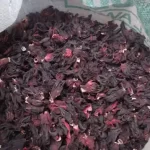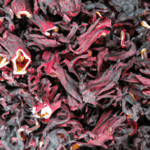

Nigerian dried hibiscus flowers offer opportunities for exporters serving tea manufacturers, beverage producers, wholesalers, and food processors. However, maintaining product quality from sourcing to delivery requires careful handling, suitable packaging, and accurate export documentation.
International buyers need flowers that meet agreed specifications and arrive in acceptable condition. Palmadex focuses on clear quality requirements and organized export preparation to help buyers manage common sourcing challenges.
1. Colour Loss During Storage
The natural red colour of dried hibiscus flowers influences their appeal to many beverage and herbal tea manufacturers. Excessive sunlight, heat, and unsuitable storage can cause colour deterioration.
How Palmadex addresses it: Buyers can specify their colour and appearance requirements before ordering. Proper drying, suitable packaging, and storage away from direct sunlight help preserve product quality.
2. Excess Moisture and Mould
Inadequate drying or exposure to damp conditions can encourage mould, unpleasant odours, and deterioration. Such problems may reduce product value or make a shipment unsuitable for its intended use.
How Palmadex addresses it: Moisture limits should be agreed in advance and checked where required. Clean, dry storage and appropriate transport conditions help protect flowers during handling and shipment.
3. Foreign Matter and Poor Cleaning
Dust, stones, stalks, and other unwanted materials can affect product quality and increase processing costs for importers.

How Palmadex addresses it: Buyers should specify acceptable foreign-matter limits and required cleaning standards. Visual inspections and agreed sampling procedures help assess whether the product meets expectations.
4. Contamination and Food Safety Risks
Dried hibiscus may face contamination risks during harvesting, drying, handling, or storage. Depending on the destination and intended application, buyers may also need to consider pesticide residues, microbiological hazards, and other contaminants.
How Palmadex addresses it: Buyers should identify applicable food safety standards before ordering. Where required, laboratory testing and supporting quality documents can help demonstrate compliance with agreed requirements.
5. Inconsistent Product Quality
Differences in colour, moisture, cleanliness, and grading can make repeat purchasing difficult. Inconsistent deliveries may also disrupt production schedules.
How Palmadex addresses it: Documented product specifications help establish consistent expectations. Buyers should confirm their required grade, appearance, moisture limit, and acceptable impurity levels before each order.
6. Packaging and Handling Problems
Unsuitable packaging can expose dried hibiscus flowers to moisture, contamination, and physical damage during transportation. Poor storage before loading can also affect product condition.
How Palmadex addresses it: Packaging should match the shipment size and buyer requirements. Confirm bag weight, packaging material, labelling, and storage conditions before dispatch. Transport containers should be clean, dry, and suitable for the cargo.
7. Incomplete Export Documentation
Missing certificates or inconsistent shipment information can cause customs delays and additional charges. Requirements vary by destination and product use.
How Palmadex addresses it: Buyers should confirm documentation requirements with their customs broker and relevant authorities before shipment. Depending on the destination, documents may include a commercial invoice, packing list, bill of lading, certificate of origin, certificate of analysis, or applicable regulatory certificates.
8. Shipping Delays and Unexpected Costs
Late documentation, unclear delivery terms, and poor coordination can delay shipments or increase costs.
How Palmadex addresses it: Agree on shipment quantities, delivery terms, document deadlines, and responsibilities before dispatch. Buyers should also confirm freight, insurance, inspection costs, and destination charges when evaluating quotations.
Key Takeaway
Successful dried hibiscus exports depend on colour preservation, moisture control, cleanliness, food safety, appropriate packaging, and accurate documentation. Addressing these factors early helps buyers reduce avoidable risks and protect product value.
Palmadex works with buyers to clarify specifications and discuss sourcing and export arrangements for Nigerian dried hibiscus flowers. Clear agreements before shipment support better purchasing decisions and more predictable transactions.
Product Export Specifications
- Product: Nigerian Dried Hibiscus Flowers
- Product Type: Dried Hibiscus Calyces
- Grade: Export Grade, Subject to Buyer Requirements
- Colour: Natural Red, According to Agreed Specification
- Moisture Content: According to Buyer Specification
- Foreign Matter: Minimal, Within Agreed Limits
- Packaging: Suitable Export Bags, Subject to Buyer Requirements
- Origin: Nigeria
- Applications: Herbal Tea, Beverage Production, Food Processing, and Herbal Products
Final quality limits, testing requirements, packaging, and certifications must be confirmed for each order.
Contact Us Today
Looking for a Nigerian dried hibiscus flower supplier? Contact Palmadex to discuss product specifications, bulk quantities, quality checks, packaging, and export arrangements.
Emails: [email protected] | [email protected]
Phone/WhatsApp: +2348066579079