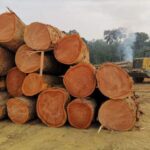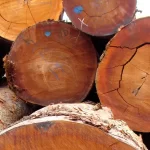
Exporting Bubinga wood from Nigeria requires strict compliance with forestry regulations and international trade standards. Importing countries require accurate documentation to confirm legal sourcing, product quality, and shipment safety. However, incomplete or incorrect paperwork can lead to customs delays, penalties, or shipment rejection.
Palmadex simplifies this process through a structured export compliance system. By managing permits, certifications, inspections, and documentation efficiently, we ensure smooth customs clearance and reliable delivery. This guide explains the key compliance requirements for exporting Nigerian Bubinga wood.
1. Why Are Forestry Permits Required?
Forestry permits confirm that Bubinga wood has been legally harvested according to Nigerian regulations.
Palmadex works with licensed suppliers and ensures all timber is supported by valid logging and transport permits. As a result, buyers receive legally sourced wood that meets international compliance standards.
2. Is a Phytosanitary Certificate Necessary?
A phytosanitary certificate verifies that the wood is free from pests and harmful organisms.
Palmadex obtains this certificate from authorized Nigerian agencies before shipment. Therefore, buyers can clear goods smoothly at destination ports.
3. What Is the Role of the Certificate of Origin?
The certificate of origin confirms that the Bubinga wood was sourced and processed in Nigeria.
Palmadex prepares this document for every shipment. Consequently, buyers benefit from proper tariff classification and easier customs processing.
4. How Are Timber Inspections Conducted?
Inspections ensure that Bubinga wood meets agreed specifications such as dimensions, moisture content, grain quality, and grading standards.
Palmadex performs internal quality checks and arranges third-party inspections when required. As a result, buyers receive verified, export-ready timber.
5. Why Is Proper Export Documentation Important?
Accurate documentation supports efficient international trade and customs clearance. Required documents commonly include:
- Commercial Invoice
- Packing List
- Bill of Lading
- Export Permit
- Inspection Reports
Palmadex prepares and verifies all documentation before shipment. This process reduces compliance risks and shipment delays.
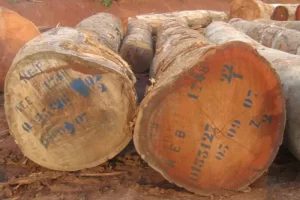
6. How Does Palmadex Ensure Proper Labeling and Marking?
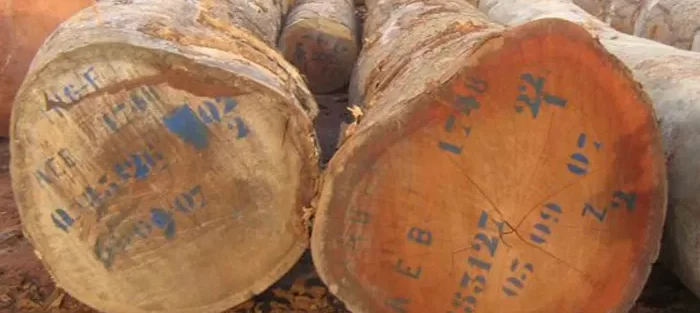
Correct labeling improves cargo identification, traceability, and handling efficiency.
Palmadex ensures that each timber bundle includes markings such as product type, dimensions, origin, and batch identification. Consequently, customs inspections and logistics operations become more efficient.
7. How Does Palmadex Simplify Compliance for Buyers?
Export compliance can be challenging for international timber buyers. Palmadex manages the entire process from sourcing to shipment.
Additionally, we provide buyers with complete documentation before cargo departure. As a result, import procedures become smoother and more predictable.
Conclusion
Export compliance is essential for successful Bubinga wood trade. Palmadex ensures that every shipment includes valid permits, phytosanitary certification, certificates of origin, inspections, and complete export documentation.
By following this structured compliance checklist, Palmadex enables buyers to import Nigerian Bubinga wood efficiently, legally, and without unnecessary delays.
Bubinga Wood Export Specifications (Typical)
Product: Bubinga Wood (Logs or Sawn Timber)
Moisture Content: 12–20% (depending on specification)
Dimensions: As per buyer requirements
Grade: Export grade (as specified)
Defects: Minimal, within acceptable tolerance
Packaging: Bundled and containerized
Origin: Nigeria
Applications: Luxury furniture, flooring, veneers, decorative woodworking
Contact Us Today
Emails: [email protected] | [email protected]
Phone/WhatsApp: +2348066579079