Exporting dried bay leaves from Nigeria presents several challenges for international buyers. Common issues include poor moisture control, loss of aroma, contamination, inconsistent grading, and shipment delays. If these risks are not managed properly, they can reduce product quality and disrupt supply chains.
Palmadex addresses these challenges through structured sourcing, strict quality control, and reliable export coordination. In this expert discussion, we explain the most common bay leaves export challenges and how Palmadex solves them for global buyers.
1. How Does Palmadex Control Moisture Levels?
Excess moisture can lead to mold growth and product deterioration during storage and transit. Therefore, moisture control is essential for dried bay leaves.
Palmadex ensures that bay leaves are properly dried before packaging. Additionally, we monitor moisture levels to keep them within export standards. As a result, the leaves remain stable throughout shipment.
2. How Does Palmadex Preserve Aroma?
Aroma is a key quality factor for bay leaves. Poor drying or exposure to humidity can reduce fragrance and affect product value.
Palmadex controls drying conditions carefully to retain natural aroma. Furthermore, we store bay leaves in ventilated environments to prevent odor loss. Consequently, buyers receive leaves with strong and consistent aroma.
3. How Are Contamination Risks Prevented?
Contamination can occur during handling, storage, or transportation if proper procedures are not followed. Dust, foreign matter, and pests can reduce product quality.
Palmadex enforces strict hygiene standards during cleaning and sorting. In addition, we store bay leaves in clean, controlled facilities. These measures help maintain product purity.
4. How Does Palmadex Address Grading Inconsistencies?
Inconsistent grading can lead to mixed quality shipments and buyer dissatisfaction. Uniformity is important for food processing and spice blending.
Palmadex applies standardized grading based on leaf size, color, and condition. Moreover, we align each batch with buyer specifications. Therefore, shipments remain consistent.
5. How Are Shipment Delays Reduced?
Shipment delays can result from poor planning, incomplete documentation, or port congestion. These delays can disrupt buyer operations.
Palmadex prepares documentation in advance and coordinates logistics efficiently. Additionally, we monitor shipment schedules closely. As a result, deliveries are timely and predictable.
6. How Does Palmadex Handle Bulk Orders?
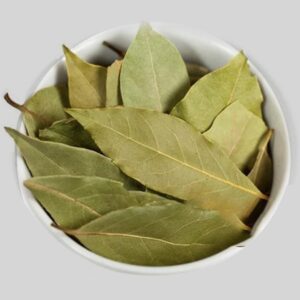
Large orders can increase the risk of inconsistency if not managed properly.
Palmadex organizes bulk shipments into traceable batches. At the same time, we maintain grading and moisture standards. Consequently, buyers receive uniform quality even in large volumes.
7. How Do Buyers Benefit from Palmadex Solutions?
By solving key export challenges, Palmadex provides buyers with reliable supply chains. Buyers benefit from consistent quality, reduced risks, and efficient delivery.
Furthermore, transparent communication and complete documentation strengthen long-term partnerships.
Conclusion
Bay leaves exports require careful management of moisture, aroma, cleanliness, grading, and logistics. Without proper control, these challenges can affect product quality and trade performance.
Palmadex solves these issues through disciplined sourcing, structured processing, and efficient export coordination. As a result, international buyers receive high-quality Nigerian bay leaves with consistent performance and reliable delivery.
Bay Leaves Export Specifications (Typical)
Product: Dried Bay Leaves
Moisture Content: ≤ 10–12%
Foreign Matter: ≤ 1–2%
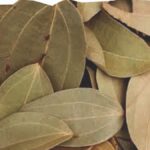
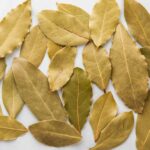
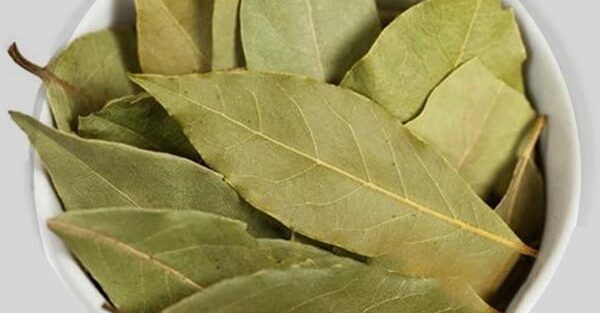
Color: Green to olive green
Form: Whole dried leaves
Packaging: 10kg–25kg cartons or PP bags (buyer specification)
Origin: Nigeria
Shelf Life: Up to 18–24 months under proper storage
Contact Us Today
Emails: [email protected] | [email protected]
Phone/WhatsApp: +2348066579079