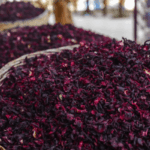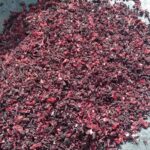

Exporting Nigerian dried hibiscus flowers requires careful preparation to meet buyer specifications and destination-country regulations. Importers must consider product quality, food safety, packaging, labelling, and shipping documents before the goods leave Nigeria.
Palmadex helps buyers clarify export requirements and product specifications before confirming orders. This checklist outlines eight important steps for preparing dried hibiscus flowers for international markets.
1. Confirm Product Specifications
Start by documenting the quality requirements for your intended application. Herbal tea manufacturers, beverage producers, and food processors may have different acceptance criteria.
Confirm the following before ordering:
- Product type and grade.
- Natural colour and appearance.
- Maximum moisture content.
- Acceptable foreign-matter levels.
- Packaging and labelling requirements.
Written specifications help buyers and suppliers assess whether the product meets the agreed conditions.
2. Verify Moisture and Product Condition
Excess moisture can encourage mould growth, unpleasant odours, and deterioration during storage or transit. Buyers should establish an acceptable moisture limit and agree on how it will be measured.
Where required, request moisture test results or arrange independent inspection. Also check for visible mould, insect damage, unusual odours, and signs of poor storage.

3. Review Food Safety Requirements
Dried hibiscus intended for beverages or food processing may need to meet specific food safety standards. Depending on the destination, buyers may require testing for pesticide residues, microbiological hazards, heavy metals, or other contaminants.
Confirm the relevant limits with your importer, laboratory, and destination-country authorities. Agree on any testing and documentation requirements before shipment.
4. Confirm Cleaning and Foreign-Matter Limits
Excessive dust, stones, stalks, and other unwanted materials can reduce product value and increase processing costs.
Specify acceptable foreign-matter levels and any additional cleaning requirements. Visual inspection and appropriate sampling can help determine whether the product meets the agreed standard.
5. Prepare Export and Quality Documents
Accurate documents support customs clearance and help verify shipment details. Depending on the transaction and destination, documents may include:
- Commercial invoice.
- Packing list.
- Bill of lading or applicable transport document.
- Certificate of origin, where required.
- Certificate of analysis, where requested.
- Phytosanitary certificate or other regulatory documents, where applicable.
Requirements vary by country and product classification. Confirm them before dispatch to avoid preventable delays.
6. Check Packaging and Labelling
Packaging should protect dried hibiscus flowers from moisture, contamination, and physical damage during transportation.
Confirm bag weight, packaging material, labelling details, shipment quantity, and any palletization requirements. Labels and shipping documents should provide consistent product descriptions and other required information.
7. Arrange Pre-Shipment Inspection
Inspection helps buyers verify that the consignment matches the agreed specifications before it leaves the supplier’s facility.
Depending on the purchase agreement, checks may cover colour, moisture, cleanliness, foreign matter, packaging condition, and quantity. Buyers can arrange third-party inspection or laboratory testing when necessary.
Agree on sampling methods, acceptance criteria, and responsibility for inspection costs in advance.
8. Confirm Destination-Country Import Rules
Import requirements differ between markets. Some destinations may require prior permits, food business registration, specific labelling, or additional certificates.
Importers should consult their customs broker and relevant authorities before shipment. Confirming these rules early helps prevent clearance problems and unexpected costs.
Key Takeaway
Successful dried hibiscus flower exports depend on clear product specifications, food safety checks, suitable packaging, accurate documents, and compliance with destination-country rules.
Palmadex encourages buyers to confirm these requirements before placing orders. Early preparation helps both parties understand their responsibilities and supports a more organized export process.
Product Export Specifications
- Product: Nigerian Dried Hibiscus Flowers
- Product Type: Dried Hibiscus Calyces
- Grade: Export Grade, Subject to Buyer Requirements
- Colour: Natural Red, According to Agreed Specification
- Moisture Content: According to Buyer Specification
- Foreign Matter: Minimal, Within Agreed Limits
- Packaging: Suitable Export Bags, Subject to Buyer Requirements
- Origin: Nigeria
- Applications: Herbal Tea, Beverage Production, Food Processing, and Herbal Products
Final specifications, laboratory tests, packaging, and certificates must be confirmed for each order and destination market.
Contact Us Today
Planning to import Nigerian dried hibiscus flowers? Contact Palmadex to discuss quality specifications, bulk quantities, packaging, and export documentation requirements.
Emails: [email protected] | [email protected]
Phone/WhatsApp: +2348066579079