
Buying Nigerian tiger nuts for international trade requires more than finding a supplier and agreeing on a price. Importers need clear product specifications, reliable quality verification, suitable packaging, accurate documentation, and coordinated shipping.
This 10-step playbook explains how international buyers can source Nigerian tiger nuts through Palmadex with a structured and practical process from initial inquiry to delivery.
1. Define Your Tiger Nut Requirements
Start by identifying your exact requirements. Specify the quantity, intended application, preferred tiger nut size, moisture level, packaging format, destination country, and any quality standards that apply to your market.
Clear specifications help Palmadex understand your order and prepare a suitable sourcing proposal.
2. Send a Detailed Inquiry
Provide your required quantity, delivery destination, packaging preference, product application, and expected purchasing timeline. If you have previously used a particular specification, include it.
A detailed inquiry allows the sourcing process to move faster and reduces misunderstandings.
3. Review Product Samples
For larger international orders, request a sample where appropriate. Examine the tiger nuts for appearance, cleanliness, size consistency, dryness, foreign matter, and other characteristics important to your business.
Sampling provides an opportunity to confirm that the product matches your expectations before final contracting.
4. Confirm Quality Specifications
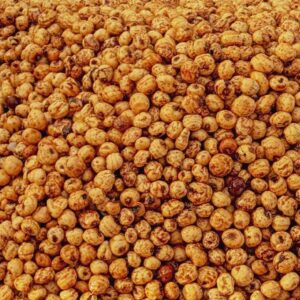
Agree on measurable quality requirements before placing the order. These may include moisture, size, foreign matter limits, cleanliness, packaging, and other buyer-specific specifications.
Palmadex can align the sourcing and preparation process with the agreed requirements.
5. Verify the Commercial Terms
Before proceeding, confirm the quantity, price, payment terms, packaging, delivery terms, inspection arrangements, and expected shipment schedule.
Putting these details into a clear commercial agreement helps both parties understand their responsibilities and reduces avoidable disputes.
6. Approve Final Quality Requirements
Before shipment, quality should be checked against the agreed specifications. This may include inspection of product condition, packaging, cleanliness, moisture requirements, and quantity.
Final verification helps ensure the shipment is prepared according to the buyer’s approved order.
7. Prepare Export Documentation
International tiger nut shipments require appropriate export and commercial documentation. Depending on the transaction and destination, documents may include commercial invoices, packing lists, certificates of origin, inspection documents, and phytosanitary documentation where applicable.
Palmadex coordinates the documentation process according to the shipment requirements.
8. Confirm Packaging and Labelling
Tiger nuts should be packed in suitable export packaging that protects the product during handling, transportation, and storage.
Packaging and labels should reflect the agreed buyer requirements and destination-country rules, including product identification, quantity, origin, and other required information.
9. Coordinate Shipment
Once quality, documentation, packaging, and commercial requirements are confirmed, shipment arrangements can proceed.
Palmadex coordinates with relevant logistics partners and keeps the buyer informed about important shipment details, helping reduce delays and communication gaps.
10. Receive and Inspect the Shipment
After arrival, inspect the shipment against the agreed order and documentation. Check the quantity, packaging condition, product quality, and any other contractual requirements.
A properly documented inspection also creates useful records for future purchases and helps establish a stronger long-term sourcing relationship.
Why Use Palmadex for Nigerian Tiger Nut Sourcing?
Palmadex provides international buyers with a structured sourcing process focused on product specifications, quality preparation, export documentation, packaging, and shipment coordination.
Rather than treating every order the same way, the sourcing process can be aligned with the buyer’s quantity, quality, packaging, destination, and application requirements.
Key Takeaway
Successful Nigerian tiger nut importing starts with clear specifications and continues through sampling, quality verification, proper contracting, documentation, packaging, shipment coordination, and final inspection.
By following these ten steps, international buyers can approach Nigerian tiger nut sourcing with greater clarity and better control over the purchasing process.
Product Export Specifications
- Product: Nigerian Tiger Nuts
- Type: Dried Tiger Nuts
- Grade: Export Grade
- Moisture: According to Buyer Specification
- Foreign Matter: Minimal, According to Buyer Specification
- Size: According to Buyer Specification
- Packaging: 25kg, 50kg PP Bags, or Buyer Specification
- Origin: Nigeria
- Applications: Tiger Nut Milk, Beverages, Snacks, Flour Production, Food Processing, Health Food Products
Contact Us Today
Are you looking to buy Nigerian tiger nuts in bulk for your international business?
Palmadex can support your sourcing requirements with buyer-focused specifications, quality preparation, export documentation, suitable packaging, and shipment coordination.
Contact Us Today to discuss your quantity, quality, packaging, destination, and delivery requirements.
Emails: [email protected] | [email protected]
Phone/WhatsApp: +2348066579079