Importing pigeon peas requires careful planning, supplier verification, quality assessment, and proper export coordination. A structured buying process helps importers reduce risks, improve procurement efficiency, and secure products that meet their commercial requirements.
Palmadex supports international buyers throughout the sourcing and export process. This guide outlines ten essential steps for purchasing Nigerian pigeon peas through a reliable and professional export partner.
1. Define Your Product Requirements
The first step is to determine your specific purchasing requirements.
Buyers should identify the required grade, quantity, moisture level, purity standards, packaging specifications, and destination market requirements before making an inquiry.
2. Submit an Inquiry to Palmadex
After defining your requirements, contact Palmadex with detailed product specifications.
Providing clear information enables faster quotations, better planning, and more accurate supply assessments.
3. Review Product Specifications
Carefully evaluate the proposed product specifications before proceeding.
Important factors include:
- Moisture content
- Purity level
- Foreign matter percentage
- Packaging options
- Available quantities
- Intended applications
This step helps ensure that the product aligns with your business needs.
4. Request Product Samples
Sampling allows buyers to assess product quality before committing to a larger purchase.
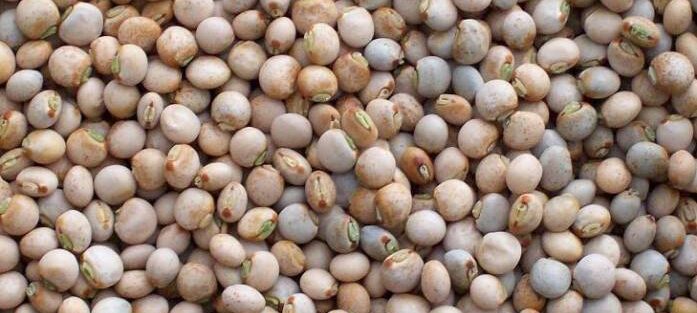
Evaluating samples can help verify grain size, cleanliness, appearance, and overall suitability for the intended market.
5. Confirm Pricing and Commercial Terms
Once product quality has been approved, buyers and suppliers should agree on pricing and commercial conditions.
This typically includes payment terms, delivery schedules, shipment arrangements, and contractual obligations.
6. Finalize the Supply Agreement
A formal agreement establishes clear expectations for both parties.
The contract should define product specifications, quantity, pricing, delivery timelines, and other key transaction details.
7. Conduct Quality Verification
Quality verification is an important step before shipment.
Palmadex performs inspections and quality checks to help ensure that exported pigeon peas meet agreed specifications and export standards.
8. Review Export Documentation
Proper documentation is essential for international trade compliance and customs clearance.
Documents may include:
- Commercial Invoice
- Packing List
- Certificate of Origin
- Phytosanitary Certificate
- Bill of Lading
- Inspection Reports where applicable
Accurate documentation helps minimize delays and administrative challenges.
9. Coordinate Shipment and Logistics
Efficient logistics planning supports timely product delivery.
Palmadex works with logistics partners to coordinate shipments and assist buyers throughout the transportation process.
10. Receive, Inspect, and Build a Long-Term Supply Relationship
Upon arrival, buyers should inspect the shipment and verify that the products meet agreed specifications.
Successful transactions often lead to long-term partnerships that provide supply stability, operational efficiency, and improved procurement planning.
Conclusion
Purchasing Nigerian pigeon peas becomes more efficient when importers follow a structured sourcing and procurement process. From product specification and sampling to documentation and shipment coordination, each step contributes to a successful transaction.
Palmadex helps international buyers navigate the entire export process by providing quality products, professional export support, and reliable supply chain management for Nigerian pigeon pea exports.
Pigeon Pea Export Specifications
- Product: Nigerian Pigeon Peas
- Grade: Export Grade
- Moisture Content: 12–14% Maximum
- Purity: 98% Minimum
- Foreign Matter: 2% Maximum
- Packaging: 25kg, 50kg PP Bags or Buyer Specification
- Origin: Nigeria
- Applications: Food Processing, Animal Feed, Flour Production, Household Consumption
Contact Us Today
Palmadex is a trusted supplier of export-quality Nigerian pigeon peas for international buyers.
Emails: [email protected] | [email protected]
Phone/WhatsApp: +2348066579079