Pigeon peas are increasingly traded across international markets due to their nutritional value and wide range of food applications. However, exporting agricultural commodities successfully requires careful management of quality, storage, logistics, and compliance requirements.
Without proper controls, exporters and importers may encounter challenges that affect product quality, shipment timelines, and customer satisfaction. Palmadex helps address these challenges through professional sourcing, quality assurance, export coordination, and supply chain management.
1. Why Is Moisture Control a Major Challenge in Pigeon Pea Exports?
Excess moisture can lead to mold growth, product deterioration, and reduced shelf life during storage and transportation. Moisture-related issues can also result in quality disputes and shipment rejections.
Palmadex monitors moisture levels throughout processing and storage to help ensure that pigeon peas meet export-grade standards before shipment.
2. How Do Foreign Matter Contamination Issues Affect Exports?
International buyers expect clean agricultural products with minimal foreign materials. The presence of stones, dust, plant debris, or other contaminants can reduce product value and affect buyer confidence.
Palmadex implements cleaning and sorting procedures designed to improve product purity and meet buyer specifications.
3. Why Are Grading Inconsistencies a Concern for Buyers?
Inconsistent grading can create challenges for food processors, wholesalers, and distributors that require uniform products for their operations.
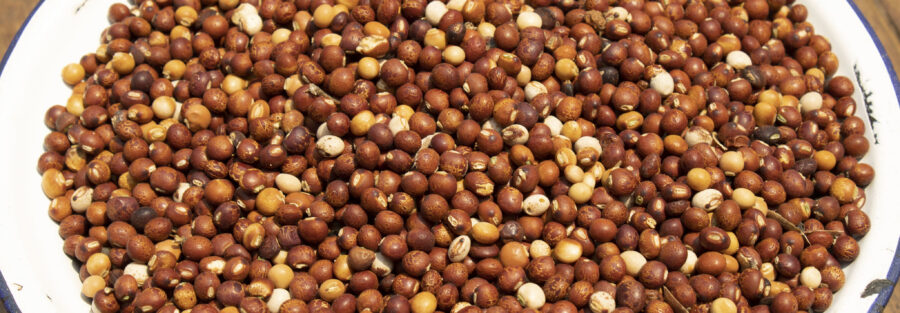
Palmadex follows structured grading procedures to help ensure consistency in grain size, appearance, purity, and overall quality across export shipments.
4. How Can Storage Conditions Impact Pigeon Pea Quality?
Poor storage environments may expose products to moisture, pests, contamination, and quality deterioration.
Palmadex utilizes appropriate storage practices that help protect pigeon peas and preserve product quality until shipment.
5. How Do Pest Infestations Affect Export Shipments?
Agricultural commodities can be vulnerable to insect activity if storage and handling procedures are not properly managed.
Palmadex conducts inspections and applies quality management measures to help reduce pest-related risks throughout the supply chain.
6. Why Are Export Documentation Errors Problematic?
Missing or inaccurate export documents can delay customs clearance, increase costs, and disrupt delivery schedules.
Palmadex assists with export documentation preparation and coordination to help support smoother international transactions.
7. How Can Logistics Challenges Affect International Buyers?
Shipment delays can impact inventory planning, production schedules, and customer commitments in destination markets.
Palmadex works closely with logistics providers and export partners to improve shipment coordination and reduce avoidable delays.
8. How Does Palmadex Provide End-to-End Export Solutions?
Successful exports require coordination across sourcing, quality control, storage, documentation, packaging, and logistics.
Palmadex manages these key activities through a structured export process that helps buyers receive quality Nigerian pigeon peas in a timely and reliable manner.
Conclusion
Pigeon pea exports involve several operational and quality-related challenges that can affect product performance and supply chain efficiency. Moisture management, contamination control, grading consistency, proper storage, documentation accuracy, and logistics planning are all essential to export success.
Palmadex helps international buyers overcome these challenges through professional export services, quality-focused processes, and reliable supply chain management, making Nigerian pigeon pea sourcing more efficient and dependable.
Pigeon Pea Export Specifications
- Product: Nigerian Pigeon Peas
- Grade: Export Grade
- Moisture Content: 12–14% Maximum
- Purity: 98% Minimum
- Foreign Matter: 2% Maximum
- Packaging: 25kg, 50kg PP Bags or Buyer Specification
- Origin: Nigeria
- Applications: Food Processing, Animal Feed, Flour Production, Household Consumption
Contact Us Today
Palmadex is a trusted supplier of export-quality Nigerian pigeon peas for international buyers.
Emails: [email protected] | [email protected]
Phone/WhatsApp: +2348066579079