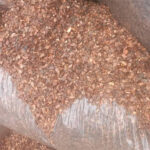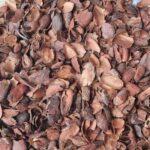
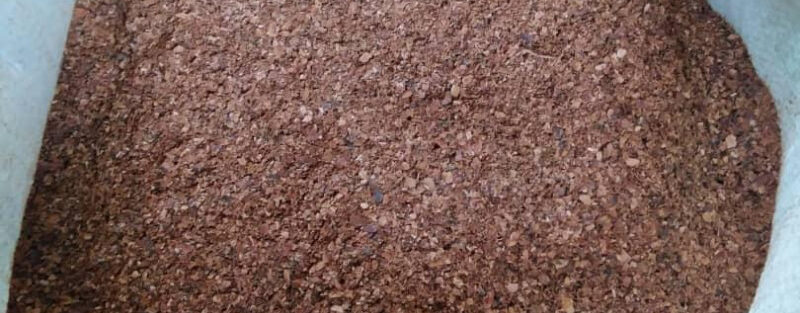
Cocoa shells are widely used in biomass energy, agriculture, and industrial processing. However, exporting cocoa shells from Nigeria presents several quality and logistics challenges. Buyers often encounter issues such as high moisture levels, contamination, low shell purity, inconsistent particle size, and shipment delays.
Palmadex addresses these risks through structured sourcing, strict quality control, and efficient logistics coordination. In this guide, we explain the most common cocoa shells export challenges and how Palmadex solves them for global buyers.
1. How Does Palmadex Control Moisture Levels?
Excess moisture can lead to mold growth, reduced shelf life, and lower efficiency in biomass applications. Therefore, moisture control is essential.
Palmadex ensures proper drying under controlled conditions. Additionally, we test moisture levels before packaging. As a result, cocoa shells remain stable during storage and shipment.
2. How Are Contamination Risks Prevented?
Contamination from dust, fibers, stones, or other foreign materials can reduce product quality and usability.
Palmadex enforces strict cleaning and handling procedures. Furthermore, we store cocoa shells in clean, ventilated environments. These measures help maintain product purity and reduce rejection risks.
3. How Does Palmadex Ensure High Shell Purity?
Low shell purity, including the presence of cocoa nib residues or unwanted materials, can affect industrial performance.
Palmadex supervises separation processes carefully. In addition, we conduct quality checks to ensure high shell content. Consequently, buyers receive cocoa shells that meet required purity standards.
4. How Is Particle Size Consistency Maintained?
Inconsistent particle size can affect processing efficiency and handling during industrial use.
Palmadex applies grading and sorting techniques to achieve uniform particle size. Moreover, we align specifications with buyer requirements. Therefore, the product performs consistently across applications.
5. How Are Shipment Delays Reduced?
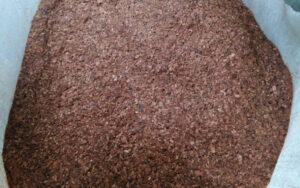
Shipment delays can disrupt supply chains and increase operational costs.
Palmadex prepares export documentation in advance and coordinates logistics efficiently. Additionally, we monitor shipment schedules and provide regular updates. As a result, deliveries remain timely and predictable.
6. How Does Palmadex Handle Bulk Orders?
Large-volume orders can increase the risk of inconsistency if not managed properly.
Palmadex organizes bulk shipments into traceable batches while maintaining uniform quality standards. Consequently, buyers receive consistent cocoa shells across large quantities.
7. How Do Buyers Benefit from Palmadex Solutions?
By addressing key export challenges proactively, Palmadex provides a reliable and efficient supply chain. Buyers benefit from consistent quality, reduced risk, and dependable delivery.
Furthermore, transparent communication and proper documentation support long-term business relationships.
Conclusion
Exporting cocoa shells requires careful management of moisture, contamination, purity, particle size, and logistics. Without proper control, these challenges can affect product quality and trade reliability.
Palmadex solves these issues through disciplined processing, structured quality control, and efficient export coordination. As a result, buyers receive high-quality Nigerian cocoa shells with consistent performance and reliable delivery.
Cocoa Shells Export Specifications (Typical)
Product: Cocoa Shells
Moisture Content: ≤ 10–12%
Foreign Matter: ≤ 1–2%
Purity: High shell content, minimal nib residue
Particle Size: As per buyer specification
Packaging: Bulk or jumbo bags (buyer specification)
Origin: Nigeria
Shelf Life: Long-term under proper dry storage
Contact Us Today
Emails: [email protected] | [email protected]
Phone/WhatsApp: +2348066579079