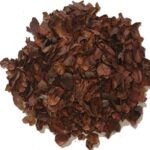
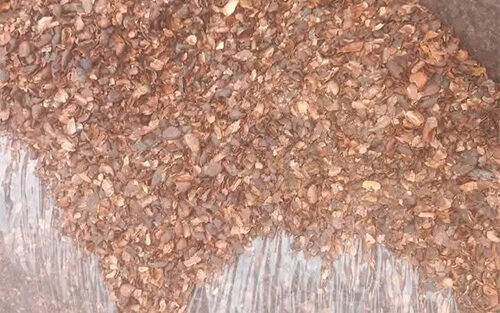
Global demand for cocoa shells continues to grow, especially in biomass energy, agriculture, and industrial processing. However, buyers often face challenges such as inconsistent quality, high moisture levels, poor traceability, and unreliable delivery timelines. Therefore, selecting a dependable supplier is essential.
Palmadex addresses these concerns through structured sourcing, strict quality control, and efficient logistics coordination. In this discussion, we explain why buyers trust Palmadex for reliable cocoa shells supply from Nigeria.
1. How Does Palmadex Ensure Reliable Sourcing?
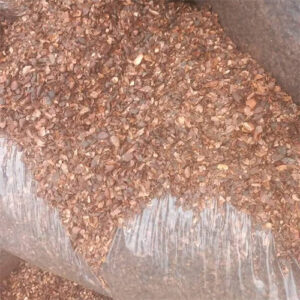
Palmadex sources cocoa shells from established cocoa processing centers across Nigeria. First, we partner with trusted processors who follow proper handling and separation practices.
Additionally, we maintain long-term supplier relationships. As a result, buyers benefit from stable supply and consistent availability.
2. How Does Palmadex Maintain Batch Traceability?
Traceability is essential for buyers who require transparency in their supply chains. Palmadex assigns batch identification to every shipment.
Furthermore, we document sourcing locations, processing details, and storage conditions. Consequently, buyers can trace each batch back to its origin with confidence.
3. How Is Quality Consistency Achieved?
Consistency is critical for industrial and biomass applications. Variations in moisture, purity, or particle size can affect performance.
Palmadex applies standardized drying, cleaning, and grading procedures. Moreover, we inspect each batch before shipment. Therefore, buyers receive consistent quality across all orders.
4. How Does Palmadex Control Moisture and Storage?
Excess moisture can lead to mold growth and reduce product efficiency.
Palmadex ensures proper drying before storage. In addition, we store cocoa shells in clean, ventilated environments to prevent moisture buildup. As a result, the product remains stable and suitable for long-term use.
5. How Does Palmadex Handle Export Compliance?
Export compliance is essential for smooth international trade. Palmadex prepares all required documentation, including phytosanitary certificates, fumigation reports, and certificates of origin.
By managing documentation efficiently, we help buyers avoid customs delays and regulatory complications.
6. How Are Logistics and Shipments Managed?
Palmadex coordinates container booking, packaging, and shipment schedules carefully. We also monitor cargo movement from origin to destination.
Additionally, buyers receive regular shipment updates. Consequently, logistics remain transparent and reliable.
7. How Does Palmadex Build Long-Term Buyer Trust?
Trust is built through consistent performance and clear communication. Palmadex maintains close communication with buyers throughout the transaction process.
Furthermore, our commitment to quality, traceability, and efficient logistics encourages repeat business. Therefore, buyers develop long-term partnerships with confidence.
Conclusion
Reliable cocoa shells supply depends on consistent sourcing, proper processing, and efficient logistics. Palmadex integrates these elements to deliver high-quality Nigerian cocoa shells to global buyers.
By ensuring traceability, quality consistency, export compliance, and dependable delivery, Palmadex continues to earn buyer trust in international markets.
Cocoa Shells Export Specifications (Typical)
Product: Cocoa Shells
Moisture Content: ≤ 10–12%
Foreign Matter: ≤ 1–2%
Purity: High shell content, minimal nib residue
Particle Size: As per buyer specification
Packaging: Bulk or jumbo bags (buyer specification)
Origin: Nigeria
Shelf Life: Long-term under proper dry storage
Contact Us Today
Emails: [email protected] | [email protected]
Phone/WhatsApp: +2348066579079