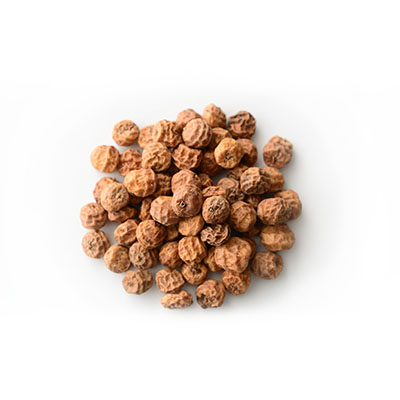

Importing tiger nuts from Nigeria can be highly profitable for food processors, beverage manufacturers, and health-focused brands when handled correctly. However, first-time and repeat buyers often face challenges related to unclear specifications, inconsistent quality, documentation gaps, and shipment delays. Palmadex simplifies the entire buying process by applying a structured export framework that guides buyers from initial inquiry to final container delivery. This importer’s playbook outlines the ten essential steps involved in purchasing export-grade tiger nuts from Nigeria through Palmadex, helping buyers reduce risk, maintain quality consistency, and ensure smooth international trade execution.
The 10-Step Palmadex Tiger Nut Buying Process
Step 1: Buyer Inquiry and Product Requirements
The process begins with a buyer inquiry outlining intended use, target market, quantity, and delivery destination. Palmadex reviews buyer needs to align supply capabilities with specifications.
Step 2: Specification Confirmation
Palmdex confirms product specifications including moisture content, size grading, cleanliness levels, and packaging format. These specifications form the basis for quality assurance and contracting.
Step 3: Pricing and Commercial Terms
Pricing is issued based on volume, grade, packaging, and delivery terms. Commercial elements such as Incoterms, payment structure, and lead times are agreed before moving forward.
Step 4: Sampling and Evaluation
Samples are prepared and dispatched to the buyer for laboratory testing and application trials. Feedback is incorporated before bulk processing begins.
Step 5: Contract Finalization
Once samples are approved, Palmadex issues a formal sales contract outlining product specifications, quantity, pricing, delivery terms, and timelines.
Step 6: Bulk Sourcing and Processing
Tiger nuts are aggregated from approved sources and processed according to agreed standards, including cleaning, drying, grading, and packaging.
Step 7: Quality Control and Inspection
Pre-shipment inspections verify moisture levels, impurity limits, packaging integrity, and labeling accuracy before export approval.
Step 8: Documentation Preparation
Palmadex prepares all required export documents, including phytosanitary certificates, fumigation records, certificates of origin, and inspection reports.
Step 9: Container Booking and Loading
Containers are booked in line with shipping schedules. Loading is supervised to ensure proper weight distribution, moisture protection, and cargo safety.
Step 10: Shipment Tracking and Buyer Support
After dispatch, Palmadex provides shipment tracking updates and supports buyers through destination clearance and post-delivery coordination.
Conclusion
Successful tiger nut imports depend on structured planning, clear specifications, and disciplined export execution. Palmadex’s ten-step buying process provides buyers with transparency, quality consistency, and logistical reliability from inquiry to final delivery. By integrating quality control, documentation readiness, and shipment coordination into a single workflow, Palmadex reduces risk and simplifies tiger nut sourcing from Nigeria. For buyers seeking a dependable long-term supply partner, this playbook offers a proven framework for smooth and compliant tiger nut imports.
Tiger Nut Export Specifications (Typical)

Product: Dried Tiger Nuts
Moisture Content: ≤ 10–12%
Foreign Matter: ≤ 1%
Packaging: PP bags or jute bags (customizable)
Origin: Nigeria
Shelf Life: Up to 12 months under proper storage
Contact Us Today
For export inquiries, specifications, or sampling requests:
Emails: [email protected] | [email protected]
Phone/WhatsApp: +2348066579079
Palmadex — simplifying tiger nut imports from Nigeria through structured export expertise.