
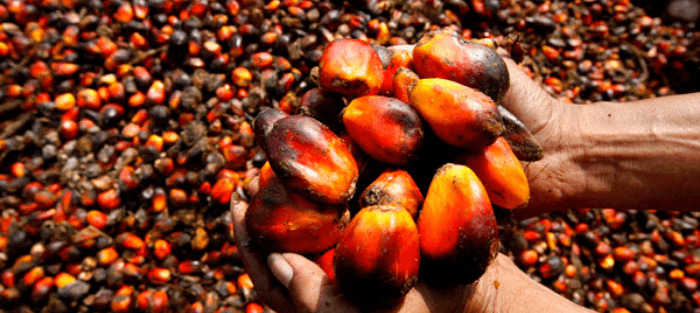
Nigeria remains one of Africa’s largest producers of palm oil, supplying international markets with crude palm oil (CPO), technical palm oil (TPO), and special-grade industrial oil. However, global buyers often struggle with quality variations, supply inconsistencies, and logistical setbacks. These challenges can complicate procurement, delay shipments, and impact production timelines.
Palmadex eliminates these risks by combining structured sourcing, strict product testing, export-grade handling, and efficient logistics execution. This article examines the most common problems buyers face when sourcing Nigerian palm oil—and outlines how Palmadex resolves each one.
1. Adulteration Risks and Quality Inconsistency
One of the biggest concerns among international buyers is the prevalence of adulterated or diluted palm oil in informal Nigerian markets. Unscrupulous suppliers may mix lower-grade oils, add artificial colouring, or dilute palm oil to increase profit margins. This results in off-spec shipments, rancidity issues, and non-compliance with import regulations.
How Palmadex solves this:
We source exclusively from certified mills and structured estates.
Every batch is tested for FFA levels, moisture, impurity content, and colour.
Only export-grade palm oil that meets buyer specifications is accepted.
Photos, videos, and live loading reports are shared for transparency.
Palmadex guarantees authentic, high-quality palm oil suitable for food, cosmetics, or industrial use.
2. Moisture Fluctuation and Rancidity Formation
Improper handling during processing or storage can increase moisture content in palm oil, causing rapid rancidity and microbiological degradation. High moisture levels lead to off-flavours, shorter shelf life, and non-compliance with international quality standards.
How Palmadex prevents this:
We use moisture-controlled storage tanks.
Oil is re-tested before processing and before loading.
Transport containers are cleaned and dried before filling.
Only batches with approved moisture levels are packed for shipment.
Buyers receive palm oil with stable quality parameters throughout transit.
3. Contamination and Poor Handling Practices
Contamination may occur from dirty drums, unwashed tanks, exposure to dust, or poor hygiene practices during loading. This is a common problem when buying from unregulated suppliers.
Palmadex’s prevention procedures include:
Use of hygienic drums or flexi-tanks sourced from approved manufacturers.
Tank and drum sterilisation prior to filling.
Sealed packaging to prevent dirt, water, or chemical exposure.
Use of food-grade hoses for edible-grade oil.
This ensures that every shipment is clean, compliant, and safe for international buyers.
4. Documentation Delays and Export Processing Bottlenecks
Palm oil export requires several compliance documents such as:
Certificate of origin
Commercial invoice
Export permit
Inspection reports
SGS or independent lab analysis
NAFDAC or relevant regulatory approvals
Any delay in these documents can postpone vessel departure.
Palmadex’s solution:
We prepare documents ahead of shipping schedules.
All regulatory submissions are done early.
We work with licensed inspection agencies for fast reporting.
Our documentation team monitors the shipping line deadlines to prevent delays.
This ensures a seamless export process with accurate and timely paperwork.
5. Logistics Delays and Unstable Shipping Schedules
Container shortages, port congestion, and poor coordination can significantly delay deliveries. Palm oil buyers often face uncertainties when working with inexperienced exporters.
Palmadex’s logistics management includes:
Pre-booking of containers to secure space early.
Weekly communication with shipping lines for updates.
Real-time cargo tracking from warehouse to port.
Live loading videos and photos for accountability.
A dedicated logistics coordinator assigned to every buyer.
This ensures that shipments depart on schedule and arrive as planned.
6. Supply Shortages and Inconsistent Availability
Palm oil supply fluctuates across Nigeria due to seasonal variations and local mill shutdowns.
Palmadex’s supply assurance strategy:
We maintain multiple estate and mill partnerships across different states.
We reserve production lots for contracted buyers.
Buyers receive early-season production forecasts.
This guarantees consistent availability even during high-demand periods.
Conclusion
Importing palm oil from Nigeria can be complex, but Palmadex simplifies the entire process through structured sourcing, strict quality controls, and dependable logistics execution. Every challenge—from adulteration to shipping delays—is addressed with transparent procedures and export-grade standards designed to protect buyers’ interests.
With Palmadex, importers receive reliable supply, consistent product quality, and professionally managed shipments every time.
To place an order or request pricing for Nigerian palm oil (CPO, TPO, or customised grades), contact Palmadex:
Emails: [email protected] | [email protected]
Phone/WhatsApp: +2348066579079