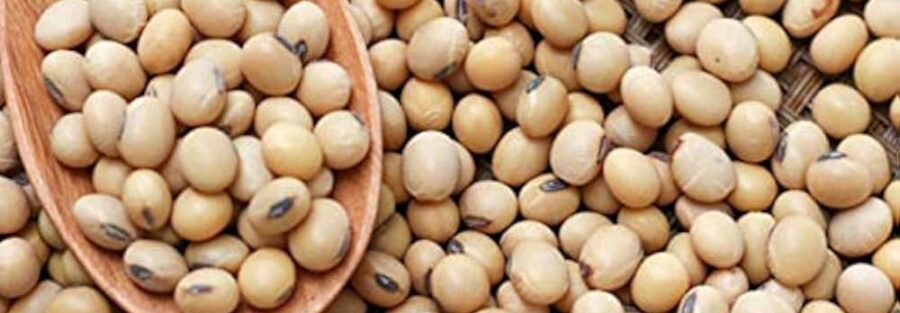
For international buyers, sourcing Nigerian soya beans is an opportunity to access one of West Africa’s most in-demand agricultural exports. But product quality and consistency are everything. At Palmadex, our mission is to ensure every metric ton of soya beans shipped meets the strictest international standards. In this Q&A, Palmadex’s export operations team explains how sourcing, grading, and testing processes combine to deliver premium-quality Nigerian soya beans to global markets.
Q: What makes Nigerian soya beans attractive to international buyers?
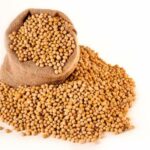
A: Nigerian soya beans are prized for their high protein content (typically 38–42%) and strong oil yield. They’re a preferred raw material for animal feed, edible oil extraction, and food processing industries across Asia, Europe, and the Middle East.
Q: How does Palmadex source its soya beans?
A: Palmadex sources directly from organized farmer cooperatives in Benue, Kaduna, Niger, and Kano states — Nigeria’s major soya-growing regions. We prioritize freshly harvested produce, ensuring farmers follow post-harvest drying standards to maintain low moisture and purity levels.
Q: What quality checks are done before export?
A: Each batch undergoes laboratory tests for moisture content, oil yield, impurity level, and protein percentage. Palmadex only exports beans that meet strict specifications — maximum 10% moisture, less than 2% impurities, and high oil recovery ratios.
Q: How does Palmadex prevent contamination during storage and handling?
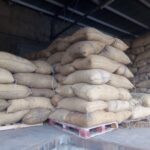
A: Soya beans are stored in clean, well-ventilated warehouses and packed in polypropylene bags. We avoid chemical contamination by using food-safe handling tools and controlling ambient humidity during storage.
Q: What grading system does Palmadex use?
A: We classify beans by size, color uniformity, and foreign matter content. Each lot is labeled, traceable, and verified against export-grade benchmarks before approval for shipment.
Q: How does Palmadex ensure timely delivery and shipment integrity?
A: Containers are fumigated, moisture-protected, and sealed under inspection supervision. Palmadex coordinates closely with shipping lines to secure vessel space early and guarantee timely port departures.
Q: Why do importers trust Palmadex as their Nigerian soya bean supplier?
A: Reliability and transparency. Palmadex provides pre-shipment photos, test results, and third-party inspection reports, ensuring buyers know exactly what they’re receiving. Our professionalism has earned repeat contracts from international importers who value consistency over chance.
Palmadex Soya Bean Trade Specifications
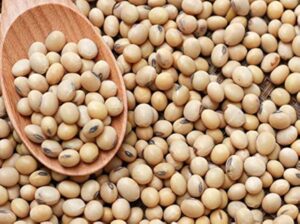
Commodity: Soya Beans (Glycine max)
Moisture Content: ≤ 10%
Oil Content: 18–20%
Protein Content: 38–42%
Impurities: ≤ 2%
Broken Grains: ≤ 3%
Packaging: 50kg or 100kg polypropylene bags
Loadability: 1 × 20ft = 18 MT; 1 × 40ft = 26–27 MT
FOB Ports: Lagos (Apapa, Tin Can), Port Harcourt
Lead Time: 21–30 days after confirmation
Minimum Order Quantity: 1 × 20ft container
Partner with Palmadex
For verified Nigerian soya bean sourcing, export documentation, or custom supply requests, contact Palmadex Export Desk:
Emails: [email protected] | [email protected]
Phone/WhatsApp: +2348066579079
Location: Lagos, Nigeria