Importing cocoa beans from West Africa can be a complex process if you’re unfamiliar with sourcing standards, documentation, or logistics. But with a structured partner like Palmadex, the journey from inquiry to shipment becomes straightforward, transparent, and efficient.
This playbook walks you through 10 essential steps every importer should follow when purchasing premium Nigerian cocoa beans through Palmadex. Each stage is designed to ensure quality assurance, compliance, and smooth delivery to your port of destination.
Step 1: Submit Your Initial Inquiry
Start by sending your inquiry via email or WhatsApp to the Palmadex Export Desk. Include details like your target volume, cocoa grade preference, destination port, and preferred trade terms (FOB or CFR). A trade officer will respond within 24–48 hours with specifications and current market pricing.
Step 2: Review Product Specifications
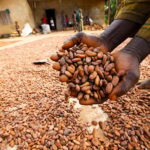
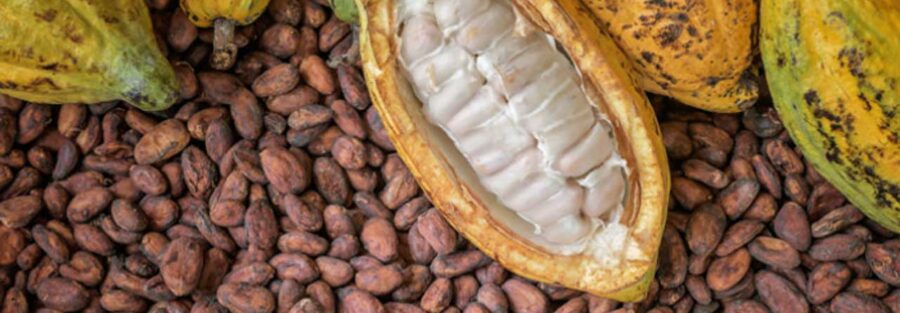
Palmadex provides a detailed cocoa specification sheet, outlining moisture content, bean count, packaging, and quality standards. Buyers can also request photos or a video walkthrough of the current batch for visual verification before sampling.
Step 3: Request a Sample Shipment (Optional but Recommended)
To confirm quality compatibility, importers can request a physical sample (typically 1–2kg). Samples are couriered via DHL or FedEx. This step builds confidence and helps align quality expectations before contract finalization.
Step 4: Negotiate and Confirm Trade Terms
Once you’re satisfied with quality and price, Palmadex will draft a Proforma Invoice (PI) outlining the agreed quantity, price, and delivery terms. Trade terms typically follow Incoterms 2020 standards. Upon confirmation, both parties proceed to contract signing.
Step 5: Execute Export Contract and Payment Arrangement
Palmadex issues a formal Sales Contract, which outlines delivery timelines, payment schedule, and documentation list. Payments can be made via Telegraphic Transfer (T/T) or Letter of Credit (L/C) depending on buyer preference and relationship level.
Step 6: Quality Control and Batch Preparation
After contract confirmation, the selected cocoa beans are cleaned, graded, and tested to maintain a moisture content below 7.5%. Each batch is approved by the Nigerian Agricultural Quarantine Service (NAQS) and other relevant agencies before packaging.
Step 7: Packaging and Container Loading
Beans are packed in 65kg jute bags, labeled with batch codes for traceability. Palmadex oversees fumigation and sealing under supervision to ensure pest-free, export-ready containers. Buyers receive loading photos and video evidence for documentation.
Step 8: Export Documentation and Shipping
Palmadex prepares all necessary documents, including:
-
Phytosanitary Certificate
-
Certificate of Origin
-
Fumigation Certificate
-
Quality/Grading Report
-
Packing List and Bill of Lading
Shipping is handled through Lagos (Apapa or Tin Can) or Port Harcourt ports with vessel tracking updates shared in real time.
Step 9: Delivery and Post-Shipment Support
Upon arrival at the destination port, buyers receive digital copies of all documents for easy customs clearance. Palmadex’s logistics desk remains available to assist with inspection coordination, transit updates, or any clarification required during clearance.
Step 10: Build a Long-Term Supply Partnership
Once the first shipment is successfully received, buyers can establish a standing order or forward contract. Palmadex values long-term relationships and offers volume-based discounts, flexible delivery scheduling, and dedicated account management for repeat buyers.
Conclusion
By following these 10 steps, importing cocoa beans from Nigeria through Palmadex becomes a structured, transparent, and rewarding process. From inquiry to delivery, every stage is optimized for efficiency and reliability — ensuring you receive premium-quality cocoa that meets international standards.
Palmadex Cocoa Export Trade Specifications
Commodity: Nigerian Cocoa Beans (Theobroma cacao)
HS Code: 1801.00
Moisture Content: ≤ 7.5%
Packaging: 65kg jute bags
Loadability: 20ft container = 12–13 MT; 40ft container = 25–26 MT
FOB Ports: Lagos (Apapa, Tin Can), Port Harcourt
Lead Time: 21–28 days after contract confirmation
Minimum Order Quantity: 1 × 20ft container
Partner with Palmadex
For trade inquiries, sample requests, or cocoa supply contracts, contact Palmadex Export Desk:
Email: [email protected], [email protected]
Phone/WhatsApp: +2348066579079
Location: Lagos, Nigeria