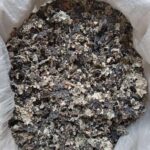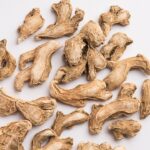
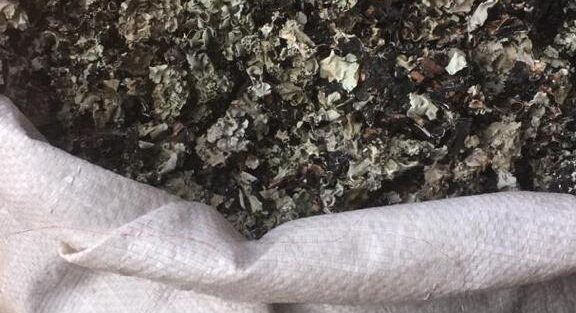
Importing stone flower (Kalpasi) from Nigeria offers global buyers access to a valuable aromatic ingredient, but success depends on careful planning, quality verification, and export compliance. Because stone flower is sensitive to moisture, contamination, and handling inconsistencies, unstructured purchasing can lead to shipment delays or quality disputes. Palmadex simplifies the buying process by applying a structured export workflow that guides buyers from initial inquiry to final container delivery. This importer’s playbook outlines the ten essential steps involved in sourcing export-grade stone flower from Nigeria through Palmadex, helping buyers reduce risk, maintain consistency, and achieve smooth international trade execution.
The 10-Step Palmadex Stone Flower Buying Process
Step 1: Buyer Inquiry and Intended Use
The process begins with a buyer inquiry detailing intended application, target market, preferred quality grade, estimated volume, and delivery destination. This information allows Palmadex to align sourcing and processing plans with buyer needs.
Step 2: Specification Confirmation
Product specifications are confirmed, including cleanliness standards, moisture limits, aroma expectations, packaging type, and labeling requirements. These specifications form the foundation for quality control and contractual agreements.
Step 3: Pricing and Commercial Terms
Palmadex issues pricing based on grade, volume, packaging, and delivery terms. Incoterms, payment structure, production timelines, and shipment schedules are agreed at this stage.
Step 4: Sampling and Buyer Evaluation
Representative samples are prepared and dispatched to the buyer for sensory evaluation and laboratory testing. Sample approval is mandatory before bulk processing begins.
Step 5: Contract Finalization
Following sample approval, a formal sales contract is issued outlining product specifications, quantity, price, delivery terms, documentation responsibilities, and timelines.
Step 6: Controlled Sourcing and Processing
Stone flower is sourced from approved collection points and processed under controlled conditions. Cleaning, drying, and sorting are performed in line with the agreed specifications.
Step 7: Quality Control and Pre-Shipment Inspection
Before shipment approval, Palmadex conducts inspections covering moisture content, cleanliness, aroma integrity, packaging condition, and labeling accuracy.
Step 8: Export Documentation Preparation
Palmadex prepares all required export documents, including phytosanitary certificates, fumigation reports, certificates of origin, and inspection documents aligned with destination requirements.
Step 9: Container Booking and Supervised Loading
Containers are booked in advance and loading is supervised to ensure proper packaging, moisture protection, cargo security, and compliance with weight limits.
Step 10: Shipment Dispatch and Buyer Support
After dispatch, Palmadex provides shipment tracking details and supports buyers through destination clearance coordination and post-delivery communication.
Conclusion
Successfully importing stone flower from Nigeria requires a disciplined, step-by-step approach that integrates quality control, documentation readiness, and logistics coordination. Palmadex’s ten-step importer’s playbook provides buyers with a clear framework for managing risk, ensuring consistency, and achieving reliable shipment outcomes. By combining structured sourcing, export compliance expertise, and proactive logistics planning, Palmadex enables global buyers to source Nigerian stone flower with confidence and long-term supply stability.
Stone Flower (Kalpasi) Export Specifications (Typical)
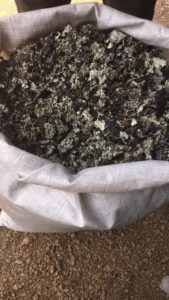
Product: Dried Stone Flower (Kalpasi)
Moisture Content: ≤ 10–12%
Foreign Matter: ≤ 1%
Aroma: Natural, strong, intact
Packaging: PP bags or cartons (customizable)
Origin: Nigeria
Shelf Life: Up to 12 months under proper storage
Contact Us Today
For export inquiries, specifications, or sampling requests:
Emails: import@palmadex.com | palmadexgis@mail.com
Phone/WhatsApp: +2348066579079