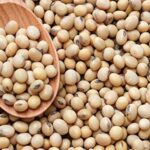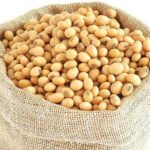
Importing soya beans from Nigeria can be profitable — but only if managed with precision, compliance, and transparency. Palmadex has perfected an export system that simplifies the process for international buyers while maintaining strict quality and documentation standards. This step-by-step playbook reveals how to partner with Palmadex, from your first inquiry to receiving your final shipment.
Step 1: Submit Your Inquiry
Start by contacting Palmadex with your target specifications, quantity, and destination port. Our export desk responds with product details, quality parameters, and an initial quotation.
Step 2: Receive Samples for Quality Confirmation
Palmadex provides verified pre-shipment samples upon request. Buyers can test the soya beans for oil, moisture, and protein content before confirming an order.
Step 3: Confirm Specification and Pricing
Once the sample is approved, both parties finalize the grade, moisture tolerance, and packaging size. A competitive and transparent price quote is issued in USD or EUR.
Step 4: Contract Signing and Proforma Invoice
Palmadex issues a Proforma Invoice and Sales Contract clearly outlining terms, incoterms (FOB or CIF), lead time, and payment schedule.
Step 5: Payment and Documentation Setup
Payment is made via agreed international methods such as TT, LC, or Escrow. The Palmadex compliance team begins documentation — including NEPC license, Form NXP, and export permits.
Step 6: Pre-Shipment Quality Inspection
Before loading, the beans undergo inspection by SGS, Cotecna, or any buyer-approved agency. Palmadex also conducts internal lab tests to ensure moisture ≤10% and impurities ≤2%.
Step 7: Packaging and Container Loading
Soya beans are packed in 50kg or 100kg polypropylene bags and loaded securely into containers. Each batch is weighed, sealed, and labeled according to international trade standards.
Step 8: Export Clearance and Shipping
Palmadex manages customs clearance and secures vessel space early. All export documents are submitted promptly to avoid port delays.
Step 9: Buyer Receives Documentation Pack
Buyers receive scanned copies of the Bill of Lading, Phytosanitary Certificate, Certificate of Origin, and Quality Report immediately after shipment.
Step 10: Delivery and After-Sale Support
Palmadex tracks each consignment until it reaches the destination port. After delivery, buyers receive prompt feedback support for documentation, reorders, or quality reviews.
Palmadex Soya Bean Trade Specifications
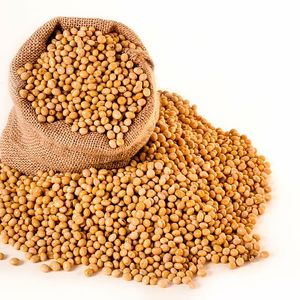
Commodity: Soya Beans (Glycine max)
Moisture Content: ≤10%
Oil Content: 18–20%
Protein Content: 38–42%
Impurities: ≤2%
Packaging: 50kg or 100kg PP bags
Loadability: 18 MT (20ft) | 26–27 MT (40ft)
Ports: Lagos (Apapa, Tin Can), Port Harcourt
Delivery Time: 21–30 days
MOQ: 1 × 20ft container
Partner with Palmadex
For verified Nigerian soya bean exports, contact Palmadex Export Desk:
Emails: import@palmadex.com | palmadexgis@mail.com
Phone/WhatsApp: +2348066579079
Location: Lagos, Nigeria