1. What are the most common hibiscus export challenges importers face?
Importers commonly encounter impurities, high moisture levels, microbial contamination, inconsistent colour quality, delayed documentation, vessel cancellations, and poor container handling. These issues can affect product safety, shelf life, and delivery timelines.
2. How does Palmadex manage impurities and ensure international purity levels?
Palmadex uses a multi-layered cleaning system:
Mechanical dust and sand removal
Density separation to eliminate stones
Magnetic extraction for metallic particles
Manual sorting for twigs, fibres, and stubborn contaminants
This process ensures 95–99 percent purity, meeting global tea and beverage-grade expectations.
3. How does Palmadex control moisture and prevent mould or spoilage?
Moisture is checked at sourcing, processing, storage, and prior to loading. Any batch above 12 percent moisture is rejected or re-dried. Ventilated storage reduces humidity, ensuring stable quality throughout the export cycle.
4. How does Palmadex reduce contamination risks during processing and storage?
Processing floors are sanitised, staff follow hygiene protocols, and bags are packed with food-grade liners. Fumigation is conducted by licensed professionals, and third-party microbial tests can be arranged when required.
Palmadex Logistics Playbook: How We Prevent Hibiscus Shipment Delays
5. Early Booking Strategy — Avoiding Vessel Space Shortages
Palmdex books shipping space early to avoid peak-season congestion. Vessel schedules are monitored weekly to prevent rollover delays.
6. Documentation Readiness — Eliminating Paperwork Bottlenecks
Key documents — phytosanitary certificate, fumigation certificate, certificate of origin, packing list, and invoice — are prepared ahead of time. Government-dependent documents are fast-tracked through accredited channels.
7. Pre-Loading Fumigation Coordination
Fumigation is scheduled based on vessel timelines to prevent certificate expiry. This protects cargo integrity and keeps documentation valid for customs.
8. Container Loading Protocols — Preventing Quality Loss
Containers are inspected, cleaned, and lined when necessary. Bags are arranged to support airflow and reduce compression damage. Every step is documented to support traceability.
9. Transit Tracking — Keeping Buyers Informed
Once the container sails, Palmadex provides continuous tracking updates, notifying buyers of any routing changes, port congestion, or ETA adjustments.
Trade Specifications — Dried Hibiscus Flower (Nigeria)
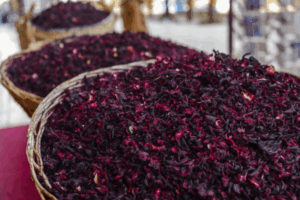
Purity: 95–99 percent
Moisture: Maximum 12 percent
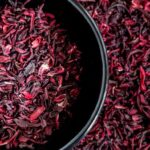
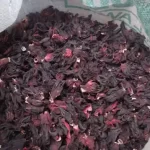
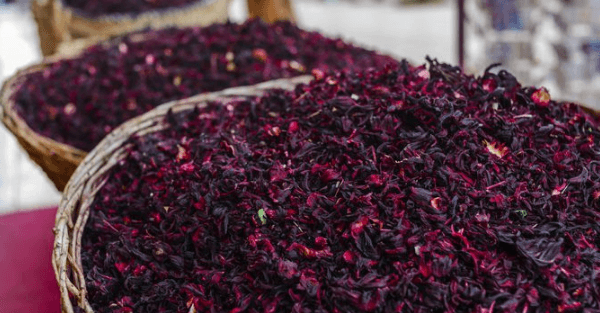
Colour: Deep wine-red
Foreign Matter: Maximum 2 percent
Packaging: 25–50 kg PP woven bags with liners
Loading Capacity: 13–14 MT per 20 ft container
Certifications: Phytosanitary, fumigation, certificate of origin, optional SGS/Intertek
Shipping Terms: FOB Lagos, CFR, CIF (on request)
Contact Palmadex
Emails: import@palmadex.com | palmadexgis@mail.com
Phone/WhatsApp: +2348066579079