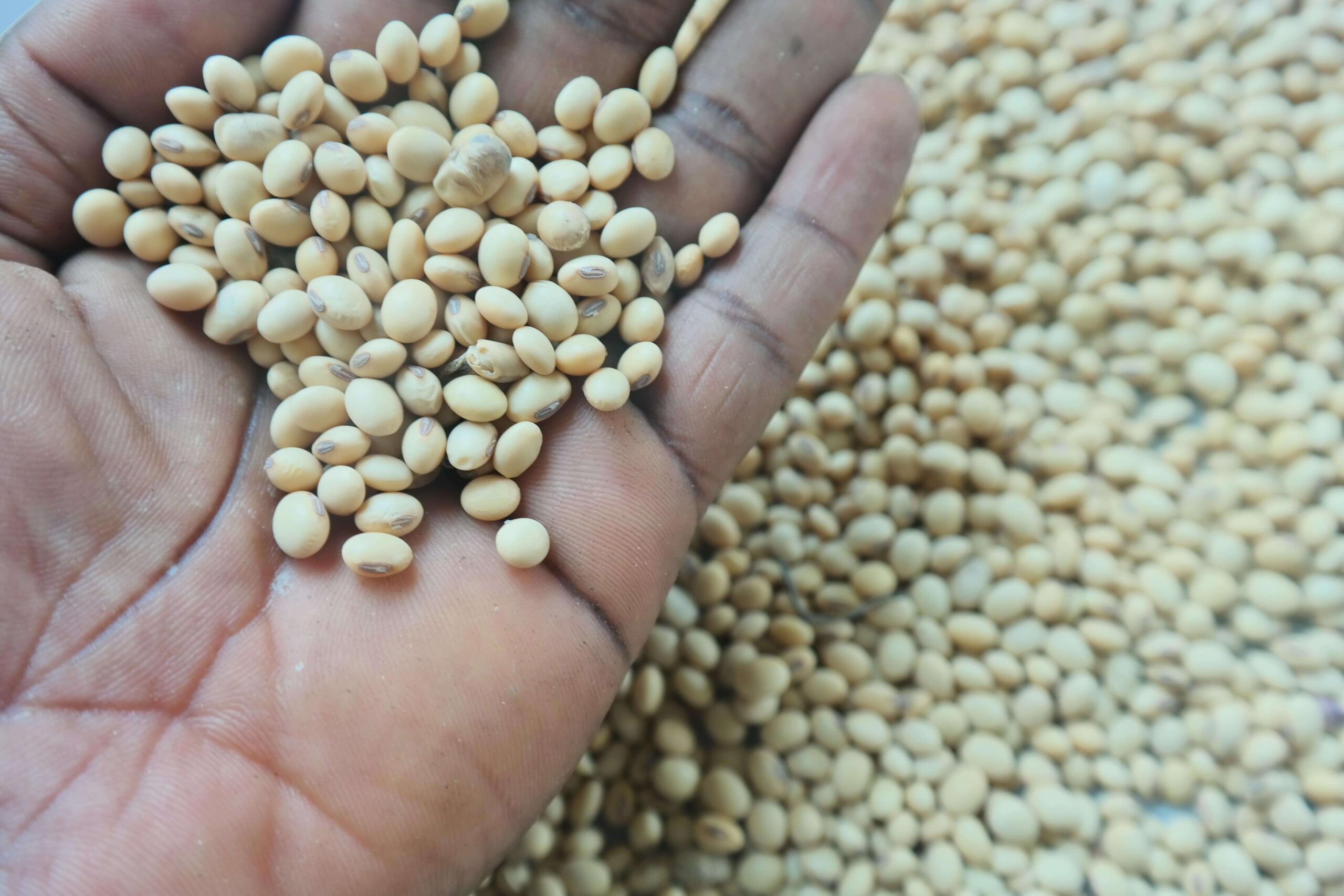
Exporting agricultural products like soya beans requires precise documentation and compliance with Nigerian and international trade regulations. Palmadex streamlines this process through a robust documentation system that guarantees every consignment meets global standards. This guide outlines the essential certificates, permits, and paperwork you need for a seamless export experience through Palmadex.
Step 1: NEPC Exporter’s License
Every export transaction begins with a valid Nigerian Export Promotion Council (NEPC) license. Palmadex maintains an active NEPC certification, ensuring all exports are legally authorized.
Step 2: Form NXP Registration
Form NXP (Nigeria Export Proceeds form) is submitted through the exporter’s commercial bank to the Central Bank of Nigeria, linking every shipment to its financial records for transparency.
Step 3: Phytosanitary Certificate
Issued by the Federal Ministry of Agriculture, this certificate confirms that the soya beans are pest-free, properly fumigated, and safe for international trade.
Step 4: Fumigation Certificate
Palmadex ensures all consignments undergo fumigation by licensed operators. This certificate confirms compliance with destination-country pest control standards.
Step 5: Certificate of Origin
Issued by the Nigerian Chamber of Commerce, this document certifies that the soya beans are sourced and processed within Nigeria, verifying authenticity for importers.
Step 6: Quality and Quantity Inspection Report
Independent inspection agencies such as SGS, Cotecna, or Bureau Veritas verify the cargo’s weight, moisture content, and impurity levels before shipment.
Step 7: Bill of Lading (B/L)
Issued by the shipping line, this critical document confirms that the goods have been loaded onto the vessel. Palmadex provides buyers with scanned copies immediately after dispatch.
Step 8: Commercial Invoice and Packing List
These documents detail product description, quantity, pricing, and packaging format, ensuring full transparency between Palmadex and the importer.
Step 9: Insurance Certificate (if CIF)
For CIF shipments, Palmadex provides an insurance certificate covering cargo risk until it arrives at the buyer’s destination port.
Step 10: Export Clearance and Customs Release
Palmadex’s logistics team completes all export declarations and obtains customs clearance to prevent delays or port penalties.
Palmadex Soya Bean Trade Specifications
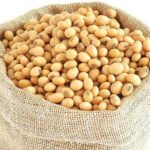
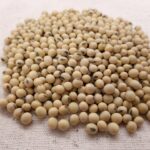
Commodity: Soya Beans (Glycine max)
Moisture Content: ≤10%
Oil Content: 18–20%
Protein Content: 38–42%
Impurities: ≤2%
Packaging: 50kg or 100kg PP bags
Loadability: 18 MT (20ft) | 26–27 MT (40ft)
Ports: Lagos (Apapa, Tin Can), Port Harcourt
Lead Time: 21–30 days
MOQ: 1 × 20ft container
Partner with Palmadex
For verified documentation and smooth soya bean export processes, contact Palmadex Export Desk:
Emails: import@palmadex.com | palmadexgis@mail.com
Phone/WhatsApp: +2348066579079
Location: Lagos, Nigeria