
Exporting agricultural commodities like sesame seeds requires strict compliance with international regulations. Each shipment must be supported by accurate, verifiable documents that satisfy both Nigerian authorities and destination-country customs. Palmadex simplifies this process through its structured documentation system, ensuring every sesame export meets all trade, quality, and safety standards. This guide outlines the essential documents required for a seamless sesame seed export process from Nigeria.
Why Documentation Matters in Sesame Exports
Proper documentation ensures smooth port clearance, regulatory compliance, and buyer confidence. Palmadex manages all paperwork in-house to avoid delays, maintain transparency, and protect both parties’ trade interests.
The Palmadex Sesame Export Documentation Checklist
1. Commercial Invoice
Details the quantity, grade, price, and total value of the sesame seed shipment. This document supports customs and payment processing.
2. Packing List
Lists packaging details, bag counts, and total weight. Palmadex issues this to verify cargo integrity during loading and customs checks.
3. Bill of Lading (B/L)
Issued by the shipping line, this serves as the official proof of shipment. Palmadex provides the original or telex release copy as per buyer agreement.
4. Certificate of Origin
Issued by the Nigerian Export Promotion Council (NEPC), it certifies that the sesame seeds were cultivated and processed in Nigeria.
5. Phytosanitary Certificate
Granted by the Federal Department of Agriculture (Plant Quarantine Service), confirming that the sesame seeds are pest-free and meet international health standards.
6. Fumigation Certificate
Issued by an approved fumigation company, confirming that the shipment was properly treated to eliminate pests and contaminants.
7. Quality and Grading Report
Prepared by Palmadex’s internal quality control team or an independent inspection agency (e.g., SGS or Bureau Veritas) verifying moisture content, purity, and oil level.
8. Export Permit
Issued by the NEPC, this document authorizes Palmadex to legally export sesame seeds under Nigerian trade regulations.
9. Certificate of Weight and Analysis
Provides official confirmation of the shipment’s weight and quality parameters, essential for import clearance at the destination port.
10. Insurance Certificate (for CIF/CFR contracts)
Covers the goods against loss or damage during sea transit, ensuring the buyer’s investment remains protected.
How Palmadex Simplifies Compliance
Palmadex integrates documentation management into its export process. All certificates are verified, scanned, and shared with buyers before vessel departure. Originals are couriered promptly to ensure customs clearance without delay. This proactive approach eliminates common bottlenecks associated with incomplete or inaccurate paperwork.
Conclusion
Sesame seed export compliance doesn’t need to be complex. With Palmadex’s complete documentation support, buyers receive verified certificates, prompt updates, and transparent communication — guaranteeing a stress-free import experience. Every shipment from Palmadex meets both Nigerian export laws and global buyer standards.
Palmadex Sesame Seed Export Trade Specifications

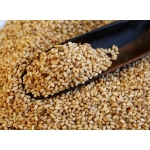
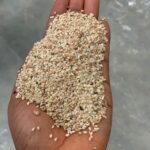
Commodity: Natural White Sesame Seeds (Sesamum indicum)
HS Code: 1207.40
Moisture Content: ≤ 7%
Purity: ≥ 99%
Oil Content: ≥ 48%
Packaging: 25kg or 50kg PP bags
Loadability: 20ft container = 19–20 MT; 40ft container = 26–27 MT
FOB Ports: Lagos (Apapa, Tin Can), Port Harcourt
Lead Time: 21–28 days after contract confirmation
Minimum Order Quantity: 1 × 20ft container
Partner with Palmadex
For export documentation support, compliance guidance, or trade inquiries, contact Palmadex Export Desk:
Emails:import@palmadex.com |palmadexgis@mail.com
Phone/WhatsApp: +2348066579079
Location: Lagos, Nigeria