Nigeria is one of Africa’s largest producers of sesame seeds, and Palmadex plays a leading role in exporting this vital crop to markets across Asia, Europe, and the Middle East. In this Q&A feature, we sit down with the Palmadex Export Desk to uncover how the company ensures top-quality sesame seeds that meet international standards — from sourcing to shipment.
Q: What makes Nigerian sesame seeds attractive to international buyers?
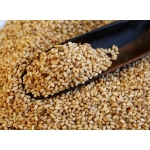
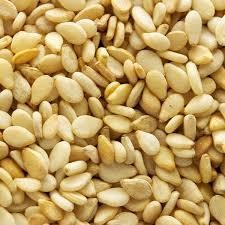
A: Nigerian sesame seeds are known for their high oil content, clean appearance, and natural white-to-golden color. They have a high yield of edible oil, making them popular among food manufacturers, oil processors, and tahini producers. Nigeria’s climate and soil also allow for two annual harvests, ensuring a steady supply for export markets.
Q: How does Palmadex source its sesame seeds?
A: We work directly with farming cooperatives in key producing states such as Benue, Jigawa, Kano, and Nasarawa. Each farmer group follows Palmadex’s standard cultivation and post-harvest handling procedures. Our field officers monitor the harvest, drying, and cleaning processes to ensure that all produce meets export quality from the start.
Q: What steps does Palmadex take to maintain quality consistency?
A: Quality begins at the source. After purchase, sesame seeds undergo cleaning and de-stoning at our processing facilities to remove impurities and foreign matter. We test for moisture content (below 7%), purity level (above 99%), and oil content. Each batch is inspected before being approved for export.
Q: What packaging and shipment options are available for international buyers?
A: Palmadex offers packaging in 50kg or 25kg polypropylene bags, depending on buyer preference. Shipments are arranged on FOB (Free on Board) or CFR (Cost and Freight) terms, with loading through Lagos (Apapa or Tin Can Island) or Port Harcourt. Each container load is accompanied by a full documentation pack for customs clearance.
Q: How does Palmadex ensure compliance and transparency?
A: Every sesame shipment includes verified export documents such as the Phytosanitary Certificate, Certificate of Origin, and Quality Report. Palmadex shares digital copies with buyers before vessel departure. We also maintain open communication through regular updates on loading schedules and vessel tracking to ensure buyers remain informed at every stage.
Q: What makes Palmadex a trusted sesame seed export partner?
A: Reliability, consistency, and integrity. Palmadex combines local sourcing expertise with international trade professionalism. We handle the entire process — from procurement to delivery — with precision, ensuring that our buyers receive top-grade sesame seeds that meet global specifications.
Conclusion
For Palmadex, sesame seed export is more than trade — it’s a commitment to quality, traceability, and long-term partnership. By working directly with farmers and ensuring strict adherence to international standards, Palmadex continues to supply premium Nigerian sesame seeds to satisfied clients worldwide.
Palmadex Sesame Seed Export Trade Specifications
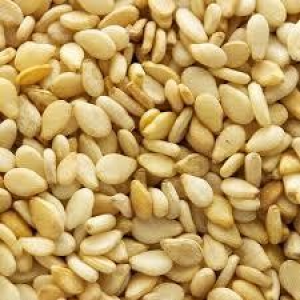
Commodity: Natural White Sesame Seeds (Sesamum indicum)
HS Code: 1207.40
Moisture Content: ≤ 7%
Purity: ≥ 99%
Oil Content: ≥ 48%
Packaging: 25kg or 50kg PP bags
Loadability: 20ft container = 19–20 MT; 40ft container = 26–27 MT
FOB Ports: Lagos (Apapa, Tin Can), Port Harcourt
Lead Time: 21–28 days after contract confirmation
Minimum Order Quantity: 1 × 20ft container
Partner with Palmadex
For inquiries, trade partnerships, or sample requests, contact Palmadex Export Desk:
Emails:import@palmadex.com |palmadexgis@mail.com
Phone/WhatsApp: +2348066579079
Location: Lagos, Nigeria