For global buyers, consistent cashew nut quality determines trust, pricing, and long-term partnership value. Palmadex has built a reputation as one of Nigeria’s most reliable raw cashew nut exporters through rigorous sourcing, grading, and traceability systems. In this Q&A, Palmadex’s export team shares insights into how the company maintains superior product standards — from farm gate to final shipment.
Q: What makes Palmadex’s cashew sourcing process unique?
A: Our sourcing model begins directly with organized farmer cooperatives across key cashew-producing states — including Kogi, Kwara, Oyo, and Enugu. By working at the origin level, Palmadex ensures that only freshly harvested and well-dried nuts enter our supply chain. We avoid middlemen and conduct in-field quality checks to guarantee consistent grades before transport.
Q: How does Palmadex verify cashew nut quality before export?
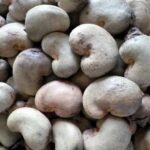
A: Each batch undergoes laboratory analysis to determine Outturn (KOR), nut count, moisture content, and defective ratio. We only export nuts with a KOR between 48–52 lbs, a nut count of 170–190/kg, and moisture levels below 10%. These tests ensure buyers receive the exact quality they ordered.
Q: What are the main challenges in maintaining cashew quality during storage and transport?
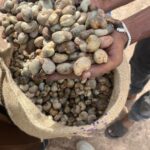
A: Moisture and temperature variations can degrade cashew quality quickly. To prevent this, Palmadex stores nuts in well-ventilated warehouses and uses moisture-resistant jute bags. Containers are fumigated and sealed under supervision to maintain freshness during sea transit.
Q: How does Palmadex ensure grading consistency across different regions?
A: All cashew lots, regardless of sourcing location, are graded according to a single export standard. Our field officers and warehouse staff are trained to apply uniform grading parameters. Each bag is tagged and traceable, allowing us to track its origin and quality data.
Q: What kind of transparency do buyers get from Palmadex?
A: Buyers receive complete documentation — including quality reports, moisture readings, and photos before shipment. For transparency, we provide digital proof of loading and third-party inspection reports when requested.
Q: Why do international importers choose Palmadex over other Nigerian exporters?
A: Reliability and traceability. Palmadex offers predictable shipment timelines, standardized grading, and professional communication throughout the export process. We treat every container as a brand statement — ensuring consistent satisfaction for repeat buyers worldwide.
Conclusion
From Nigeria’s fertile cashew belts to ports in Lagos and beyond, Palmadex maintains a strict quality assurance process that guarantees reliability, transparency, and premium-grade nuts. Through farmer partnerships, field inspections, and certified testing, Palmadex continues to set a standard of excellence in Nigeria’s raw cashew export industry.
Palmadex Raw Cashew Nut Trade Specifications
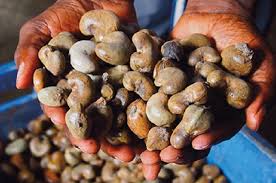
Commodity: Raw Cashew Nuts (Anacardium occidentale)
Outturn (KOR): 48–52 lbs
Moisture Content: ≤ 10%
Foreign Matter: ≤ 2%
Nut Count: 170–190 nuts per kg
Packaging: 80kg or 50kg jute bags
Loadability: 1 × 20ft container = 18–19 MT; 1 × 40ft container = 26–27 MT
FOB Ports: Lagos (Apapa, Tin Can), Port Harcourt
Lead Time: 21–30 days after contract confirmation
Minimum Order Quantity: 1 × 20ft container
Partner with Palmadex
For premium raw cashew sourcing, export partnerships, or inspection arrangements, contact Palmadex Export Desk:
Emails:import@palmadex.com |palmadexgis@mail.com
Phone/WhatsApp: +2348066579079
Location: Lagos, Nigeria