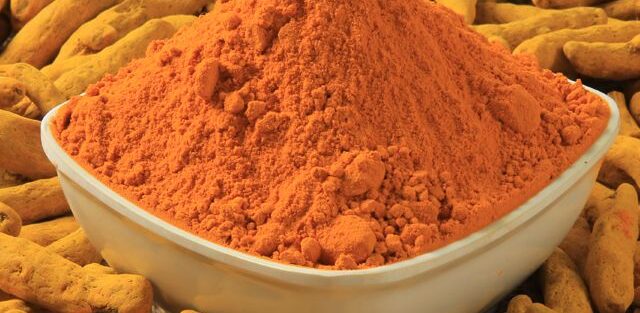
Nigerian turmeric is increasingly sought after in global spice and industrial markets due to its vibrant color, strong aroma, and competitive pricing. However, achieving export-grade turmeric quality requires disciplined control over sourcing, processing, and moisture management. Factors such as rhizome maturity, boiling practices, drying methods, and curcumin preservation directly affect product performance and buyer satisfaction. Palmadex applies a structured quality assurance system that ensures Nigerian turmeric consistently meets international buyer specifications. This Q&A explains how Palmadex maintains premium turmeric quality from farm sourcing to export shipment.
Q&A: Palmadex Turmeric Quality Assurance
1. Where does Palmadex source its turmeric in Nigeria?
Palmadex sources turmeric from Nigeria’s established turmeric-producing regions known for fertile soils and favorable growing conditions. These areas produce turmeric rhizomes with strong color intensity and acceptable curcumin levels suitable for export markets.
2. How does Palmadex assess turmeric rhizome maturity before processing?
Only mature turmeric rhizomes are selected for processing. Palmadex inspects rhizomes for firmness, color development, and absence of rot or pest damage. Proper maturity ensures higher curcumin retention and better drying performance.
3. What role does boiling play in Palmadex’s turmeric processing?
Boiling is carefully controlled to enhance color development, reduce microbial load, and prepare rhizomes for uniform drying. Palmadex applies standardized boiling practices to avoid over-processing, which could degrade curcumin content.
4. How does Palmadex manage drying to preserve quality?
Drying is conducted under controlled conditions to reduce moisture while protecting turmeric’s natural color and aroma. Palmadex ensures turmeric reaches buyer-approved moisture levels to prevent mold growth and quality degradation.
5. How is curcumin preservation maintained throughout processing?
Palmadex minimizes excessive heat exposure and prolonged drying times that can degrade curcumin. Processing parameters are designed to balance moisture reduction with preservation of active compounds valued by buyers.
6. What cleaning and inspection steps are applied before export?
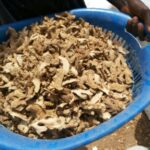
After drying, turmeric undergoes cleaning to remove dirt, stones, and foreign matter. Visual inspections confirm uniform color, dryness, and cleanliness before packaging for export.
7. How does Palmadex ensure turmeric quality during storage and shipping?
Export-grade packaging protects turmeric from moisture and handling damage. Containers are properly prepared and sealed, and shipments are tracked to ensure product integrity throughout international transit.
Conclusion
Delivering premium Nigerian turmeric to global buyers requires more than basic processing. Palmadex ensures quality through disciplined sourcing, controlled boiling, careful drying, curcumin preservation, and strict inspection standards. This structured approach allows Palmadex to deliver consistent, export-grade turmeric that meets international buyer expectations while minimizing quality and compliance risks.
Turmeric Export Specifications (Typical)
Product: Dried Turmeric Rhizomes
Moisture Content: ≤ 10–12%
Curcumin Content: Buyer-specified
Foreign Matter: ≤ 1%
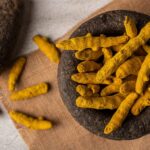
Color: Bright yellow to orange
Packaging: PP bags or cartons (customizable)
Origin: Nigeria
Shelf Life: Up to 12 months under proper storage
Contact Us Today
For premium Nigerian turmeric export inquiries:
Emails: import@palmadex.com | palmadexgis@mail.com
Phone/WhatsApp: +2348066579079